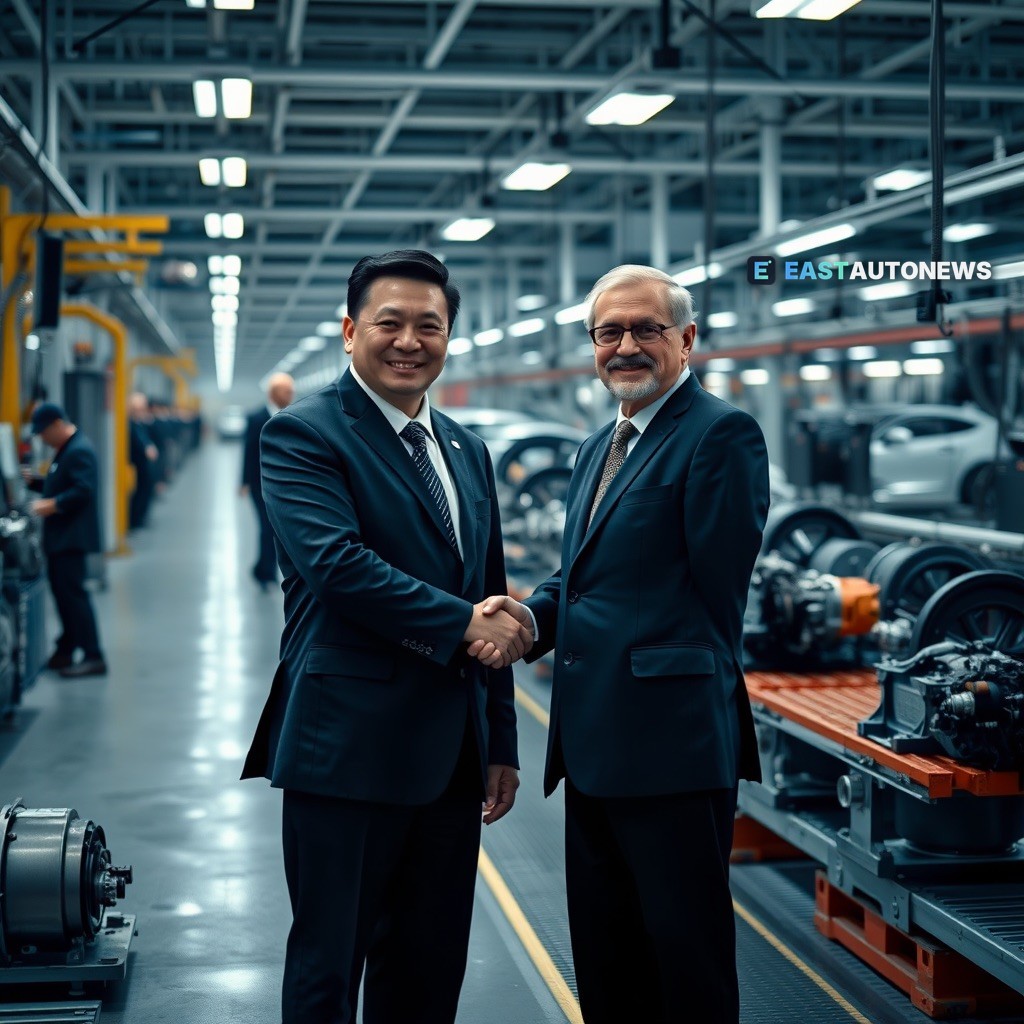
Korean auto parts makers are making a coordinated push into European supply chains, with the Czech Republic — the EU's third-largest auto producer — as their focal point. Europe Says reports that the parties discussed potential applications for Korean products, supply terms and the procedures for registering new suppliers, with particular attention to items Korean companies are equipped to supply, including automotive lighting and glass.
The timing is no coincidence. Under the EU's 'Made in Europe' plan, cars imported from Japan would not qualify for EU subsidies, while models built in France, Portugal and Eastern Europe would benefit only if enough of their parts come from Europe — the 70 percent content test that rattled suppliers when EastAutoNews last reported on it. For component makers without a European footprint, the rule amounts to an invitation to build one, and the Czech Republic's dense assembly base makes it an obvious landing point.
The policy picture is also evolving. Germany and France, after months of deadlock over the plan's potential impact on their own vehicle production, recently reached a key compromise that would allow suppliers from non-EU member states to qualify, according to DW — a notable update to the content-rule story. Even so, the 'Made in Europe' push continues to raise cost and competitiveness concerns among global suppliers, DW reports.
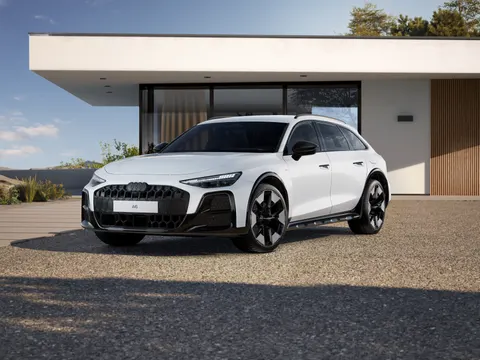
The strategic backdrop explains the urgency. Audi's move to invest $4 billion in an assembly plant in Georgia, as reported by Automotive News, signals VW Group's determination to reverse its U.S. fortunes and counter a slump in China as well as growing competition across Europe. As global OEMs redistribute production across regions, their suppliers are following — and Eastern Europe's manufacturing heft positions it to capture a share of the resulting contracts.
For the region's component industry, much now depends on execution. Korean entrants are targeting lighting and glass — core components for any assembly plant — and their success in registering as approved suppliers will test how open European supply chains remain in practice. How strictly the content thresholds are applied to models built in France, Portugal and Eastern Europe will go a long way toward deciding which suppliers win the next wave of contracts.
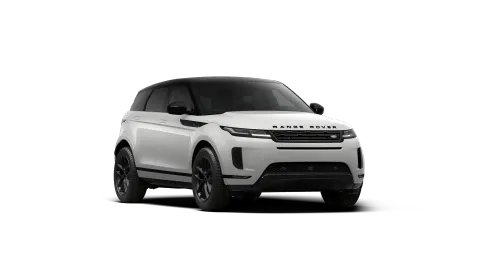
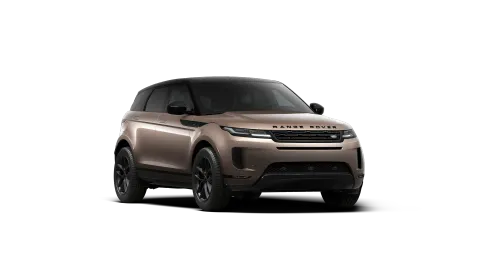
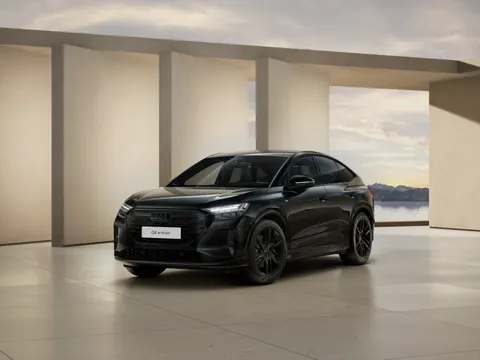
For dealers and buyers, the content rules are set to make a model's production footprint increasingly relevant to its value and subsidy eligibility — one more reason to compare offers carefully before committing. Readers looking for a vehicle can find sensational cars at sensational conditions at WorldTrader24, Europe's marketplace with over 70,000 vehicles, where a targeted search quickly narrows the field.