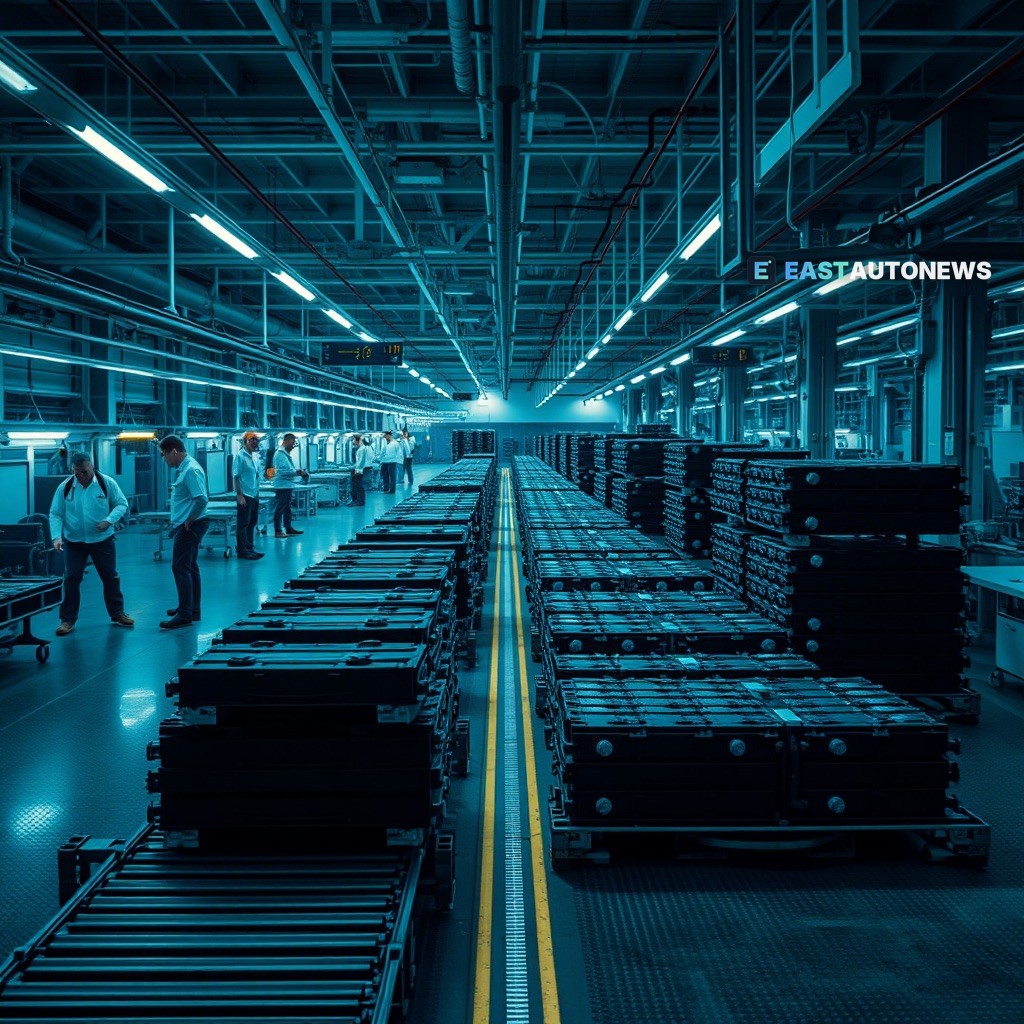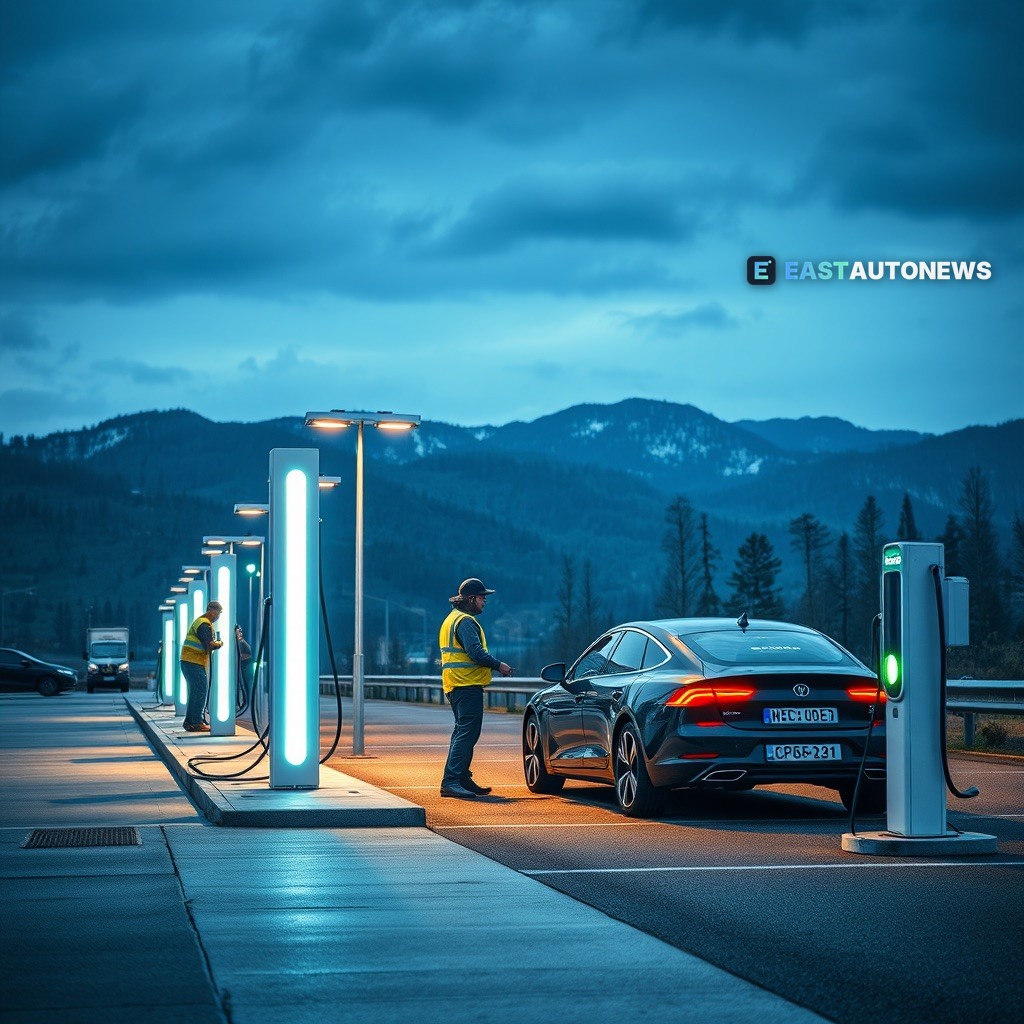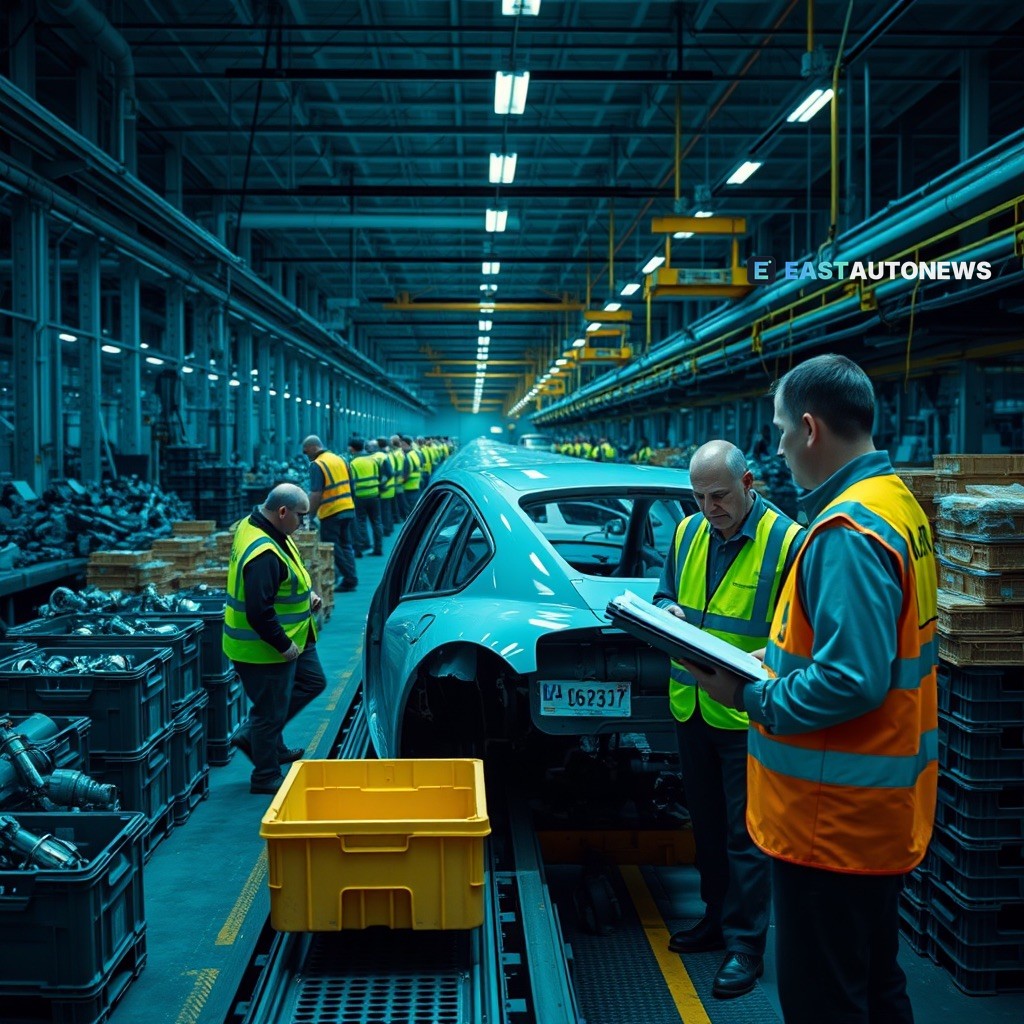
Brussels' push to tie automotive subsidies to European-made parts is sending shockwaves through the global supplier base. Under the emerging framework — referred to in reports as the IAA — 70% of the total value of a vehicle's components, excluding the battery, would have to be made in Europe for a model to qualify for EU subsidies, according to DW and other outlets. For an industry built on cross-border just-in-time networks, that threshold amounts to a fundamental rewrite of the sourcing rulebook.
The regional stakes are high. Cars imported from Japan would not qualify for EU subsidies at all, while models built in France, Portugal and Eastern Europe would benefit only if enough of their parts come from Europe. For Central and Eastern European plants, the rule cuts both ways: local parts makers stand to win new sourcing business, but manufacturers whose bill of materials leans on non-EU components face pressure to rework their supply chains or risk losing access to support.
The breakthrough came after months of deadlock between Berlin and Paris. Germany and France, long at odds over the IAA's potential impact on their own vehicle production, recently reached a key compromise that would allow suppliers from non-EU members to take part — a concession designed to ease global suppliers' concerns over rising costs and competitiveness, DW reports.
Outside the bloc, the loudest alarms are coming from countries with the most to lose. Turkey's auto exporters association has been among the most vocal critics, with the country's vehicle exports worth €26.8 billion last year, according to the reports. For Turkish suppliers and assemblers, the concern is that a 70% European content bar effectively locks them out of subsidy-eligible vehicle programs.
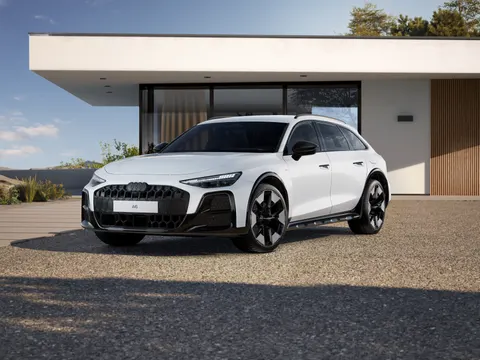
The content debate is unfolding against a broader realignment of manufacturing footprints. Audi's move to invest $4 billion in a Georgia assembly plant signals VW Group is determined to reverse its U.S. fortunes, countering a slump in China and growing competition across Europe, Automotive News reports. For suppliers on both sides of the Atlantic, the message is consistent: localization is fast becoming the price of admission to major markets.
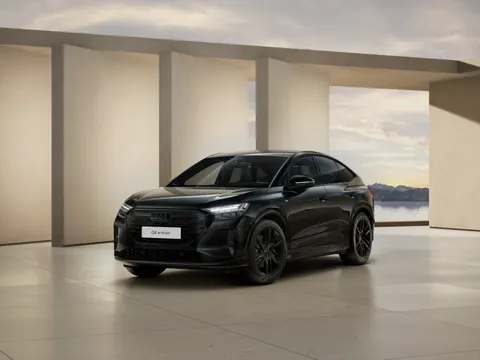
For dealers and buyers, the practical effect of the coming content rules will be felt in showrooms, as models that meet the European parts test could carry a pricing edge once the framework is finalized. Until then, comparing offers across the continent remains the smart play — readers looking for a vehicle can find sensational cars at sensational conditions at WorldTrader24, Europe's marketplace with over 70,000 vehicles.
WorldTrader24 B2B vehicle market for dealers and suppliers →