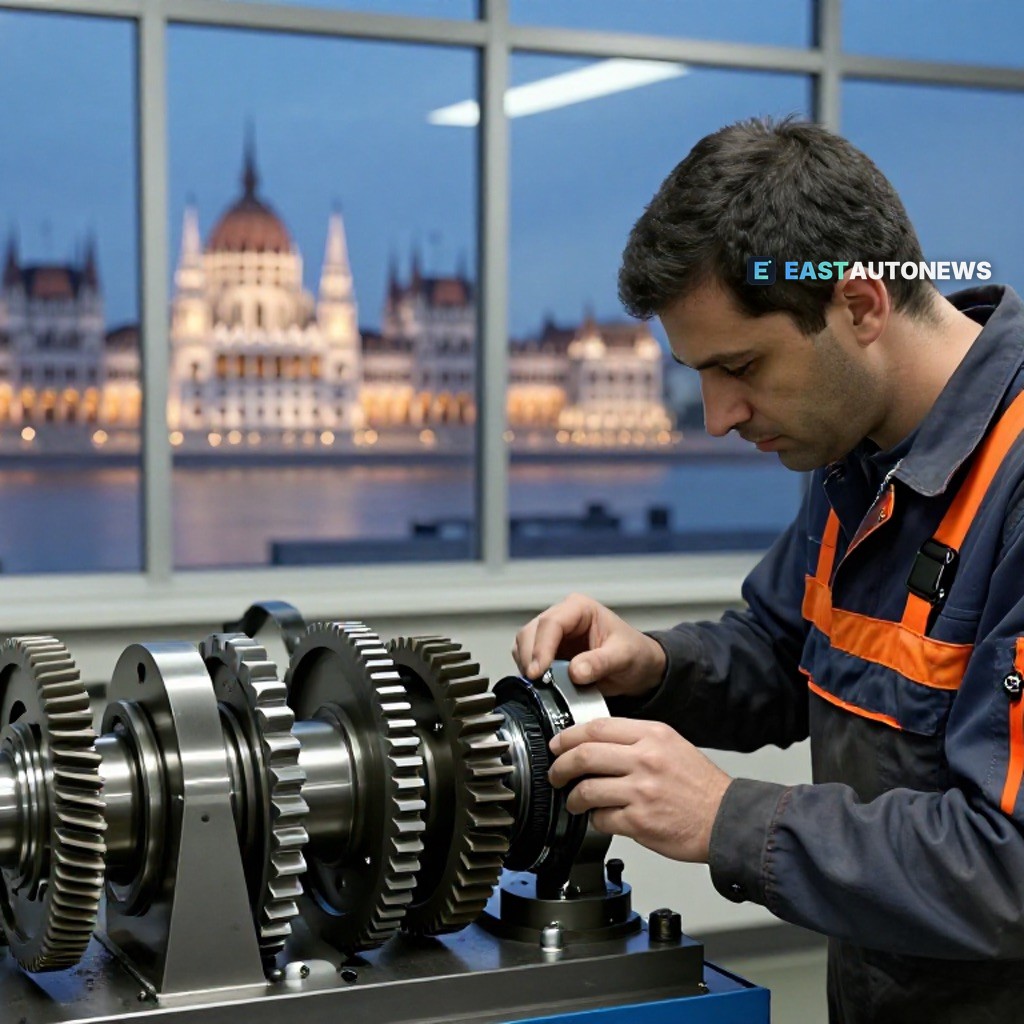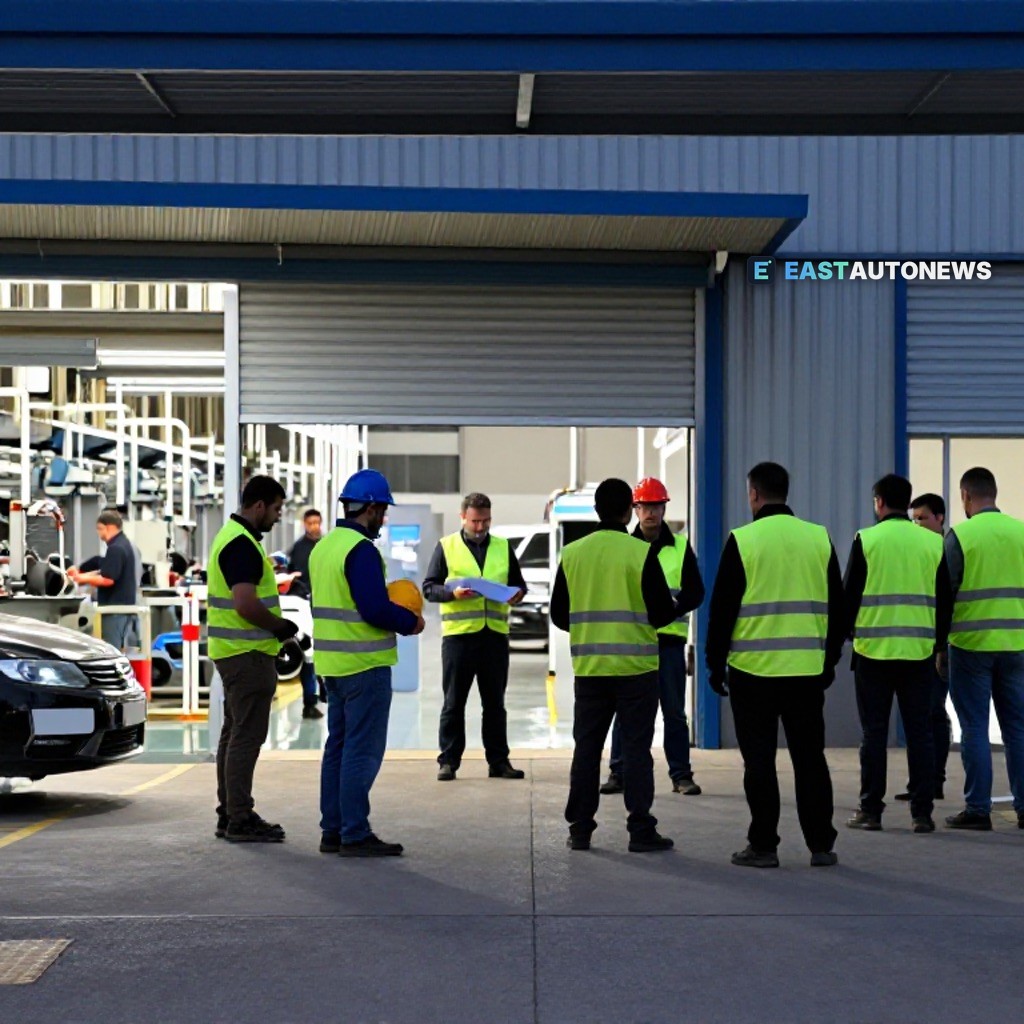
The pink slips are going out by the thousand at one of Central Europe's most entrenched suppliers. Schaeffler, the German automotive giant that operates factories in Szombathely and Debrecen and, by earlier counts, employed nearly 5,000 people across Hungary, is laying off several thousand of its workers, Portfolio.hu reported this week. For a country whose industrial identity is welded to the car business, the news lands hard.
The Hungarian stakes are difficult to overstate. Automotive manufacturing, electronics and machinery have connected Hungarian factories with customers and suppliers across the continent, weaving companies like Schaeffler into the fabric of the national economy. What remains open is how deeply the group-wide cuts will reach into Szombathely and Debrecen — two production sites that anchor the supplier's Hungarian presence — but redundancies on this scale rarely stop at any single border.
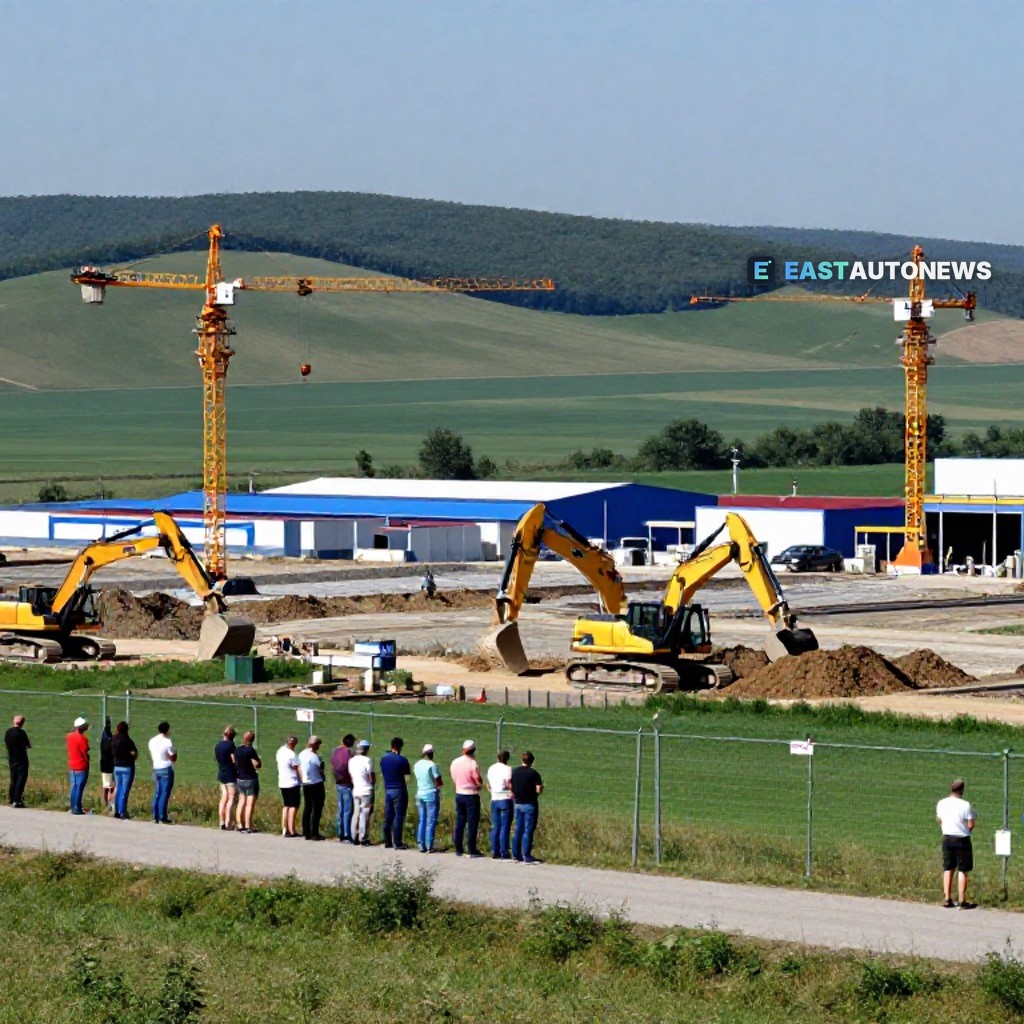
The irony is that the cuts come just as Central and Eastern Europe is gaining ground in Europe's supply-chain landscape. A recent consultancy analysis flags the region's strengths in automotive and EV supply chains and advanced manufacturing — precisely the segments Hungary has bet its industrial future on. Yet the same week's supply-chain risk reporting shows how brittle that position can be: German media report that environmental certification and wastewater issues have delayed CATL's new Hungarian battery plant, forcing shipments from China instead, while a wire-harness supply disruption and stubborn chip costs stalled output elsewhere in the industry.
Behind the plant-level noise sits a policy shift. Since April's election, Hungary has ended the exemptions that built its battery hub: Semcorp is shut, Dongwha has lost its permit, and CATL has moved into trial production — even as Brussels pushes for more local plants. For suppliers, the message is double-edged: localisation remains Europe's guiding star, but the sweeteners that once came with it are disappearing.
Taken together, the Schaeffler cuts sketch the new normal for Hungary's supplier economy: a region winning share in Europe's supply chains even as its anchor investors tighten headcount and rethink incentives. For procurement chiefs and plant managers from Debrecen to Szombathely, the coming months will show whether Central Europe's rise is sturdy enough to absorb the shock.
Supply-chain turbulence has a way of reaching the showroom — through waiting times, equipment shortages and price drift — which makes shopping smart more valuable than ever. Readers looking for a vehicle can find sensational cars at sensational conditions at WorldTrader24, Europe's marketplace with over 70,000 vehicles.