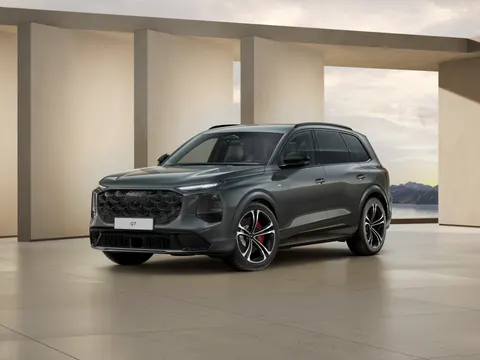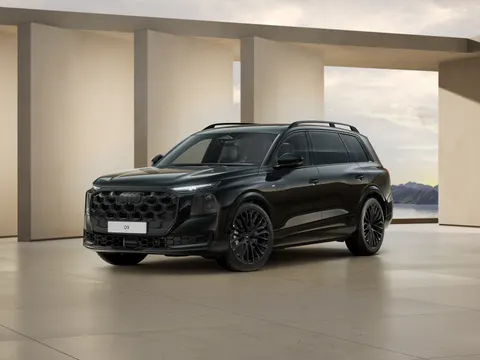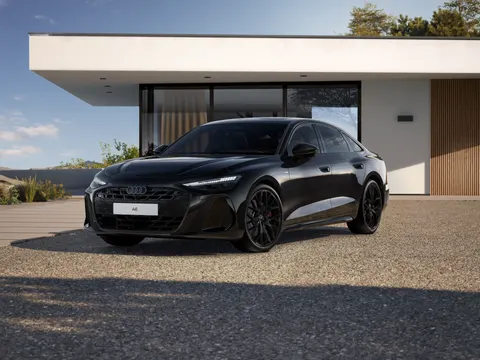
Renault's chief executive has delivered one of the starkest warnings yet about the future of European carmaking, declaring that "the European automotive industry is going to die" unless Brussels finds an effective answer to Chinese competition. In remarks reported on 5 November, the Renault boss said the growth of the Chinese groups is a reality that can no longer be ignored, and called on the EU for a response that helps the industry weather the storm.
The numbers behind the alarm are blunt. Renault warns that European car production will fall to half after 2030 unless Brussels acts, and is urging the EU to require Chinese brands to manufacture locally as a condition for selling in Europe. The demand piles further pressure on policymakers, who earlier brokered a deal that has already reshaped Chinese car flows into the bloc.
The warning lands as the EU's emissions policy shifts in the industry's favour. This week, the European Parliament's environment committee voted to relax CO2 rules for passenger cars and light commercial vehicles, with a majority backing the move as internally agreed by the so-called 'centre platform' in October. The vote advances a wider easing of the 2035 emissions framework, which car makers have pushed for to allow more ICE car sales after 2035 as they struggle to lower the cost of EV batteries.
Relief is also arriving through simplification. In December 2025, the European Commission presented a proposal for a regulation to simplify technical requirements and testing procedures for motor vehicles, part of its wider automotive package. Taken together with the CO2 relaxation, the direction of travel in Brussels is unmistakable: regulators are prioritising cost relief and competitiveness for a sector under strain.
The juxtaposition is nonetheless striking. Just as car makers win breathing space on decarbonisation, one of Europe's largest manufacturers is demanding a harder trade line on China, including local-production requirements that would reshape investment decisions across the continent — with direct stakes for manufacturing regions in Central and Eastern Europe. How Brussels balances competitiveness, decarbonisation and trade policy in the months ahead will define the next phase of the European car market.
For buyers and dealers, these policy shifts are anything but abstract: looser CO2 rules and mounting competition between European and Chinese brands are already reshaping choice and pricing on the forecourt. Anyone looking for a vehicle — from combustion models whose sales horizon has just been extended to the latest electrified arrivals — can find sensational cars at sensational conditions at WorldTrader24, Europe's marketplace with more than 70,000 vehicles.