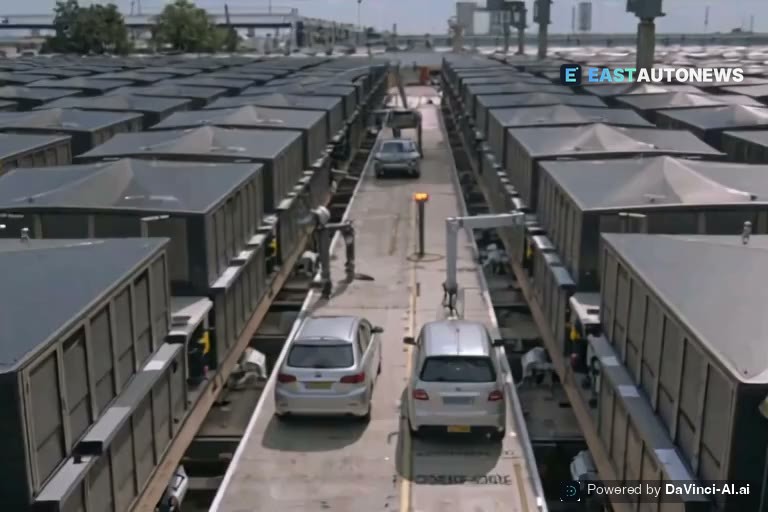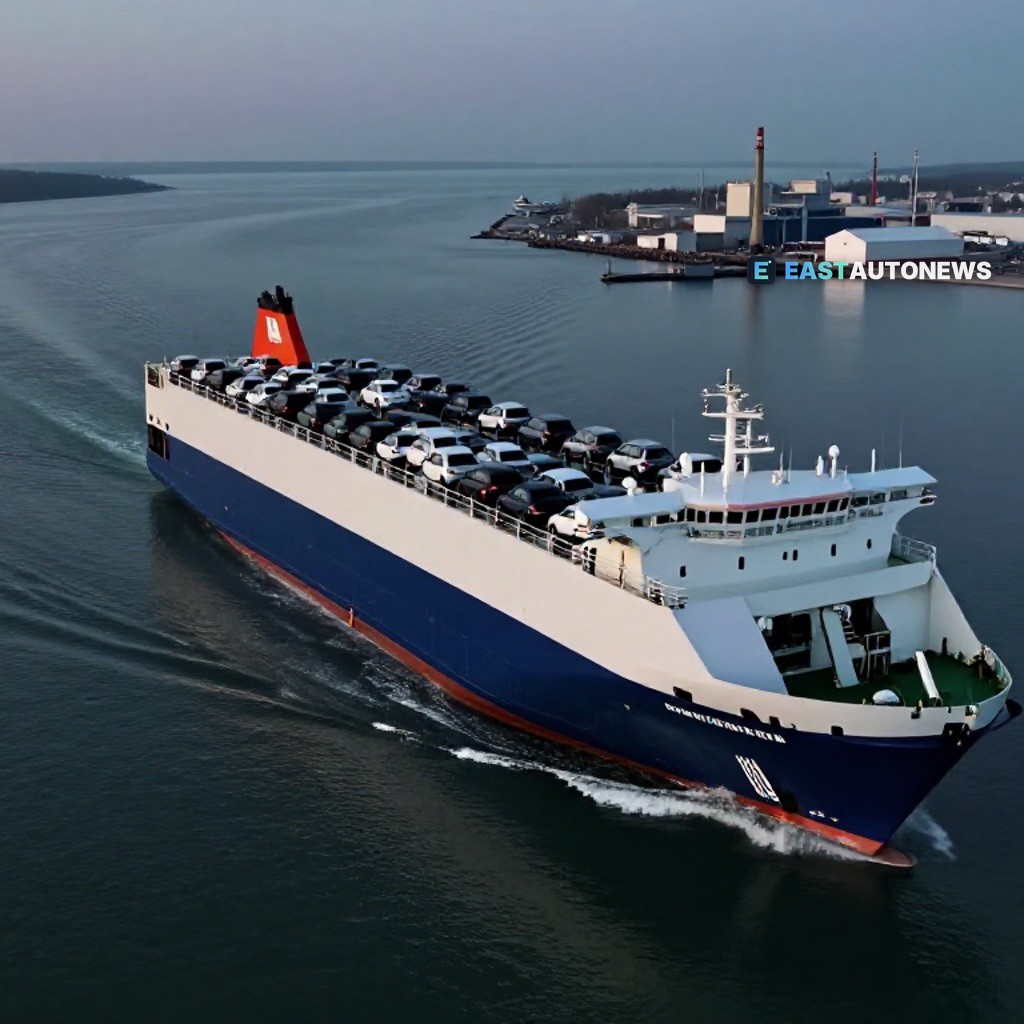
Porsche Holding Salzburg (PHS) is using 2026 to translate the scale gains of 2025 into a targeted Central and Eastern Europe (CEE) play: preserve wholesale growth, slim and professionalise retail footprints, and push financial and digital services deeper into CEE markets. The company stresses e‑mobility and software as core investment themes while keeping wholesale responsibilities central to its expansion plans.
How PHS grew in 2025–26
PHS closed the 2025 automotive year with record results it says underpin its 2026 strategy: revenue rose to €40.7 billion and total deliveries (new and used) exceeded 1.1 million vehicles — figures the group published on 13 April 2026. The jump was driven materially by the transfer of wholesale/importer responsibilities for new markets (Italy and Sweden), which pushed wholesale revenue to about €24.6 billion. Global dealership sites were reduced to 487 (down 11) as part of network consolidation. PHS says it will use that momentum to “continue to drive profitable growth in Europe” in 2026, with e‑mobility and digitalisation flagged as priorities.
Where it is investing across CEE
PHS retains an extensive footprint across CEE — including operations in Hungary, Slovakia, Slovenia, Croatia, Romania, the Czech Republic, Poland and others — and explicitly aligns Porsche Bank and Porsche Informatik to support those markets. Porsche Bank’s reshuffle in early 2025 (a share‑swap and reallocation of group finance entities completed on 3 February 2025) strengthened the bank’s CEE platform and brought additional local finance operations under Porsche Bank’s control — a move PHS presents as creating a simpler structure and stronger focus on core European markets. Porsche Bank had more than 1.7 million contracts in its portfolio and reported total assets of about €11 billion for 2025, giving the group financing firepower for CEE retail and fleet customers.
On the retail side PHS continues selective consolidation and upgrades rather than blanket expansion: the company reduced total dealer count in 2025 while concentrating on higher‑performance outlets and after‑sales capabilities. That approach is echoed by local Porsche Inter Auto operations in several CEE countries, which continue recruiting and opening targeted retail or importer posts (job and local‑operations postings in 2026 show ongoing local investment in market teams and importer functions). PHS also highlights Porsche Informatik’s role — more than 900 staff across multiple sites — as a supplier of dealer systems and digital services used across the group’s CEE network.
What this means for the market
For CEE markets the PHS plan is incremental but material: stronger wholesale scale brings negotiating power with OEMs and logistics partners, while a concentrated dealer network raises the bar for after‑sales and used‑car flows. The bolstered Porsche Bank footprint means finance‑led offers and fleet deals are likely to become more widely available locally, supporting sales where subsidies or affordability pressure limits pure cash purchases. At the same time, PHS’s digital‑and‑IT push signals faster adoption of common dealer systems and used‑car remarketing platforms across CEE — a development that will advantage larger dealer groups and challenge smaller independent retailers.
Porsche models available now on WorldTrader24 →
Sources: Porsche Holding Salzburg newsroom, Porsche Bank (Porsche Bank Group sustainability/annual materials), Porsche Inter Auto (local operations).