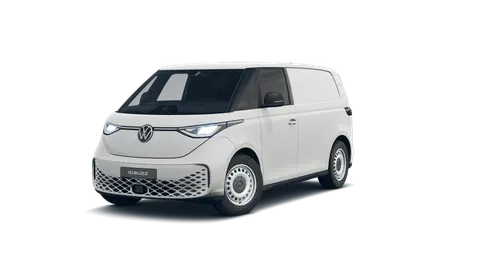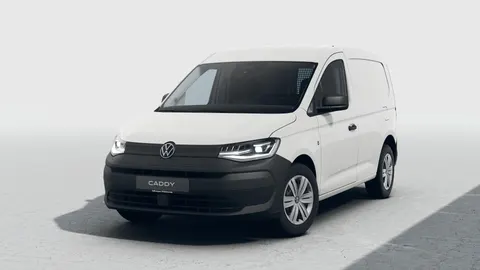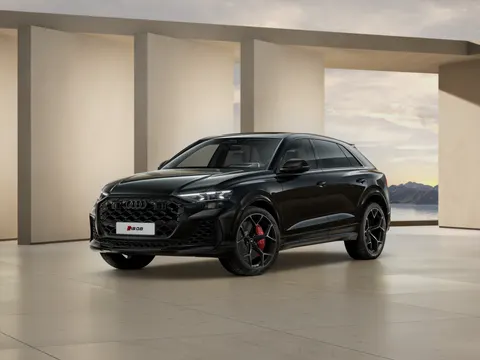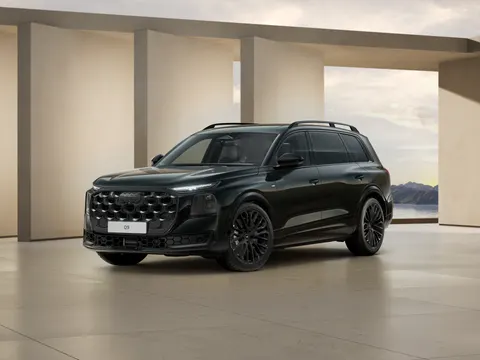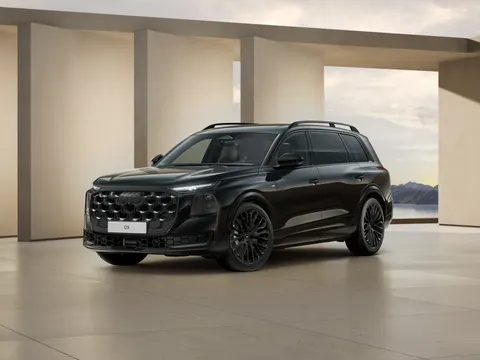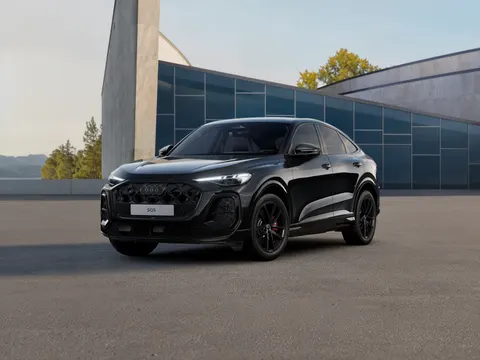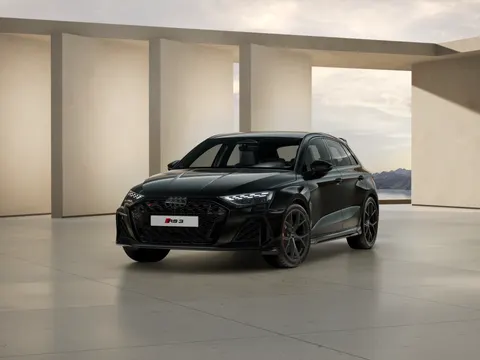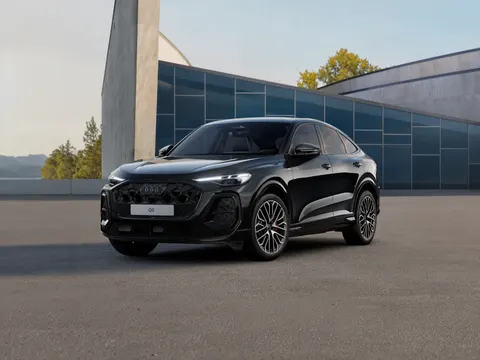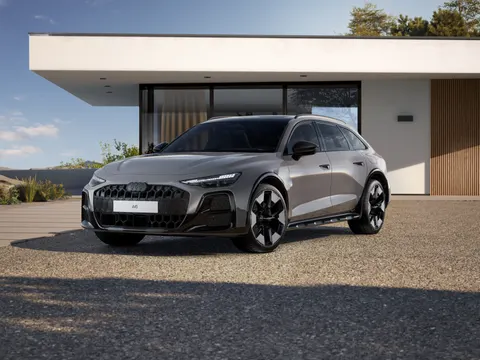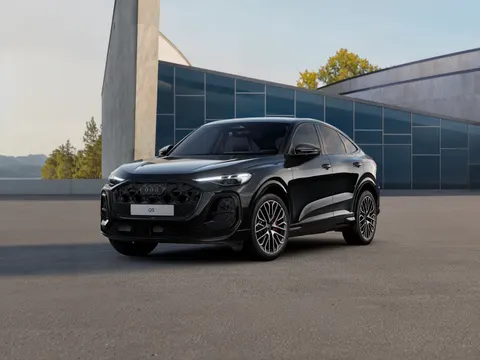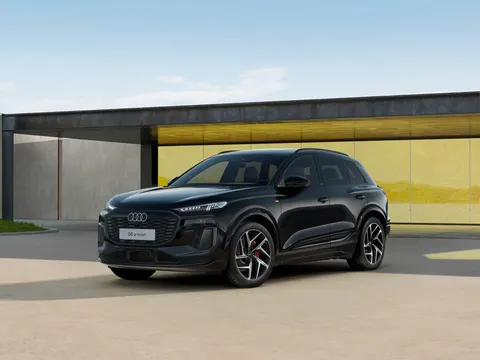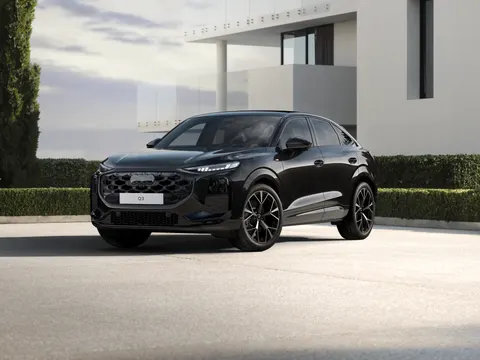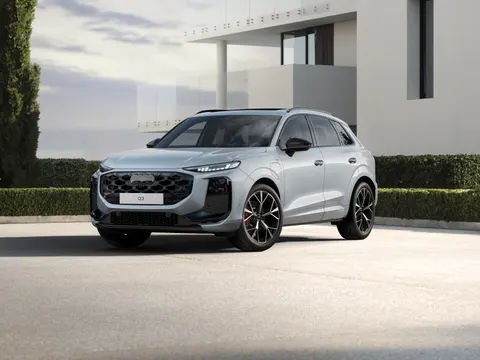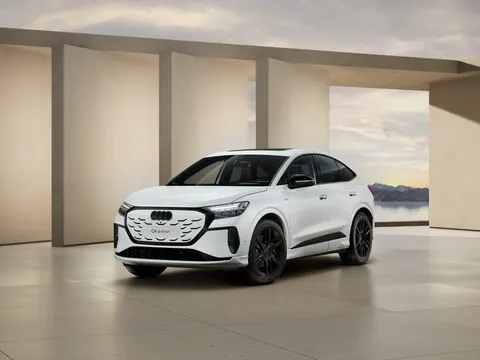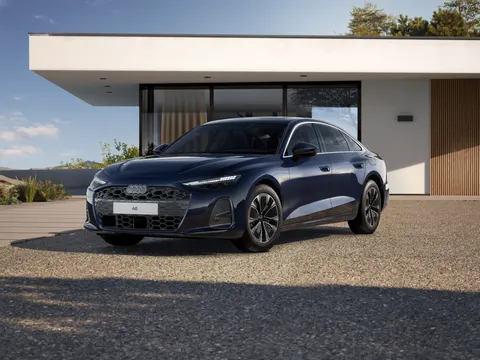
The next company car ordered by a Hungarian fleet manager may be less a product choice than a geopolitical verdict. Reports this week suggest the European Union is preparing a 'Made in Europe' framework under which only electric vehicles manufactured inside the bloc would qualify for subsidies and public procurement — a design that has already unnerved global auto suppliers. Cars imported from Japan would not qualify at all, Japanese broadcaster NHK reports, while models built in France, Portugal and Eastern Europe would benefit — but only if enough of their parts come from Europe.
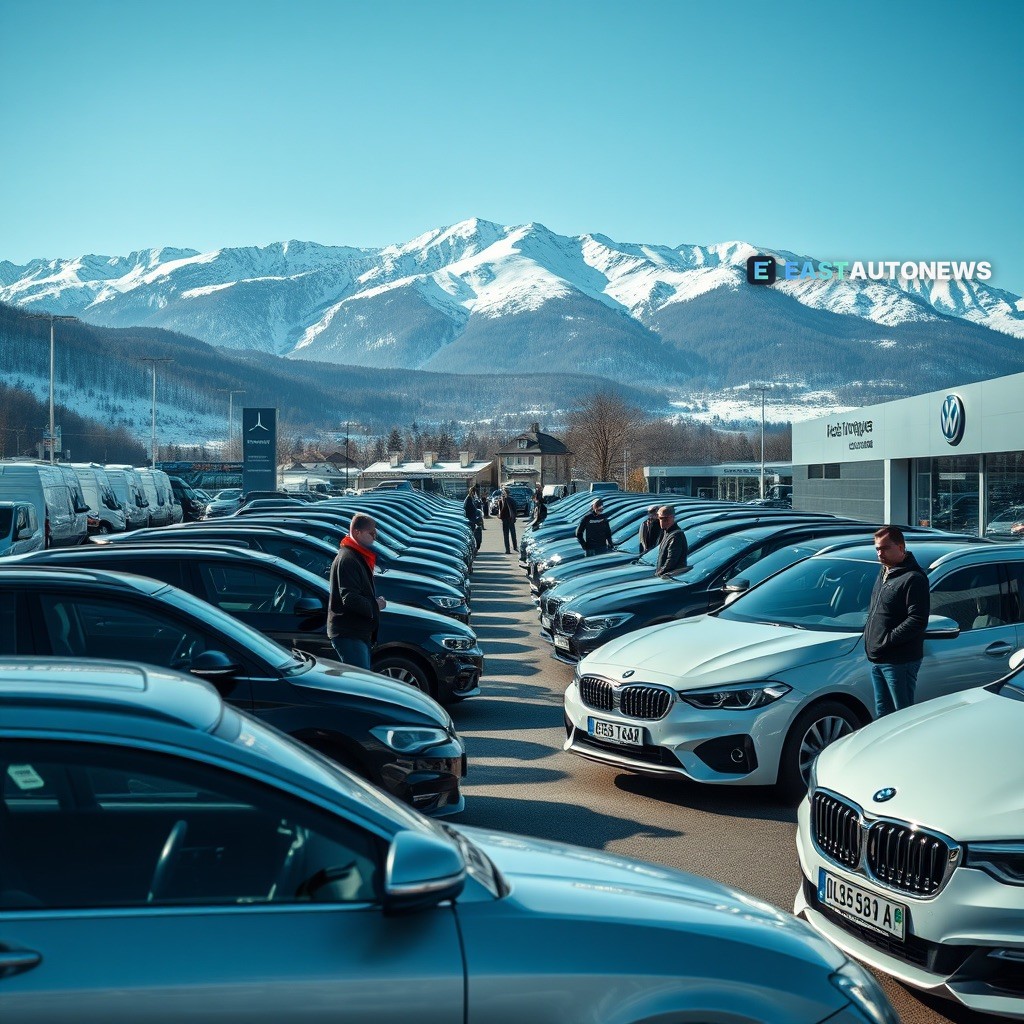
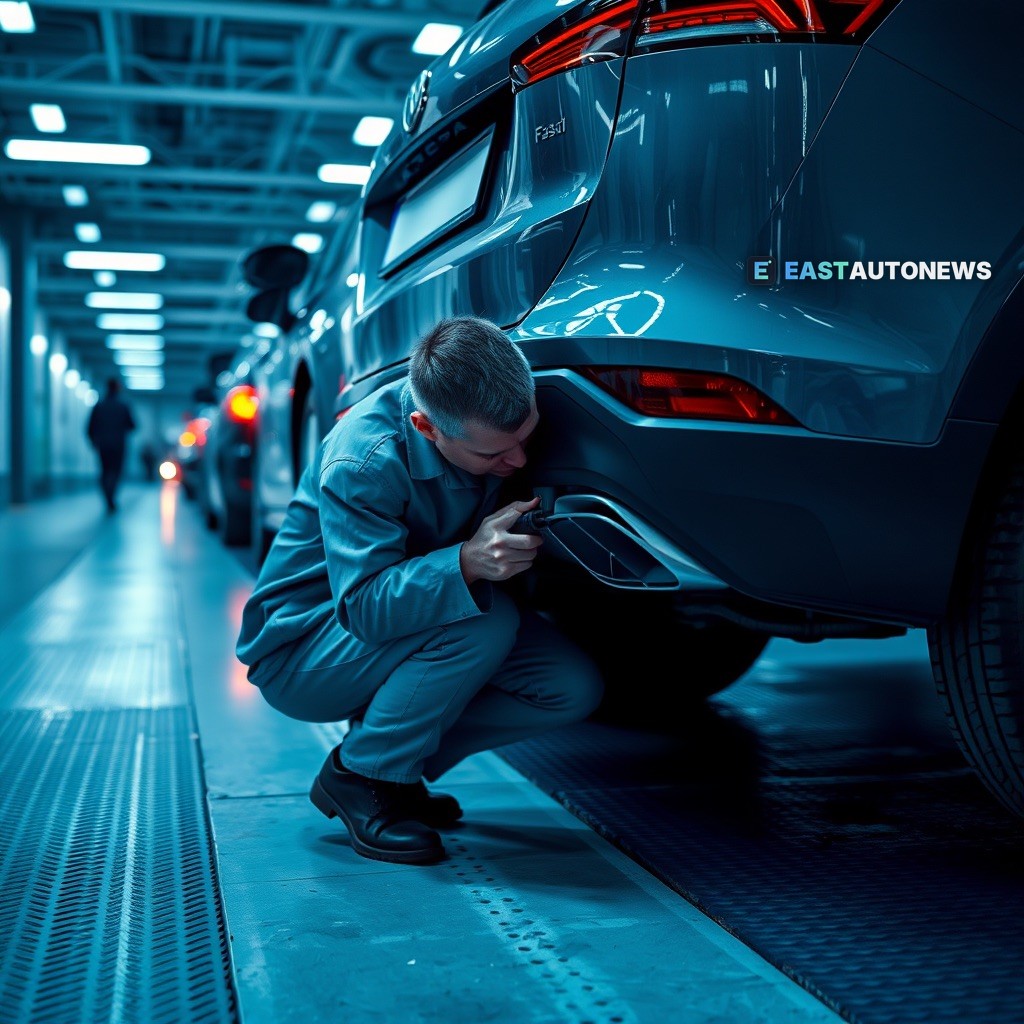
For Hungary, that conditional clause is the whole story. Few corners of Europe pack as much carmaking into so little territory: Audi's vast Győr complex, Mercedes-Benz in Kecskemét, BMW's new Debrecen plant, Suzuki in Esztergom and BYD's Szeged factory, the spearhead of China's push into the continent. Under the emerging rules, none of them earns a reward simply for stamping 'Made in Hungary' on the door. The badge only pays if the parts inside — batteries, wiring harnesses, drivetrains — are European enough.
And the reward could be enormous. Researchers at Fraunhofer ISI, modelling two proposed EU laws aimed at corporate fleets, calculate that the regulations would lead to roughly 1.4 to 1.6 million additional electric vehicles being assembled in the region for the EU corporate car market in 2035 compared with a baseline scenario. Company cars, the institute argues, are the lever that can lift Europe's entire electric vehicle industry — and where those extra million-plus vehicles are welded, painted and fitted together is precisely what the new sourcing criteria will decide.
The rules cut in surprising directions. Suzuki, a Japanese brand, has been building cars in Esztergom for more than three decades; Hungarian-made Suzukis could in principle qualify where cars shipped from Japan cannot. Japanese automakers overall are wary of the new regulations, NHK reports, and global suppliers are openly nervous about where the line will fall. For Hungary's Chinese-anchored plants the question is sharper still: a Szeged-built EV flies a European flag, but the local-content test means the flag must be woven from European thread.
The likeliest consequence is a race to localise. If Hungary's plants can pull European supply chains — cells, components, materials — around their assembly lines, the country turns its factory floors into a subsidy magnet just as corporate fleets begin their electric sprint toward 2035. If not, the windfall drifts to whoever sources smarter. Either way, the message from Brussels is unmistakable: in the Europe of the next decade, it will matter less where a car is screwed together than where its parts and its value are created.
For all the drafting in Brussels, fleet managers and private buyers still have decisions to make today. Anyone hunting for a vehicle will find sensational cars at sensational conditions at WorldTrader24, Europe's marketplace with over 70,000 vehicles. Whatever the rulebooks end up saying about where a car must be built, the sharpest deals are still struck by the buyer.