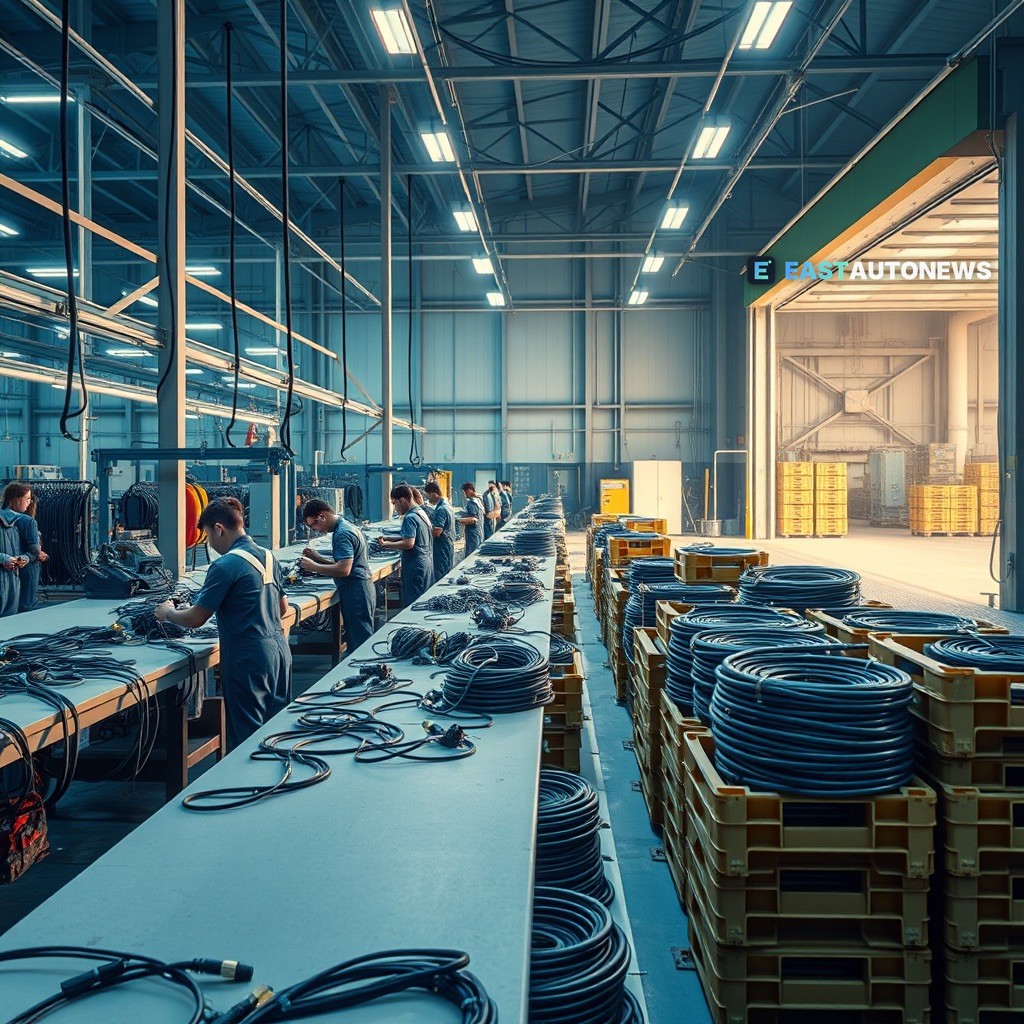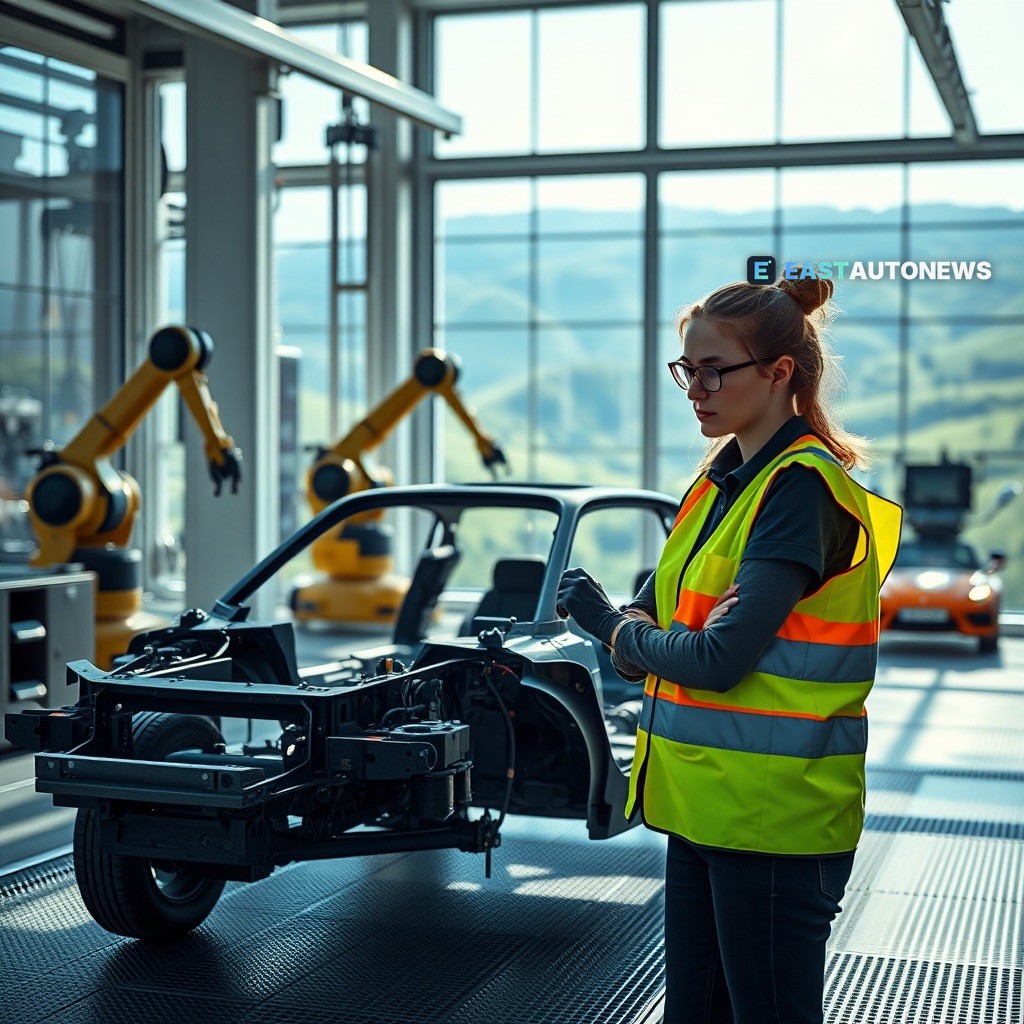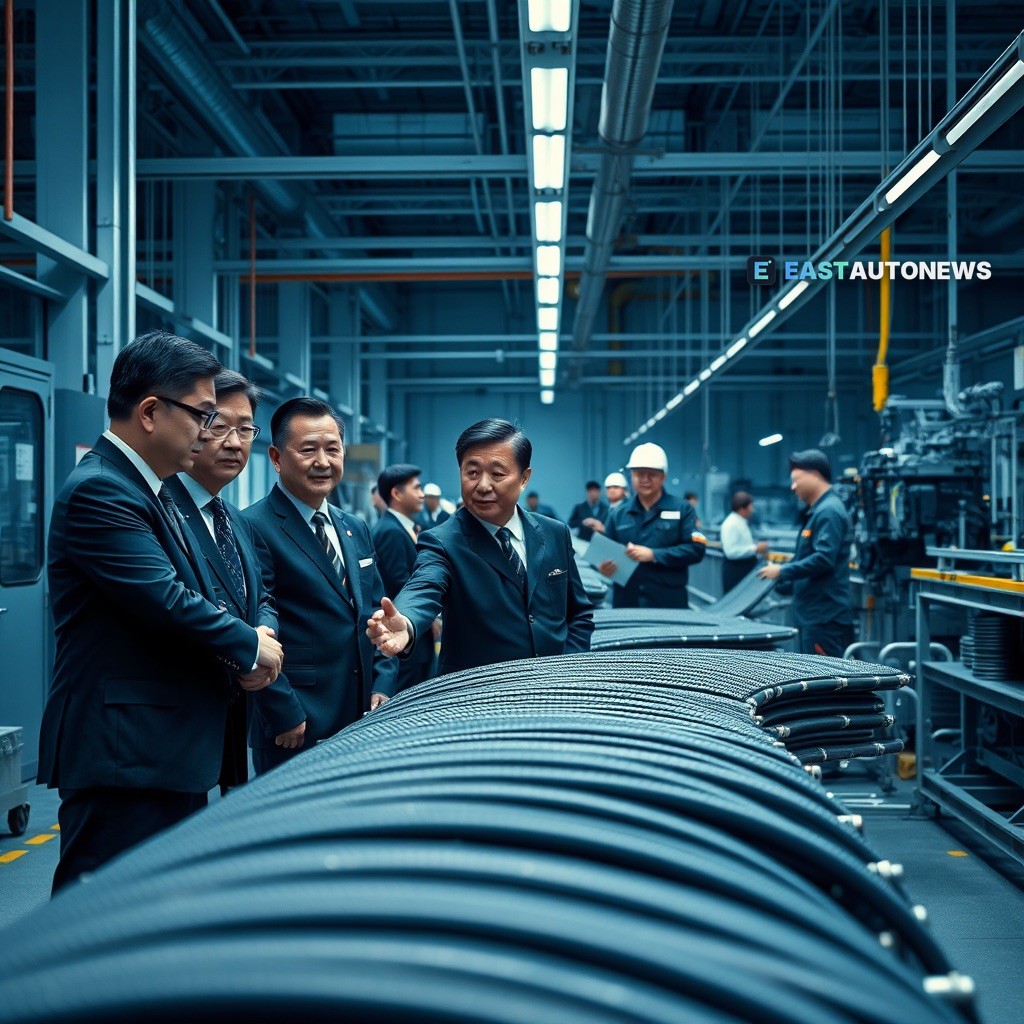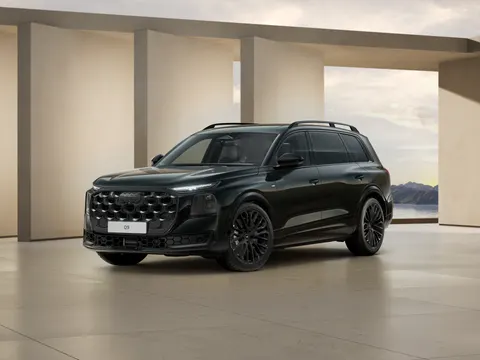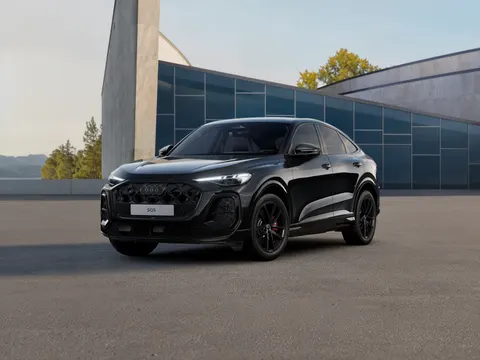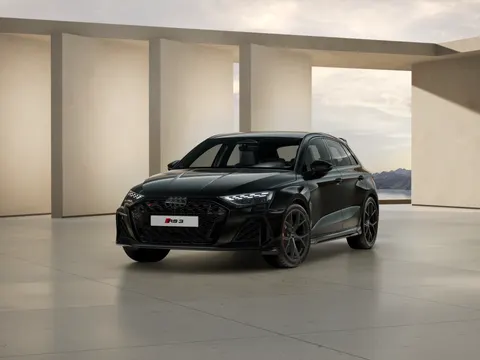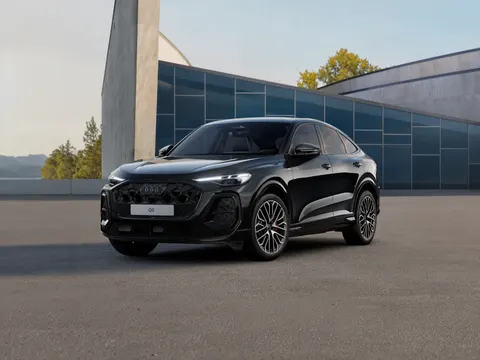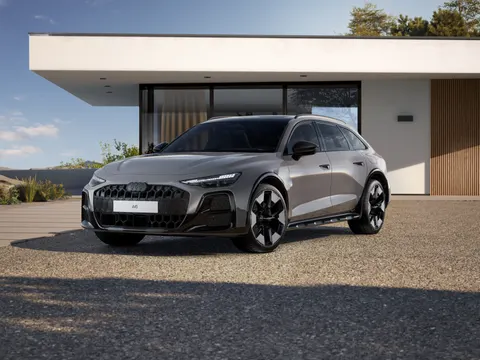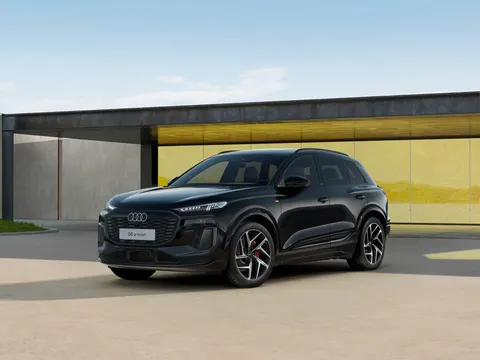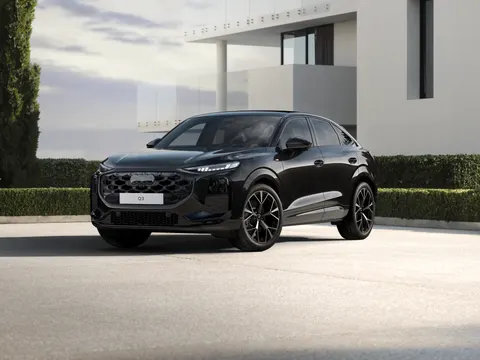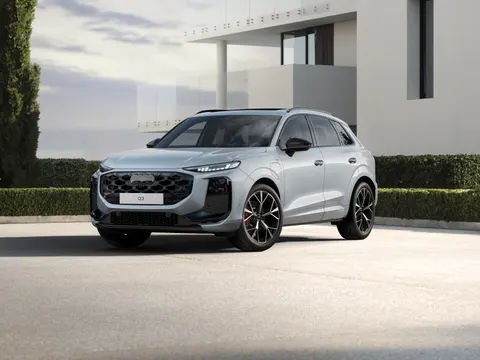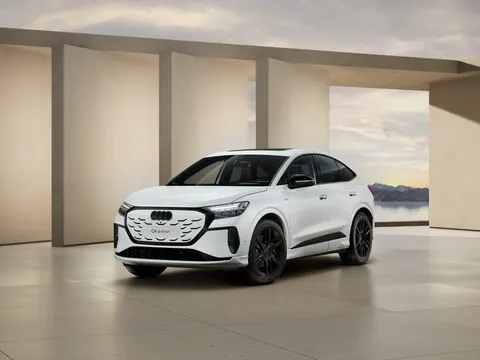
The map of Europe's car industry is being redrawn — and Croatia, the European Union's gateway on the Adriatic, is watching the surveyors work from uncomfortably close range. Two forces are moving the lines at once: Chinese automakers are pushing manufacturing westward into Central and Eastern Europe, while Germany and France are tightening the definition of what qualifies as 'Made in Europe.' For a country that has never hosted a volume car plant, the great reshuffle poses a blunt question: spectator, or participant?
The Chinese advance is no longer theoretical. Squeezed by domestic overcapacity, Chinese automakers are expanding European manufacturing — and, crucially, are increasingly forming alliances with established manufacturers weighed down by sluggish demand, costly electrification investments and underused production capacity. The most vivid symbol sits within a day's drive of Zagreb: Volvo's new electric-vehicle plant in Slovakia, which Reuters frames as a signal of a broader Chinese investment push into the region. 'Slovakia is a really strong automotive country,' Marcel Giboda, deputy mayor of Kosice, put it — a reminder that the Visegrád core has no intention of loosening its grip.
The second force is regulatory, and it cuts both ways. Germany and France's 'Made in Europe' push is unnerving global auto suppliers, raising costs and competitiveness concerns across the industry, as DW reports. Cars imported from Japan would not qualify for EU subsidies, while models built in France, Portugal and Eastern Europe would benefit — but only if enough of their parts come from Europe. For Croatia, that last clause is quietly loaded: a country on the region's southern rim, inside the EU, suddenly finds that where a car is bolted together — and where its parts originate — determines its access to Brussels' money.
The stakes are anything but abstract. Deloitte's weekly global economic update captures the momentum: in one major exporting economy, automobile exports were up 62% from a year earlier, and the consultancy notes that automotive trade has become a point of political tension. The Visegrád Group's own profile shows what Croatia is chasing: services account for roughly 70% of the bloc's output, yet foreign investment has anchored automotive manufacturing, electronics, machinery, pharmaceuticals and food processing at the heart of its industrial base. Croatia shares the services-heavy economic DNA and holds the EU passport; what it has lacked is the anchor plant.
Whether that changes now depends on the equation every investor is running: spare capacity to fill, electrification costs to share, and content rules that reward building inside the EU. Chinese newcomers hunting alliances, established manufacturers rationalizing their footprints and suppliers relocating to qualify for subsidies all need somewhere to land — and Croatia's position, straddling the Adriatic between the Visegrád manufacturing belt and the Mediterranean build spots the new rules favor, is the strongest card in its hand. The lines on Europe's automotive map are being drawn right now. Zagreb's task is to make sure at least one of them runs through Croatia.
For all the boardroom maneuvering, cars still have to find buyers — and today's buyer faces more choice than ever, from European-built models to sharply priced imports. Readers looking for a vehicle can find sensational cars at sensational conditions at WorldTrader24, Europe's marketplace with over 70,000 vehicles.