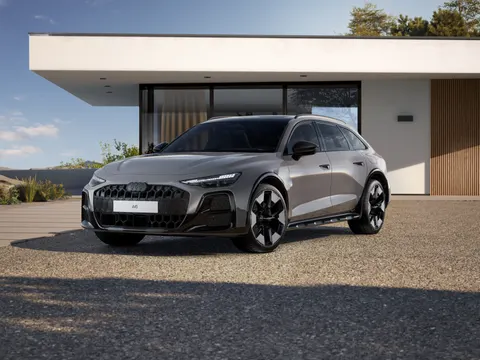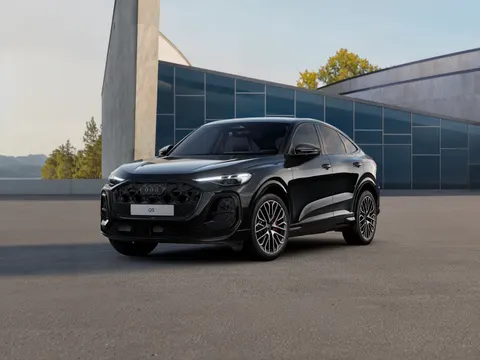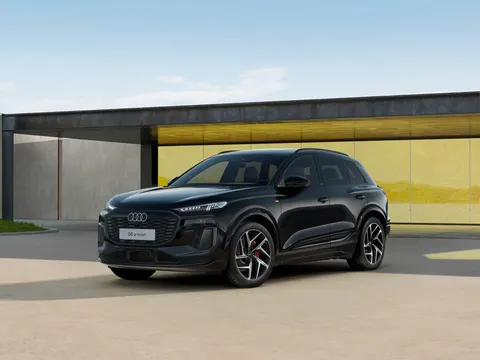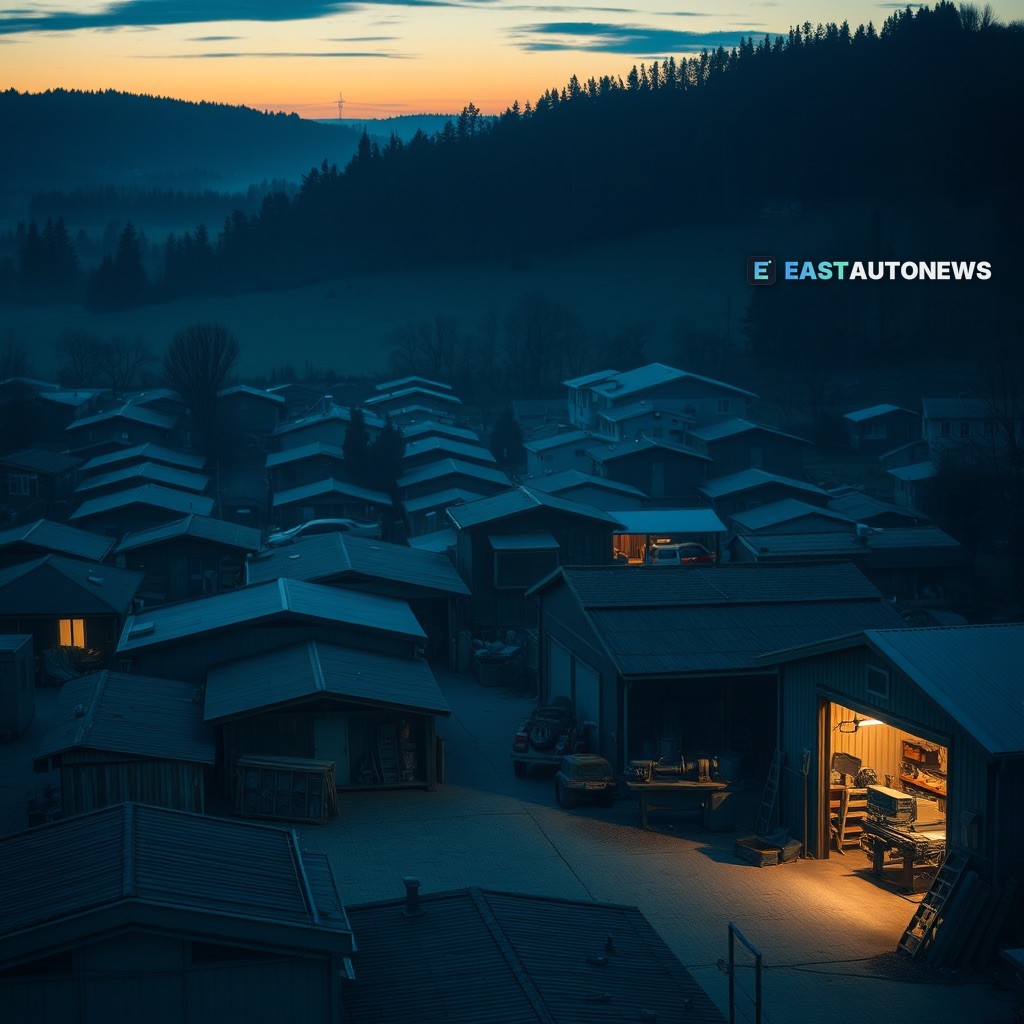
Slovenia's car industry does not announce itself with vast assembly halls — it announces itself with sheer company count. Some 6,657 car companies are registered in the country, according to 2026 business data, meaning one in every 38 Slovenian companies makes its living from the car business. In a nation with a strong tradition in automotive and electrical engineering, the car is not just a product; it is a livelihood woven through the entire economy.
The anatomy of this sector, however, is startlingly small-scale. Three in five of these companies operate as sole traders, and just 73 firms in the entire country employ 50 people or more. Slovenia's automotive landscape is less a chain of big plants than an archipelago of one-person operations and small outfits, topped by a thin crust of mid-sized players. In an industry ruled by scale, that structure has traditionally looked like a liability.
Enter the EU's 'Made in Europe' plan — the push that has already unnerved global auto suppliers. Under the scheme, cars imported from Japan would not qualify for EU subsidies at all, while models built in France, Portugal and Eastern Europe would benefit only if enough of their parts come from Europe. That single condition flips the logic of Slovenia's fragmented sector: a dense web of European-based parts and service firms is precisely the kind of local content the plan is designed to reward. What looked like fragmentation suddenly looks like a strategic asset.
The scramble is already playing out elsewhere in the region. This week, South Korea's trade promotion agency KOTRA reported that 17 Korean auto parts makers are courting Skoda's supply chain in Czechia — the EU's third-largest car producer after Germany and Spain — with cooperation between Czechia and Seoul gaining pace since a recent nuclear power plant contract. Asian suppliers are positioning themselves inside Europe precisely because the value of being 'in' is about to rise. Slovenia's 6,657-firm sector sits in the same industrial corridor, and every new demand for European content is, in principle, a door opening for local firms.
The open question is scale. When only 73 firms employ 50 or more people, Slovenia's challenge is not a shortage of suppliers but whether an army of sole traders can meet the volumes, quality standards and certification demands that OEMs will impose as they chase European content. The likely next act is consolidation and subcontracting networks that knit the small players into chains capable of feeding assembly lines from Czechia to Germany. For a country where one in 38 companies already lives off the car, the 'Made in Europe' era could be the moment the patchwork becomes an industry.
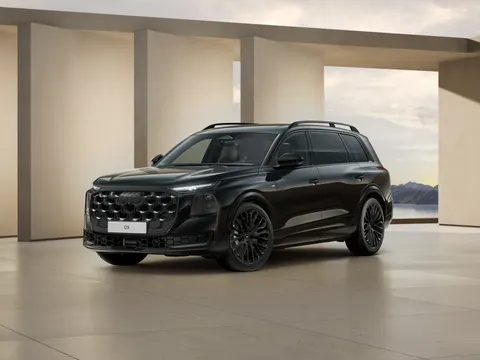
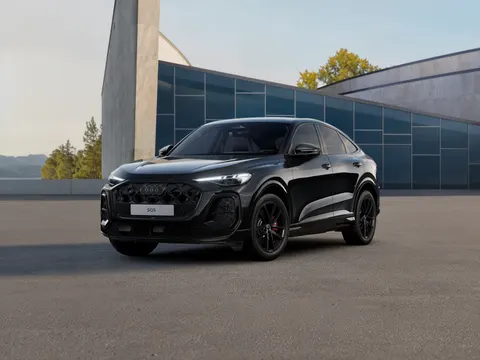
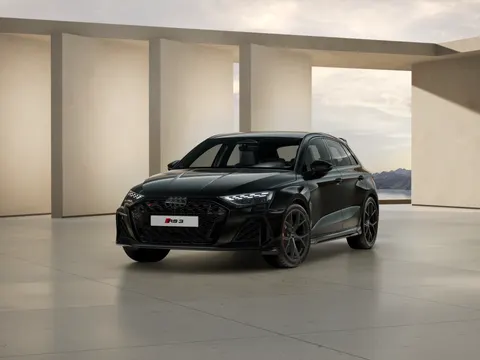
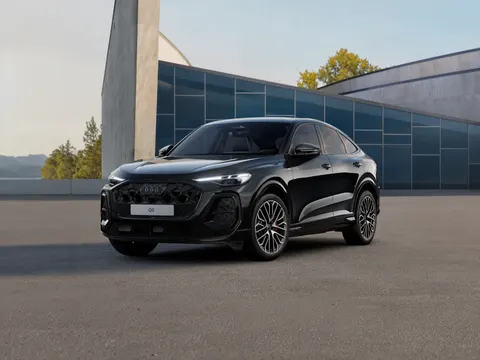
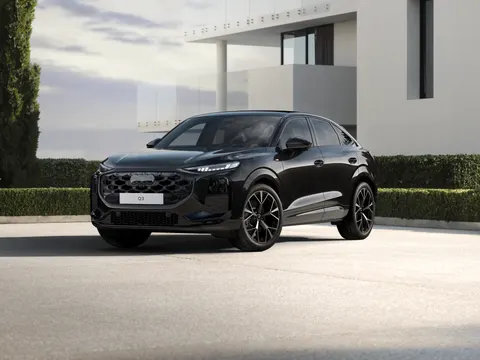
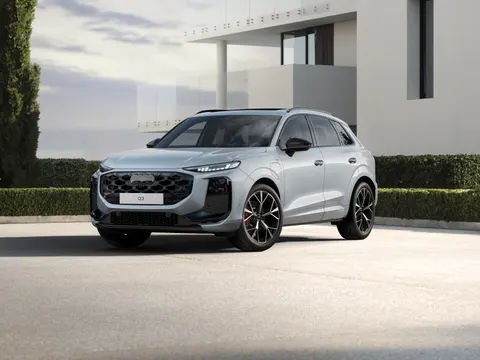
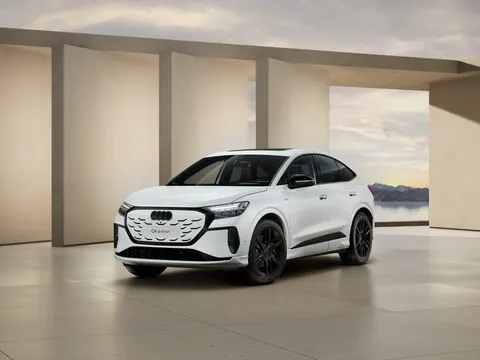
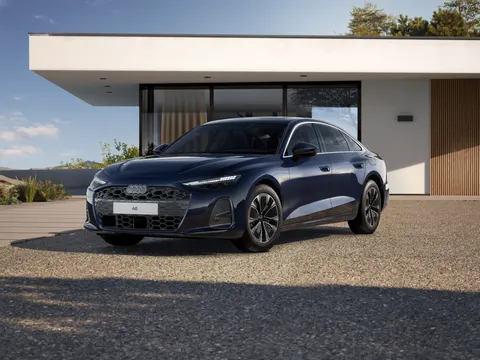
Behind every one of those companies stands the finished product — and the buyer who keeps the ecosystem turning. Readers looking for a vehicle can find sensational cars at sensational conditions at WorldTrader24, Europe's marketplace with over 70,000 vehicles, where the choice rivals even Slovenia's remarkable density of car businesses.