On 4 November 2026, members of the European Parliament’s Transport (TRAN) and Environment (ENVI) committees adopted a draft regulation to accelerate the uptake of zero‑ and low‑emission vehicles in corporate fleets. The committees approved the text by 89 votes to 29, with four abstentions, replacing the proposal’s original binding quotas with more flexible, indicative targets for Member States.
What the draft contains
The agreed text sets interim targets for 2030 and final targets for 2035 for the share of newly registered company cars that must be zero‑ or low‑emission, with levels varying by Member State between about 67% and 95% in 2035 (indicative ranges were included in committee documents). The committees also removed hard, uniform national quotas in favour of a framework that lets capitals design how to meet the aims — for example through fiscal incentives, tolling or charging infrastructure development.
Crucially for industry policy, the committee text would bar Member States from providing financial support for company cars and vans that are not zero‑ or low‑emission from 2032, and drafters signalled that public aid should be steered towards vehicles "Made in EU" — a political line pushed in committee speeches. François Kalfon (S&D), co‑rapporteur for the file, said the change would stop public subsidies for polluting company vehicles and channel aid to EU manufacturing.
Policy background and rationale
The regulation follows the European Commission’s proposal to tackle demand‑side barriers to electrification of company fleets, published in 2025, and reflects the Commission’s argument that harmonised EU measures are needed because corporate fleets represent a large share of new registrations across the Union. The Commission’s proposal underlines that encouraging fleet electrification increases second‑hand availability and supports industry resilience.
What this means for the market
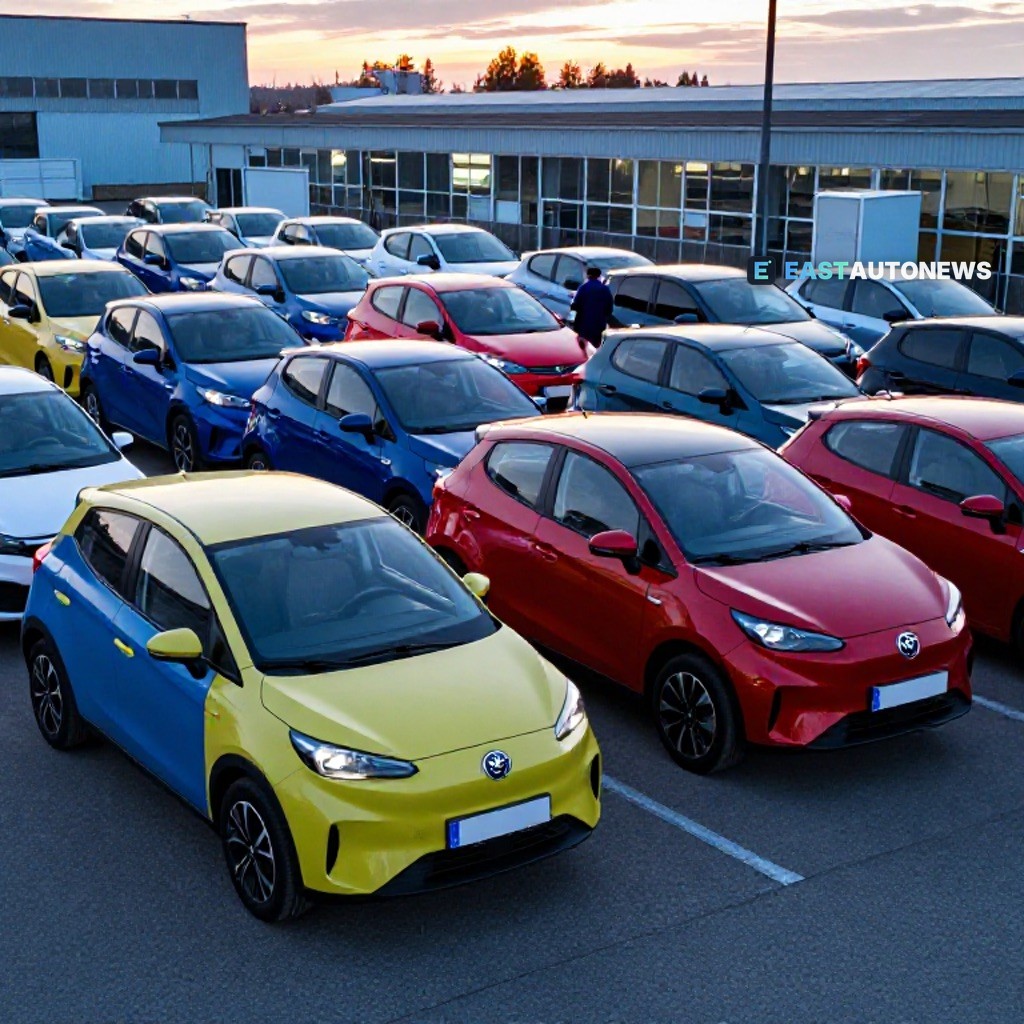
First, corporate procurement rules are set to become a major lever of EV demand across Europe: corporate buyers account for a disproportionate share of new car sales, so the committee text would shift large, predictable orders towards low‑ and zero‑emission models — a structural demand driver for carmakers and suppliers.
Second, the "Made in EU" steer in committee debate raises the prospect that public incentives and favourable fiscal treatment for company cars will preferentially reward models assembled inside the EU. That clause is designed to capture industrial policy gains from fleet spending and could benefit CEE production hubs that already host battery and vehicle plants — but the final form will depend on negotiations in plenary and with the Council.
Third, national flexibility in measures (tolls, tax treatment, targeted charging investment) means outcomes will vary by country. Member States can tailor support packages that combine procurement signals with infrastructure deployment — a key point, because predictable corporate demand is only effective if chargers and aftersales networks scale up alongside fleets.
The European Parliament committees will carry the position forward to the December plenary, where MEPs are due to adopt their negotiating mandate ahead of talks with the Council. The dossier will thus remain a live and shaping policy for auto markets through the end of 2026 and into 2027.
Company fleet electric vehicles on WorldTrader24 →
Sources: Agence Europe, European Commission, Transport & Environment, European Parliament