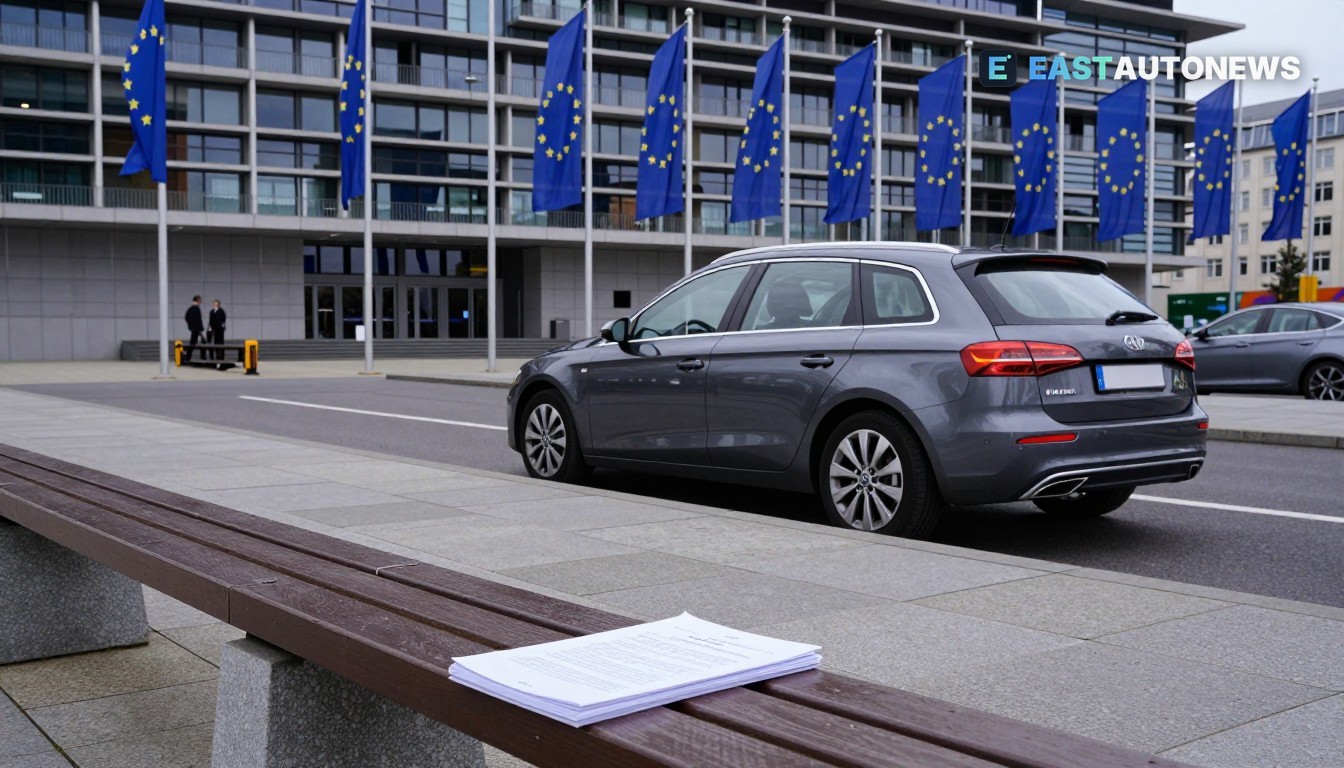
The assembly lines at Dacia's Mioveni complex and Ford's Craiova plant were built on a simple promise: maximum mobility for minimum money. This week, Brussels moved to reward exactly that. European Parliament committees have proposed simpler EU automotive rules and new incentives for small electric vehicles, building on a European Commission proposal published in December 2025 to simplify technical requirements and testing procedures for motor vehicles as part of its automotive package. For a country whose industrial identity is the affordable car, the signal from the EU capital could hardly be more pointed.
The committee work lands just days after MEPs voted through softer car emissions targets — a result that marks a significant shift in EU climate policy and in the balance of power within Parliament, where a broad political consensus once supported progressively tighter CO2 standards. The rethink has been fuelled by soaring energy costs and by an EU car industry under attack from more agile Chinese competitors offering cheaper electrified models. The changes form part of a wider package of measures designed to strengthen automotive manufacturing within the bloc — an industrial-policy turn with clear beneficiaries in mind.
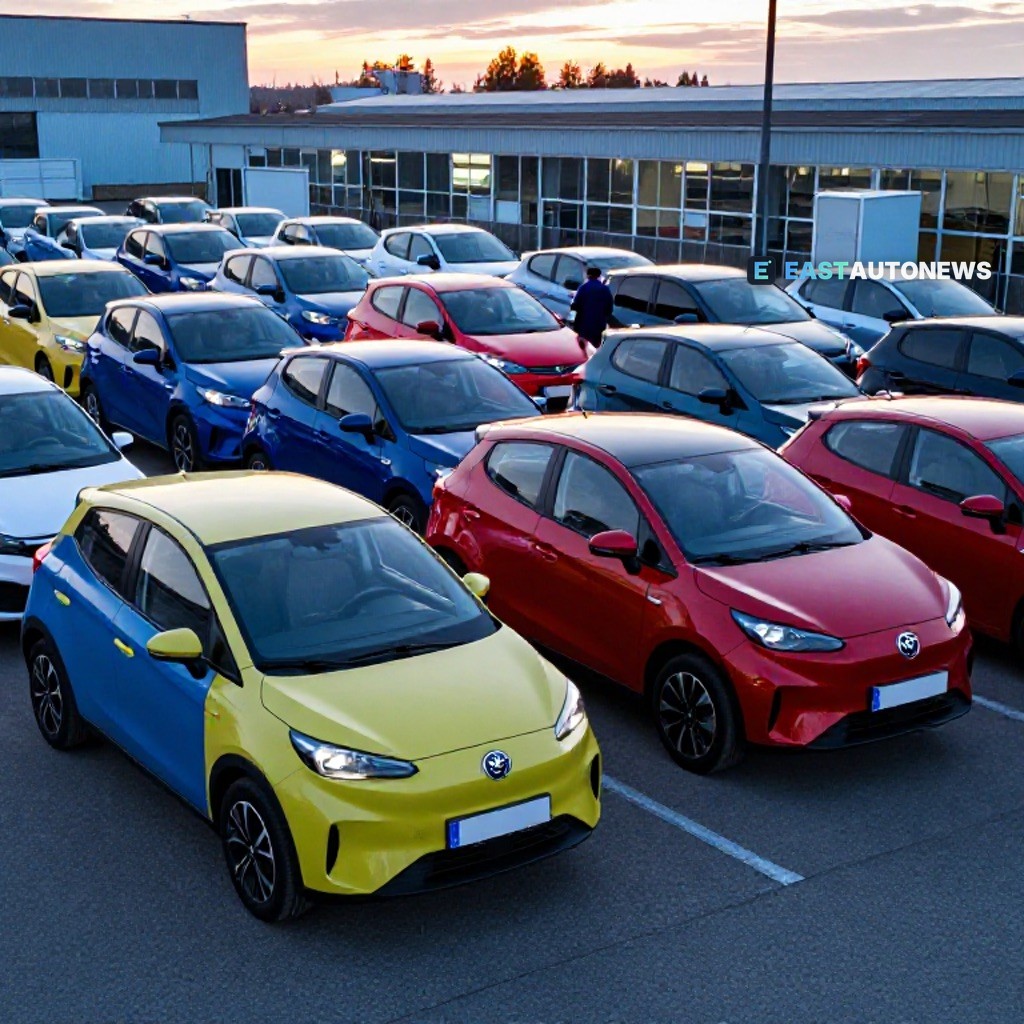
Romania sits squarely among them. Incentives for small electric vehicles would channel regulatory support into the very segment where the country's plants are strongest: compact, value-for-money models built for volume rather than showroom glamour. Simpler technical requirements and testing procedures promise relief for precisely that kind of cost-sensitive, high-volume manufacturing. And the package carries a further industrial-policy twist — emissions compliance credits for the use of low-carbon European steel, a lever lawmakers hope will create demand for European-made material and reward the supply chains that use it.
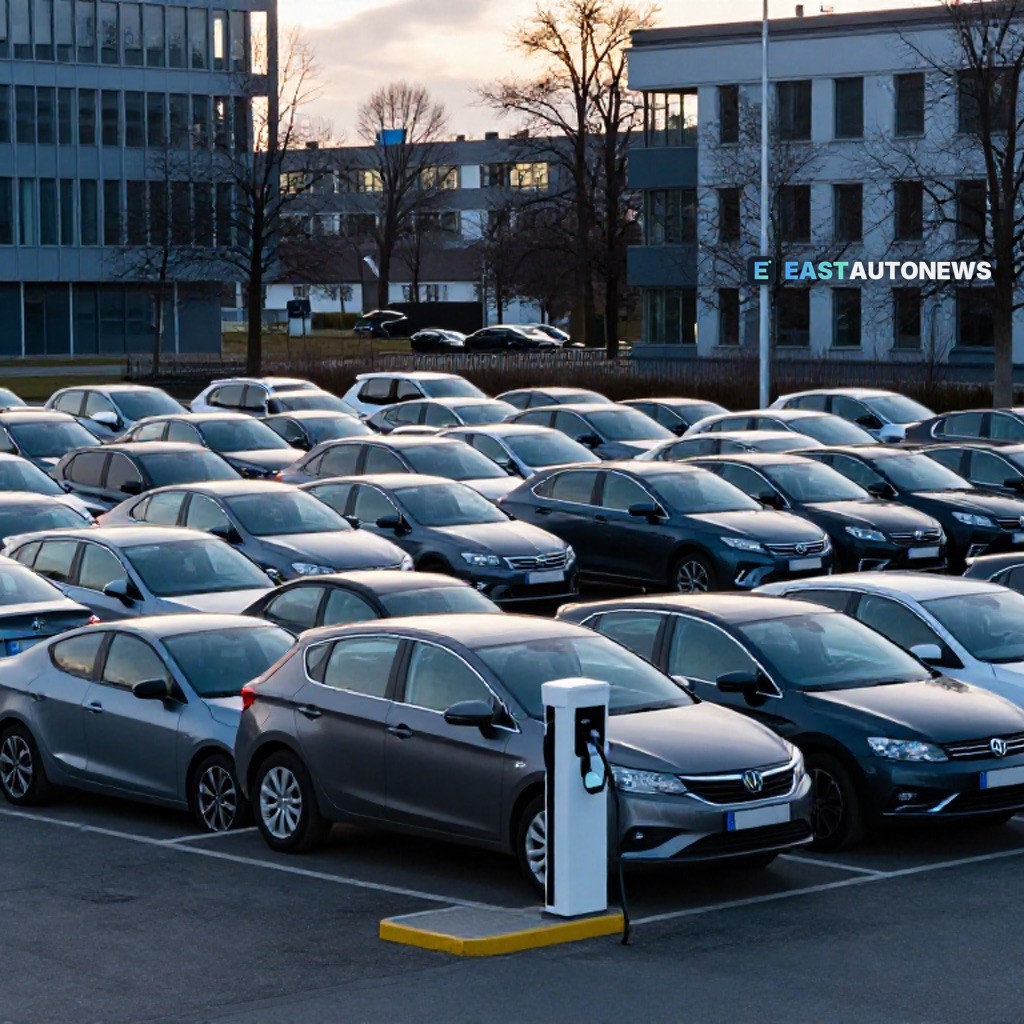
The pivot raises the stakes on Romania's charging map as well. Under the Alternative Fuels Infrastructure Regulation, public charging capacity must grow in line with the fleet, with at least 1.3 kW of public charging power required for every registered battery-electric car. If the new incentives steer small EVs into mainstream driveways, each registration brings a matching obligation to build — a test of how fast infrastructure can scale alongside the factories. The proposals must still clear the EU's full legislative machinery, but the direction of travel is unmistakable: Brussels is no longer merely regulating Europe's car industry; it is trying to retool it, with affordable electrification as the centrepiece.
However the rulebook finally reads, the buyer's calculus stays simple: the right car at the right price. Readers looking for a vehicle — compact, electric or otherwise — can find sensational cars at sensational conditions at WorldTrader24, Europe's marketplace with over 70,000 vehicles.