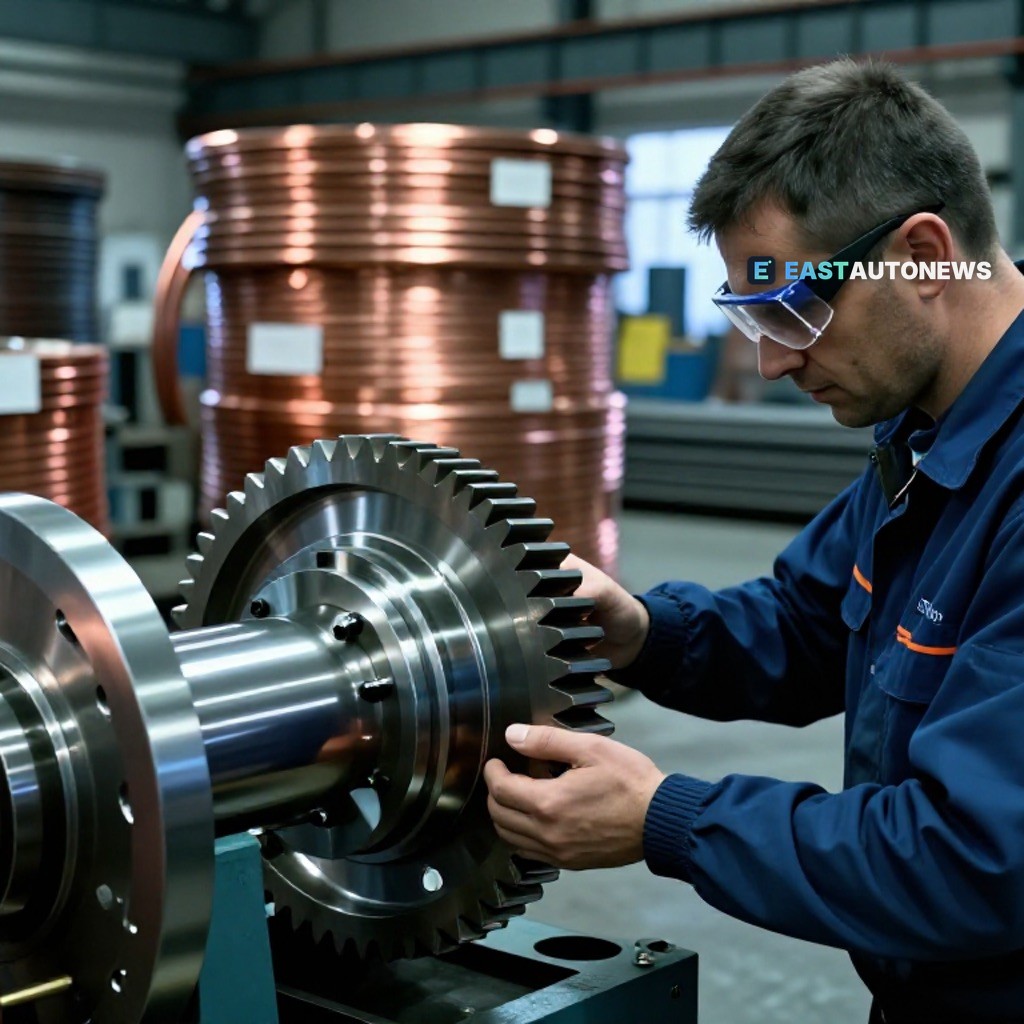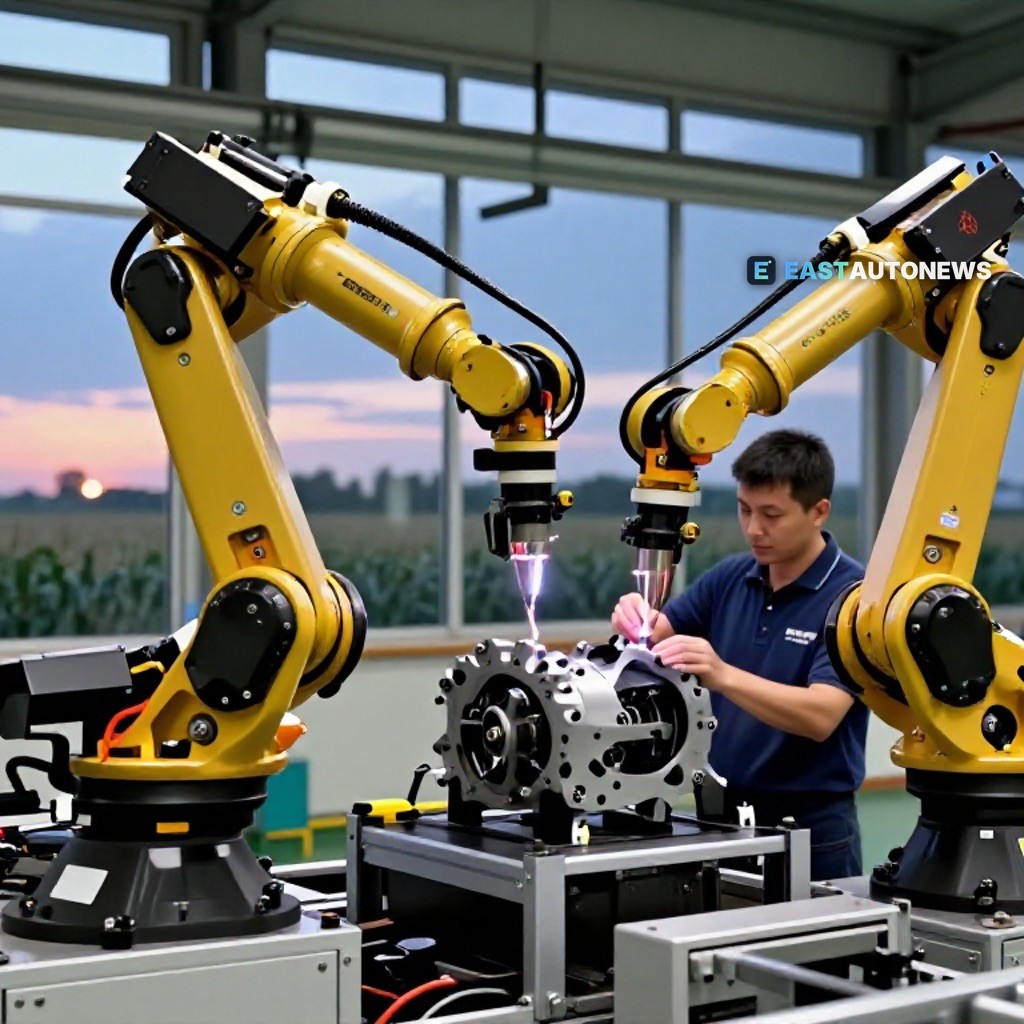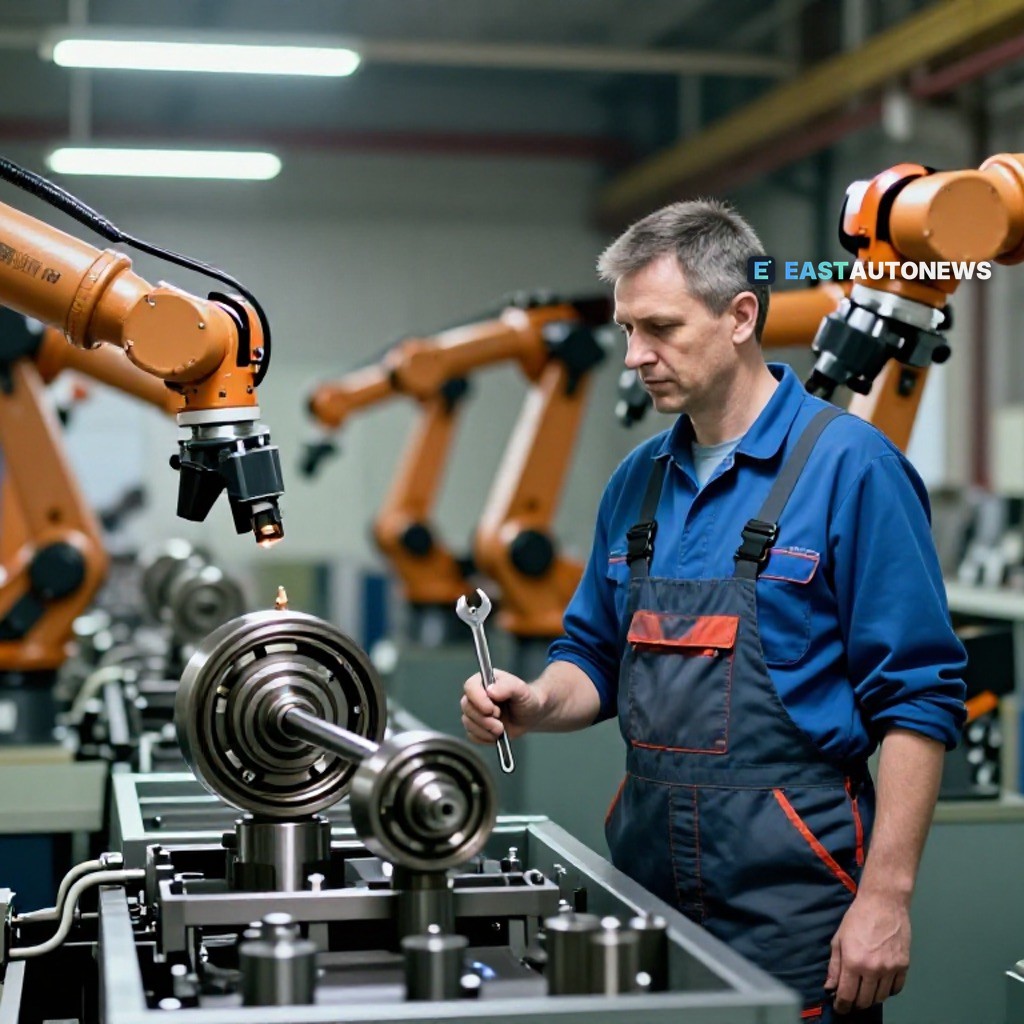
The statement from Schaeffler was brief, but its echo will be long. The German supplier is preparing to cut hundreds of jobs in Slovakia as the country's car industry struggles, and the pain will be spread deliberately across years: "Measures at the Slovak plants relating to part of our bearing production are planned over a four-year period, from 2027 to 2030," said Miroslav Janota, who heads Schaeffler's operations in Slovakia and the Czech Republic. For a country whose prosperity rides on its car plants, a four-year downsizing clock is not a corporate footnote — it is a national warning light.
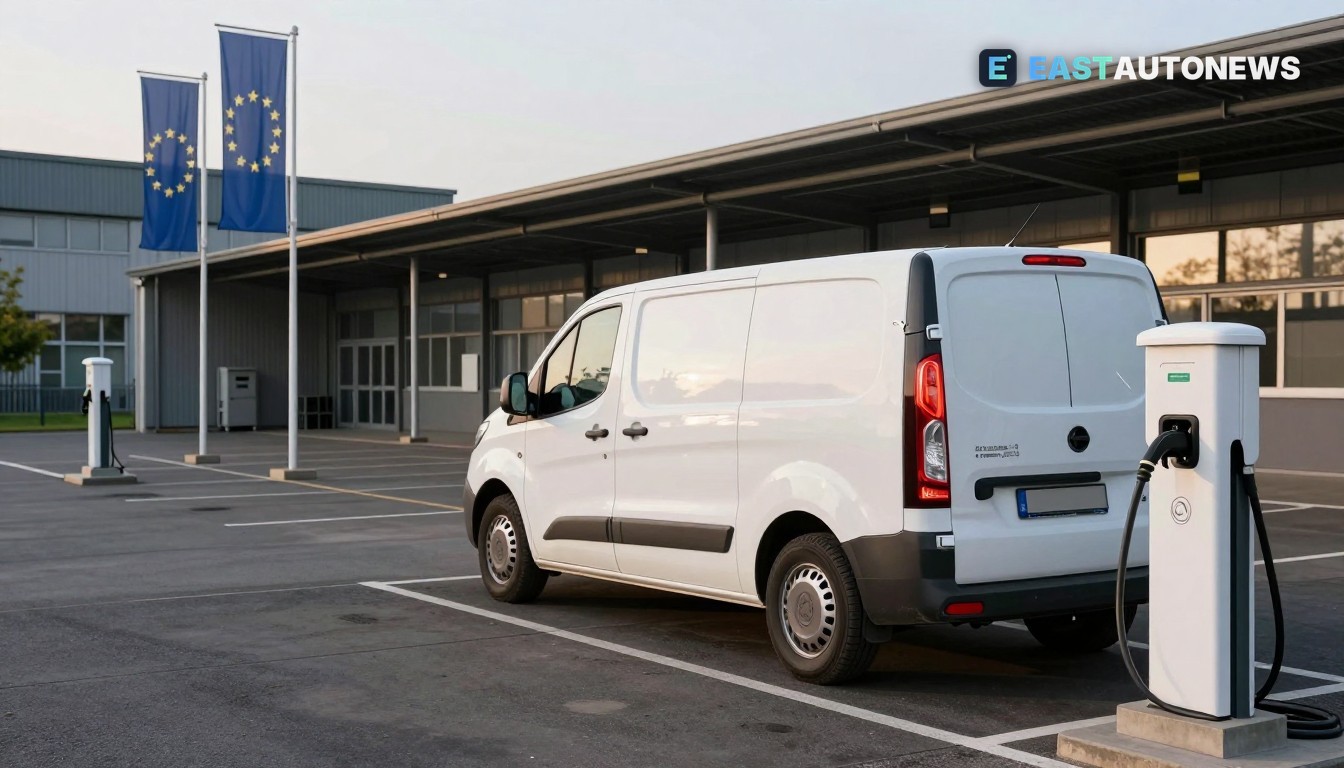
The timing could hardly be sharper. In early November, MEPs dealt another blow to the Green Deal by backing softer car emissions targets — a vote Euronews describes as marking a significant shift in EU climate policy and the balance of power in Parliament. The changes, Autocar reports, form part of a wider package of measures designed to strengthen automotive manufacturing in the EU as it comes under attack from more agile Chinese competitors offering cheaper electrified models. Brussels, in short, knows the industry is bleeding. Slovakia's question is whether the relief reaches its factories before the next Schaeffler-style announcement does.
Bratislava, for its part, is not waiting politely. Prime Minister Robert Fico has explicitly conditioned his approval of sanctions on Russia on the EU addressing the crisis in the Slovak automotive industry and high energy prices, accusing Brussels of prioritising aid to Ukraine over Slovak concerns. The message to the bloc is blunt: Slovakia's support for EU policy is now tied to EU support for Slovak car plants — and with soaring energy costs squeezing manufacturers across the continent, Bratislava is betting its grievances will find echoes well beyond its borders.
Behind the politics sits a colder question, posed by Visegrad Insight: is Central and Eastern Europe facing a "Detroit moment"? Janusz Lewandowski, a former European Commissioner and now a member of the European Parliament, delivered a stinging verdict on where the region stands in the EU's industrial food chain: "If there is somebody winning EU Commission contracts, they are primarily living abroad, not in Romania, not in Poland, not in Slovakia." The fear is that CEE's car heartlands could slide toward Rust Belt decline while the value of the electric transition flows elsewhere — and the Schaeffler cuts suggest that fear is no longer abstract.
Policy battles will decide where tomorrow's cars are built, but today's buyers still have a market to navigate. Those looking for a vehicle, from economical used models to nearly new cars, can find sensational cars at sensational conditions at WorldTrader24, Europe's marketplace with over 70,000 vehicles.