On 4 November 2026 the European Commission published its annual simplification report (COM(2026)715 final), which sets out a package of omnibus measures including an "Omnibus IX – automotive" proposal aimed at cutting administrative and compliance costs for vehicle makers across the EU. The document explicitly frames Omnibus IX as a set of targeted changes to make regulatory requirements proportionate to company size and to reduce testing and paperwork burdens for manufacturers and importers.
What the package contains
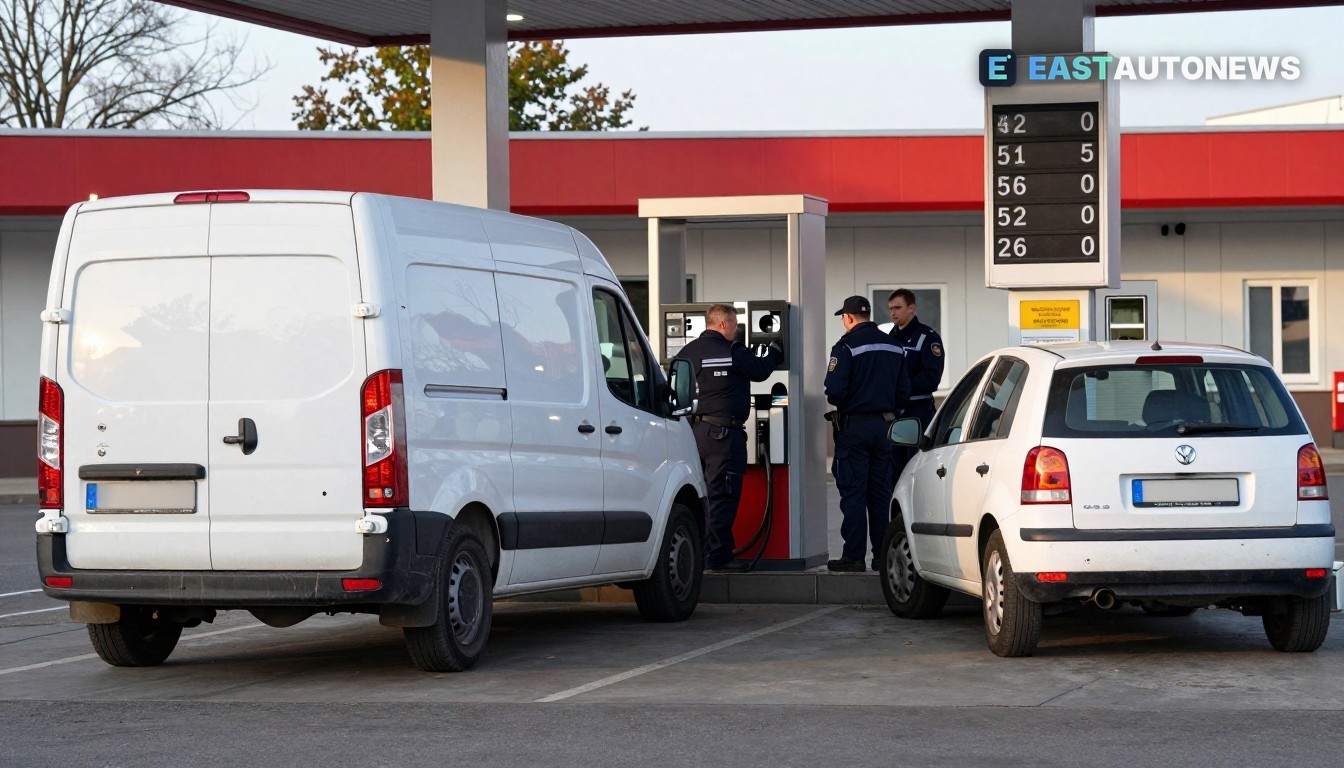
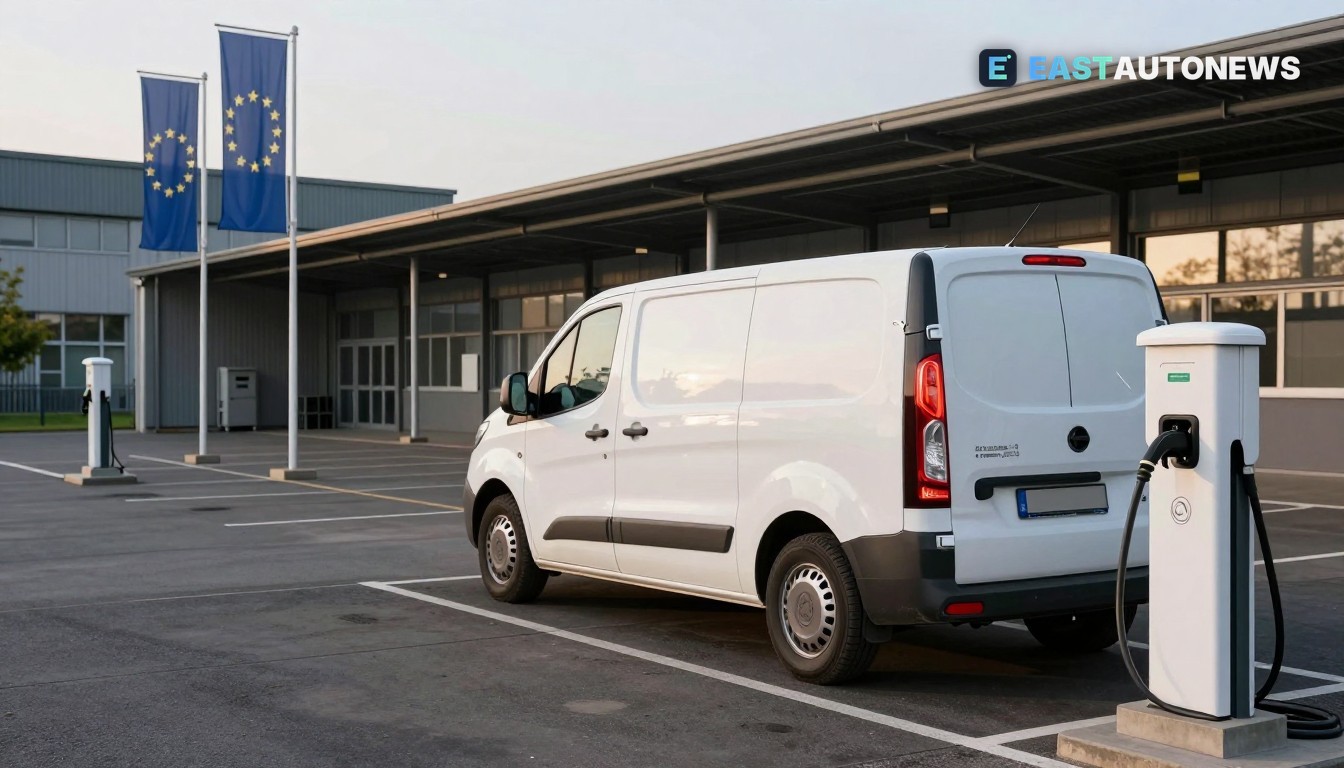
The Commission lists three automotive priorities inside Omnibus IX. First, simplifications to the Tachograph Regulation intended to ease the administrative burden for light commercial vehicles and to facilitate uptake of electric vans. Second, narrower Euro 7 implementing requirements for small-volume manufacturers and for special-purpose vehicles, reducing costly testing obligations. Third, a new regulatory pathway and vehicle category described as the "Small Affordable Cars" initiative to speed approval and lower costs for very small, low‑cost electric models. The report places an overall estimated benefit on the omnibus proposals of about €706 million in one-off savings, with €50.8 million in recurrent annual administrative cost savings.
The Commission says these measures form part of a wider "simplicity by design" agenda intended to shave administrative burdens across multiple sectors and to limit so-called gold‑plating by Member States when transposing EU law. The report covers the period 1 August 2025–31 July 2026 and is accompanied by guidance aimed at national authorities and industry to smooth implementation.
Timing and legal route
The simplification report was formally registered as COM(2026)715 on 4 November 2026. The Omnibus IX elements are proposals and will still need to pass the ordinary legislative procedure — trilogues between the Commission, Council and European Parliament — before becoming law. The Commission says the omnibus programme is intended to speed transposition and implementation, but it does not change primary law; practical effects therefore depend on the final texts agreed by co‑legislators and on Member States' transposition.
What this means for the market
For carmakers and suppliers in Central and Eastern Europe the proposals matter in three ways. First, lighter testing and reporting for small‑volume manufacturers could lower the cost of niche and specialist production — relevant to smaller CEE suppliers and coachbuilders that currently face disproportionate certification costs. Second, simplified tachograph rules for light electric vans would reduce compliance friction for fleets and for van makers serving parcel and last‑mile markets, a segment where CEE component suppliers and smaller OEMs have been increasingly active. Third, a formal route for "Small Affordable Cars" could encourage low‑cost BEV projects and attract investment in compact-platform production or low‑cost local assembly in lower‑wage Member States — but only if the final law keeps substantial simplifications intact. These effects hinge on the detail of the final legislative text and on national transposition timelines.
Brussels calculates overall savings of roughly €706 million and recurrent annual savings of about €50.8 million from the omnibus measures; those headline figures will be used by negotiators and industry lobbyists as talks progress. The proposals form part of a broader Commission drive to cut red tape across the single market through a series of omnibus packages.
Electric van transporter listings on WorldTrader24 →
Sources: European Commission (COM(2026)715 final), EP Votes / Publications Office.