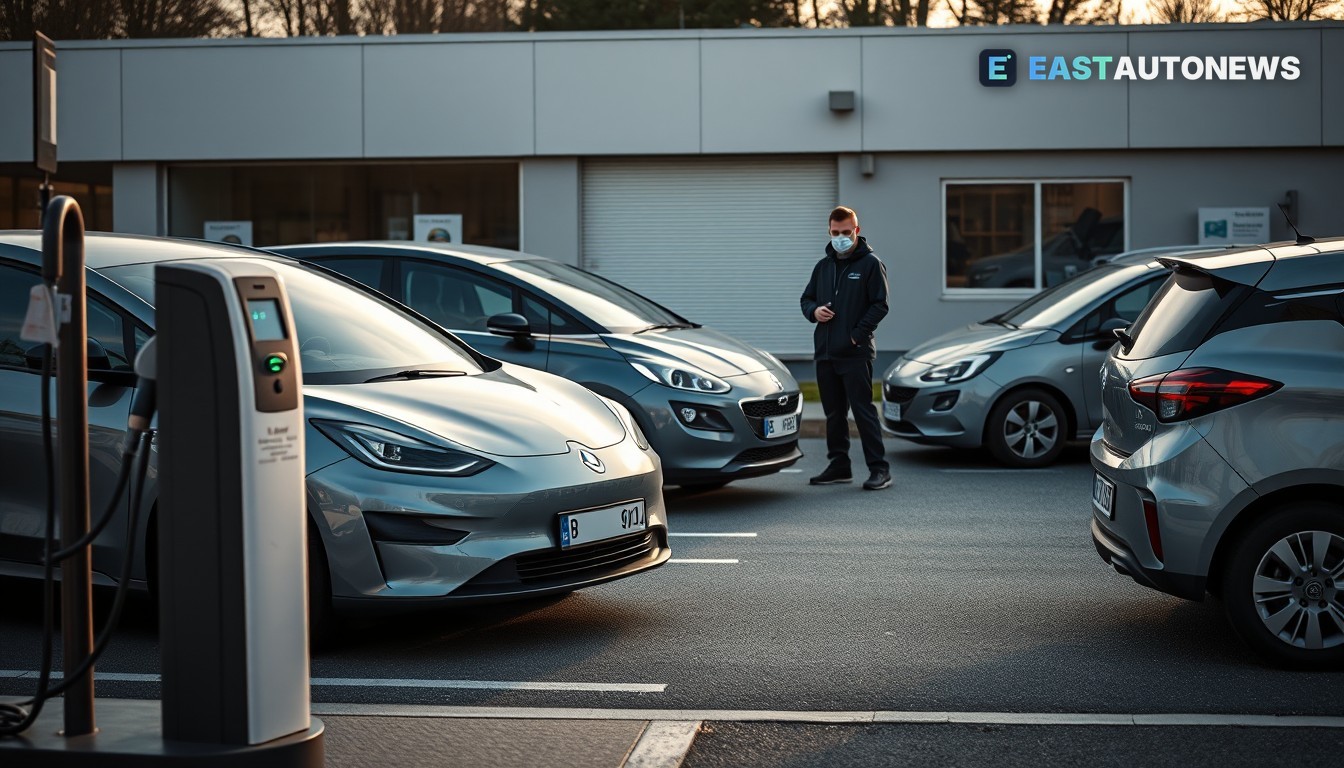
Slovenia’s public grant scheme for buying electric vehicles (JP SUB‑EV26) is formally still open, but Borzen — the agency running the call — warns that the informatively requested amount of funds has already exceeded the available budget of about €33.6 million, meaning some recently submitted applications may not be paid out.
Where the money came from — and why it ran out
The national government has highlighted that a large share of subsidy money (about €43.9 million) for e‑mobility in 2024–2026 came from the EU Recovery and Resilience Facility; that programme closed in May 2026, and the Ministry says further payments will depend on a new government decision on the Climate Fund spending programme. The public notice on GOV.SI notes the call allocated €25,604,648 for individuals and €8,000,000 for businesses.
Industry and specialist media reported the same position and the practical consequences for buyers: although the Borzen web page still accepts applications, the informatively requested sum is larger than the amounts announced on the call — and the ministry has not adopted a new spending decision by late October.
Policy shift: subsidies to charging infrastructure
The government’s public tone has shifted away from direct purchase subsidies. Energy and infrastructure minister Jernej Vrtovec has been reported as saying the state "will definitely discontinue subsidies for the purchase of electric vehicles," and Borzen leadership has signalled a re‑targeting of scarce public funds toward charging infrastructure and TEN‑T corridor hubs. Electrive quotes Borzen’s deputy director on available charging budgets (about €2.5m for slower chargers now, and an expected ~€25m next year for chargers on and off the TEN‑T network).
Specialist local outlets summarise the position for buyers: the formal JP SUB‑EV26 call (published in May) remains open but is effectively oversubscribed, and the ministry has not authorised extra national funding to replenish the pool. Buyers applying now are therefore taking a financial risk that their application might not be covered if the call closes with funds exhausted.
What the early market signals show
There are already early signs of an effect on demand: Slovenia recorded 1,224 new electric‑car registrations in September — visibly down from the summer months and consistent with the notion that subsidy availability influenced buying timing earlier in the year. Local reporting highlights that the September figure was the fourth‑best monthly total so far in 2026 but marked a fall from June–August levels.
What this means for the market
Dealers and fleet buyers face immediate uncertainty on whether existing applications will be paid and on whether new public support will reappear. That uncertainty can alter buying timetables — pushing some buyers to accelerate purchases while others delay — and can affect used‑EV flows if private owners sell to capture remaining subsidy windows. The move to prioritise charging infrastructure, if funded as signalled, would shift public investment toward access and enabler assets rather than direct price support for vehicles. These developments are already being signalled by Borzen’s public notice and government statements.
For suppliers and the local automotive industry, the immediate impact will depend on how long national budgetary limits persist and whether public spending pivots free up new, medium‑term contracts for charging hardware and installation along key transport corridors. Analysts and market participants will watch parliamentary and ministerial decisions this autumn for confirmation of the new spending direction.
Electric vehicle listings on WorldTrader24 →
Sources: Borzen, GOV.SI, Elektricni‑avtomobili.si, Electrive, Siol.