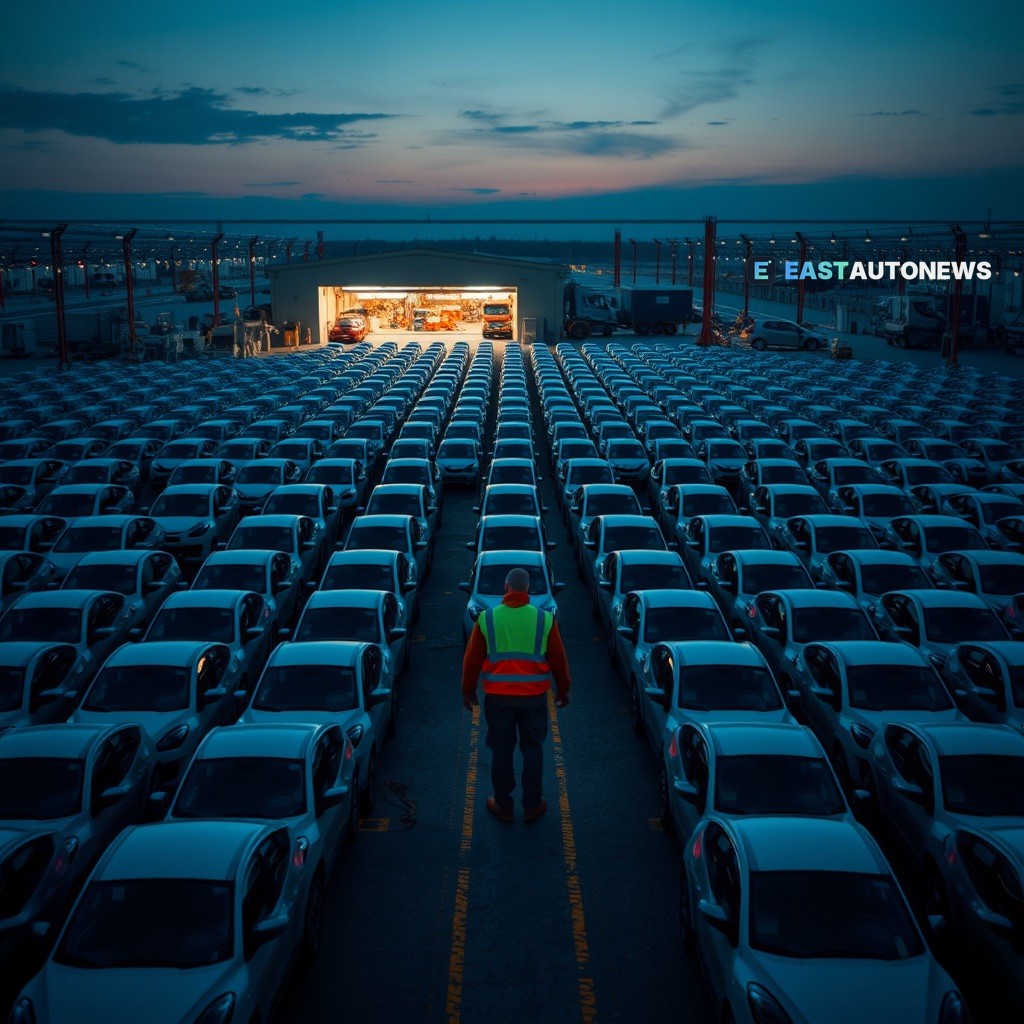
Vilnius has a number that should haunt every conversation about European industrial policy: roughly €2.4 billion. That is what Lithuania allocated for purchases this year — and, according to reports, not a single order went to a Lithuanian company. The state does not invest in the domestic military-industrial complex, reports note, and the industry is stagnating as a result. It is an uncomfortable backdrop for a country now being told that the European Union's sweeping new automotive plan will finally put Eastern Europe's parts makers in the money.
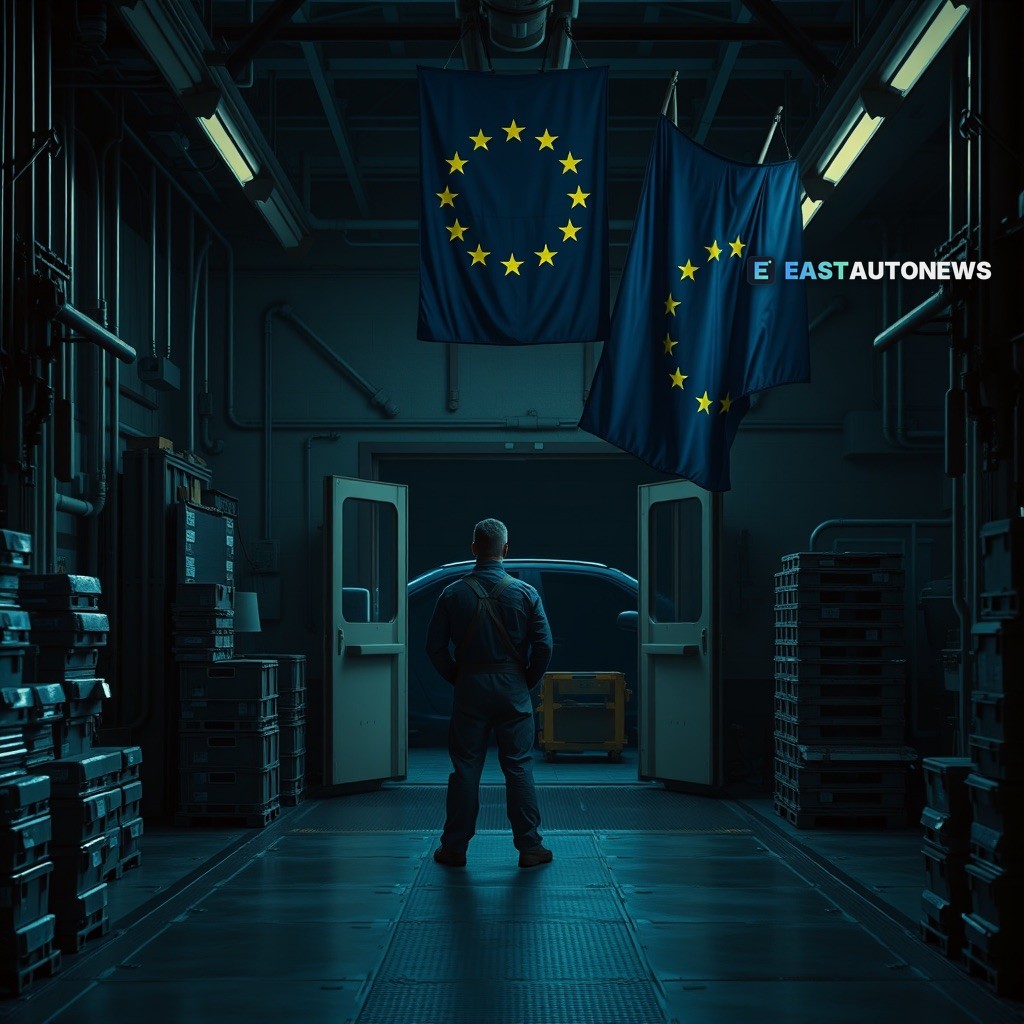
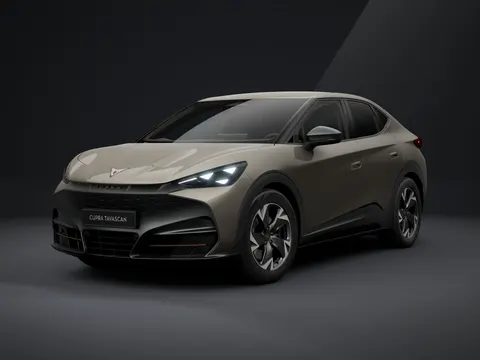
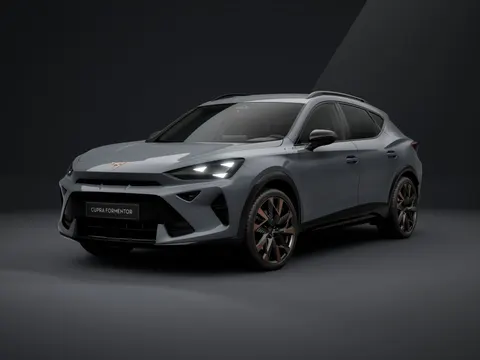
The plan in question is the EU's 'Made in Europe' framework, and its fine print is already unnerving global auto suppliers. Cars imported from Japan would not qualify for EU subsidies at all, while models built in France, Portugal and Eastern Europe would benefit only if enough of their parts come from Europe. South Korean automakers, meanwhile, are watching closely to see where the new rules will leave them. The principle is as simple as it is radical: build here, source here — or forfeit the cheque.
Lithuania is watching just as intently. According to reports, the country anticipates what comes next from the European Union, and Deputy Transport Minister Lukas Paskevicius has spoken on the EU's plans. For a nation whose automotive footprint rests on parts, logistics and services rather than assembly lines, the stakes are unusually pure: under the emerging rules, Eastern Europe only benefits if enough of each car's content is European. Geography alone will not carry Vilnius — its suppliers have to be written into the bill of materials.
That is precisely where this year's €2.4 billion stings. If a national government can allocate that much for purchases inside its own borders without a single order landing on a local desk, there is little reason to assume EU subsidies will rain down on Eastern Europe by default. The stagnation of Lithuania's military-industrial complex — left without state investment even as procurement billions flowed through the system — reads as a warning to the country's wider manufacturing base: proximity is not participation, and policy money follows whoever is genuinely inside the supply chain.