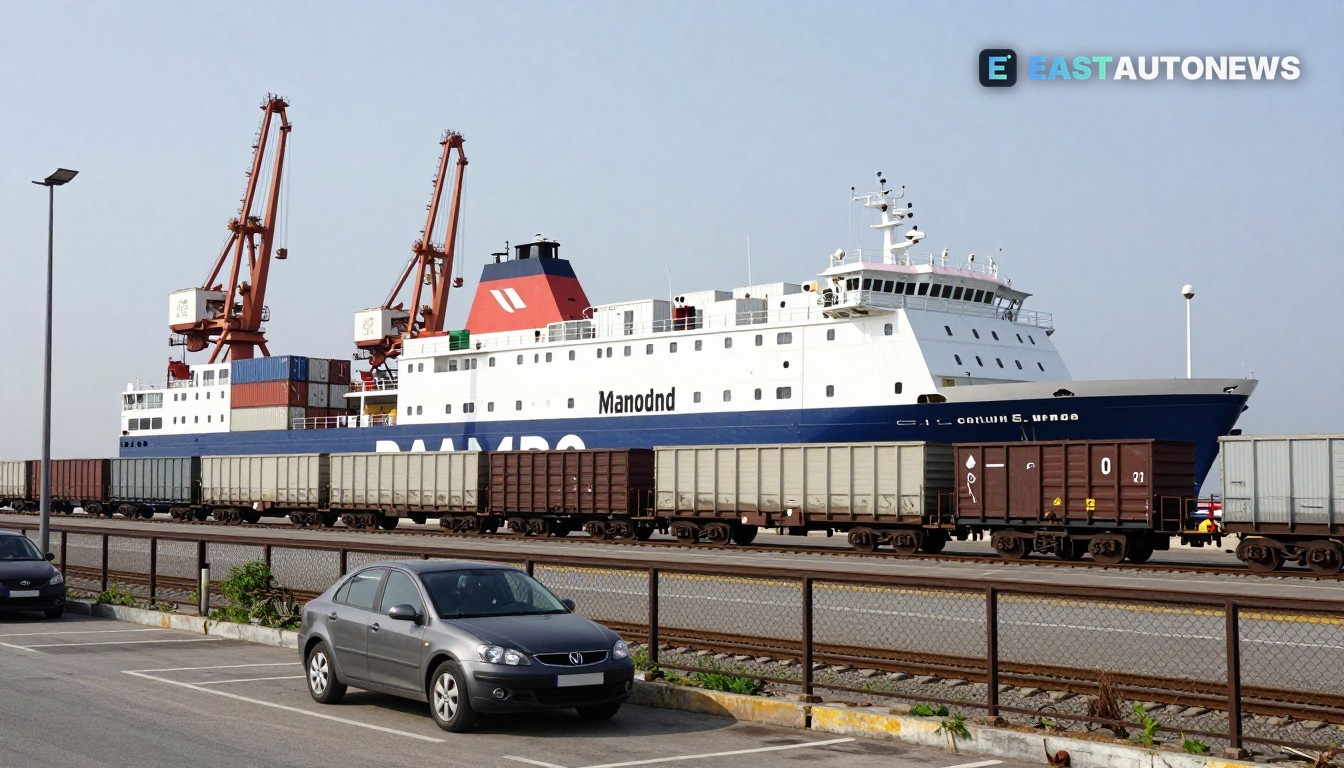
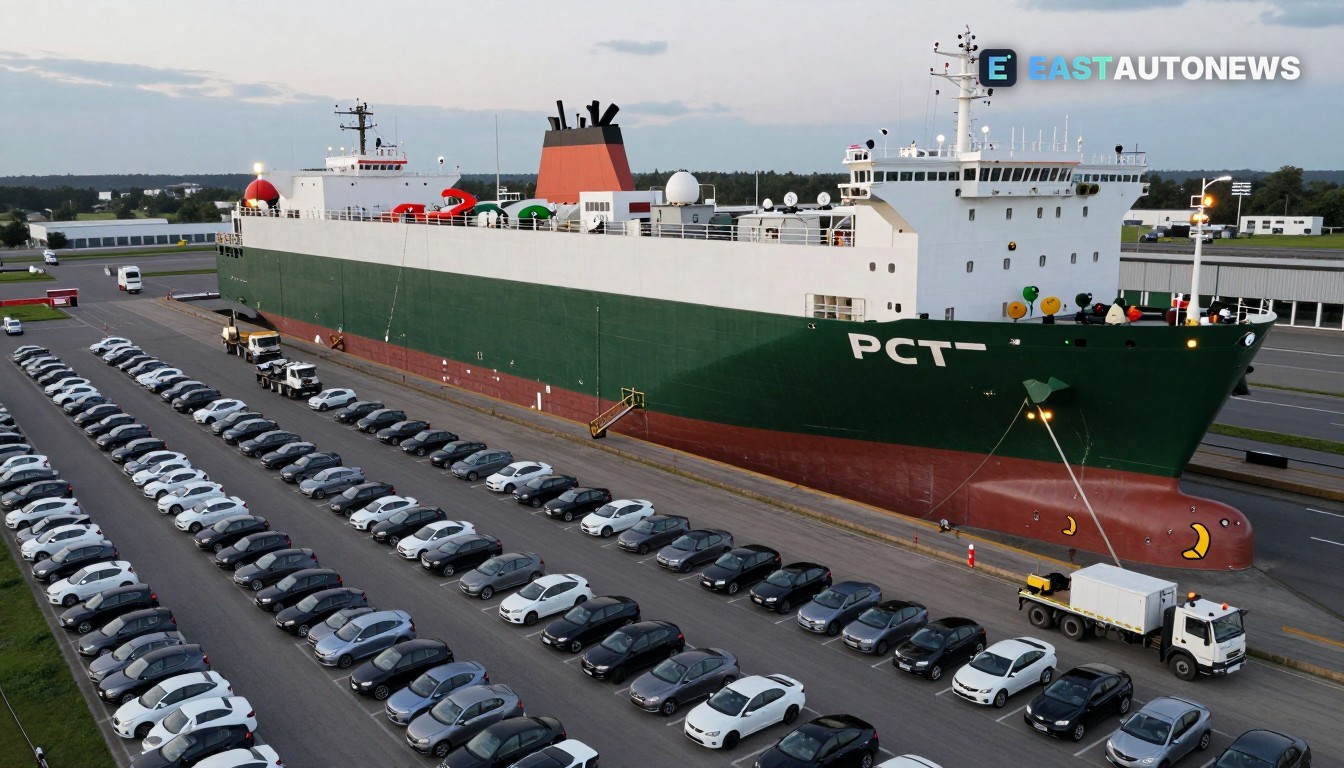
The future of trade infrastructure in Europe is connectivity — and the Adriatic is where that thesis is being put to work. As Cyprus Shipping News reported in late October, the Maersk facility in Kukuljanovo, near Rijeka, provides warehousing, distribution and value-added logistics services that support customers across Central and Eastern Europe. For the automotive trade, that bundle matters: import flows are increasingly judged not by port throughput alone, but by how quickly and flexibly vehicles and parts can be pushed into multi-country hinterlands.
The demand base underpinning such networks is solid if unspectacular. In the latest global market tally cited by Izvestia — an update to the flatter European readings noted in earlier coverage — Western Europe posted 10.6 million cars, up 5.3%, while Eastern Europe edged up 0.6% to 3.4 million units. Japan (3.5 million cars, +1%) and Canada (1.5 million, +0.7%) recorded similarly symbolic growth, a reminder that in a low-growth environment distribution efficiency, not raw demand, is where margins are made.
On the supply side, China's passenger car exports in January-August 2026 were led by Russia and Brazil, with new energy vehicle exports seeing multi-point growth, according to Gasgoo. The UAE managed just 5.4% at 73,340 units, but the broader picture is diversification: China's NEV exports are finding support across Europe, South America, Oceania and Asia, signaling a shift toward multi-regional growth drivers. For CEE gateways, that spread means less reliance on any single corridor — and a stronger case for flexible, connected hubs.
Policy is pulling in the same direction. The EU's 'Made in Europe' plan is unnerving global auto suppliers, Tempo reports: cars imported from Japan would not qualify for EU subsidies, while models built in France, Portugal and Eastern Europe would. Japanese carmakers, which build several of their models in European factories, could also lose out under the fine print. If the rules land as drafted, production — and the logistics activity wrapped around it, from inbound parts to outbound finished vehicles — shifts further inside the EU's borders, with Eastern European-built models among those still qualifying for support.
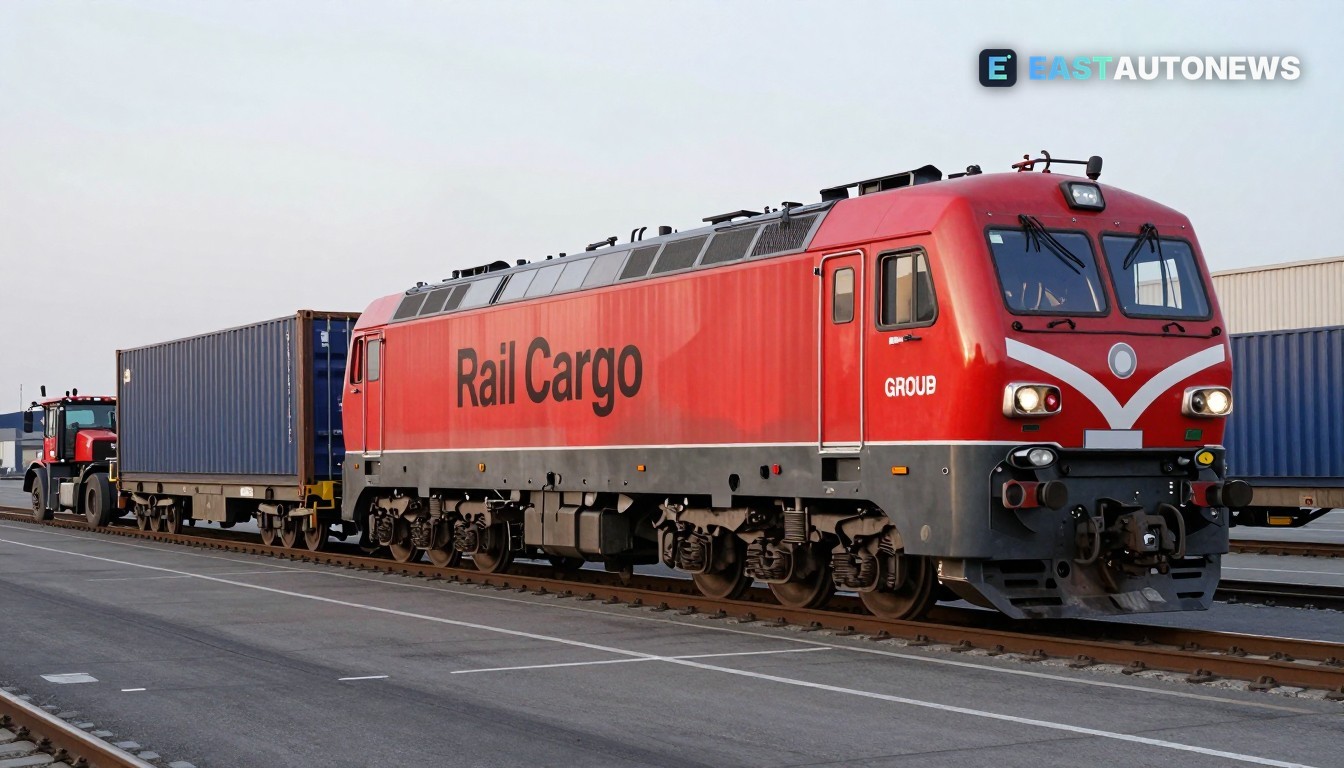
For trade and logistics operators, the takeaway is that connectivity is becoming the region's core product. A facility like Kukuljanovo can serve a multi-country customer base only if road, rail and port links hold up their end of the bargain. As sourcing patterns tilt under 'Made in Europe' and Chinese exports fan out across regions, the corridors linking the Adriatic to Central Europe's dealer lots will carry a growing share of the sector's value.
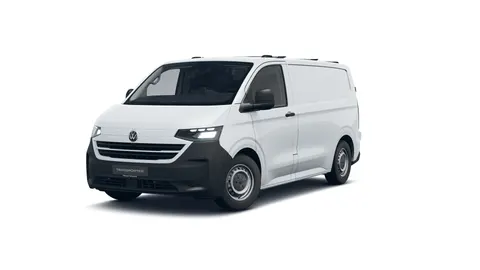
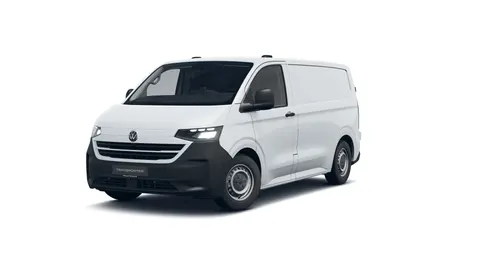
Connectivity, in the end, rides on hardware. Dealers and fleet operators looking to renew the vans, transporters and trucks that keep corridors like Rijeka's moving can compare commercial vehicles among more than 70,000 listings at WorldTrader24, Europe's marketplace where buyers find sensational vehicles at sensational conditions.