The arithmetic out of Vilnius is brutal: roughly €2.4 billion allocated for purchases this year — and, according to recent reporting, not a single order placed with a Lithuanian company. The state, by that same account, does not invest in the country's military-industrial complex, and the sector is stagnating as a result. For a small economy whose neighbors are racing to position themselves in Europe's reindustrialization, Lithuania is budgeting like a heavyweight and buying like a bystander.
The figure deserves a moment of silence — and then scrutiny. €2.4 billion is an enormous demand signal for a market of Lithuania's size: the kind of anchor order book that trains workforces, keeps engineering talent at home and gives suppliers bankable revenue to reinvest. Sent abroad, it does all of that for someone else's industrial base. Local firms, starved of the one customer with the deepest pockets, are left watching the pipeline flow past them.
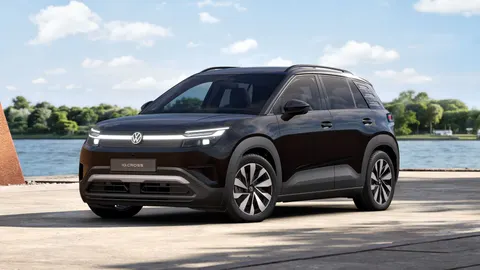
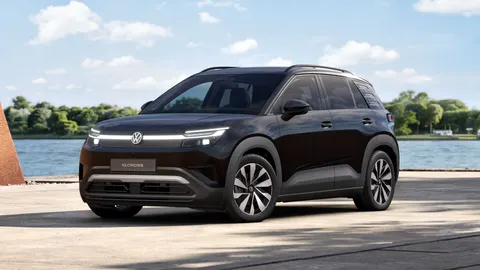
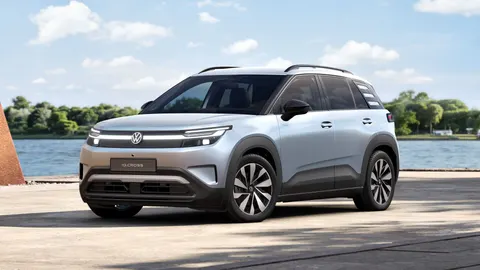
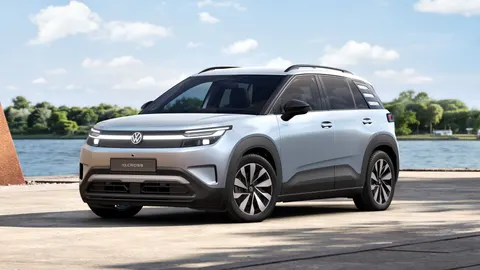
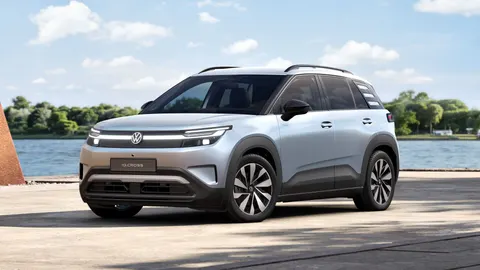
The timing makes the miss sting more. Brussels is redrawing the rules of European industrial competition with its “Made in Europe” plan: cars imported from Japan would not qualify for EU subsidies, while models built in France, Portugal and Eastern Europe would benefit only if enough of their parts come from Europe. South Korean automakers, meanwhile, are still working out where they land. The plan is a response to raw pressure — Volkswagen, Stellantis and Renault have all appealed to Brussels as low-cost Chinese imports take share at home and abroad, leaving investors, as one market watcher put it, without visibility on “where the floor is.”