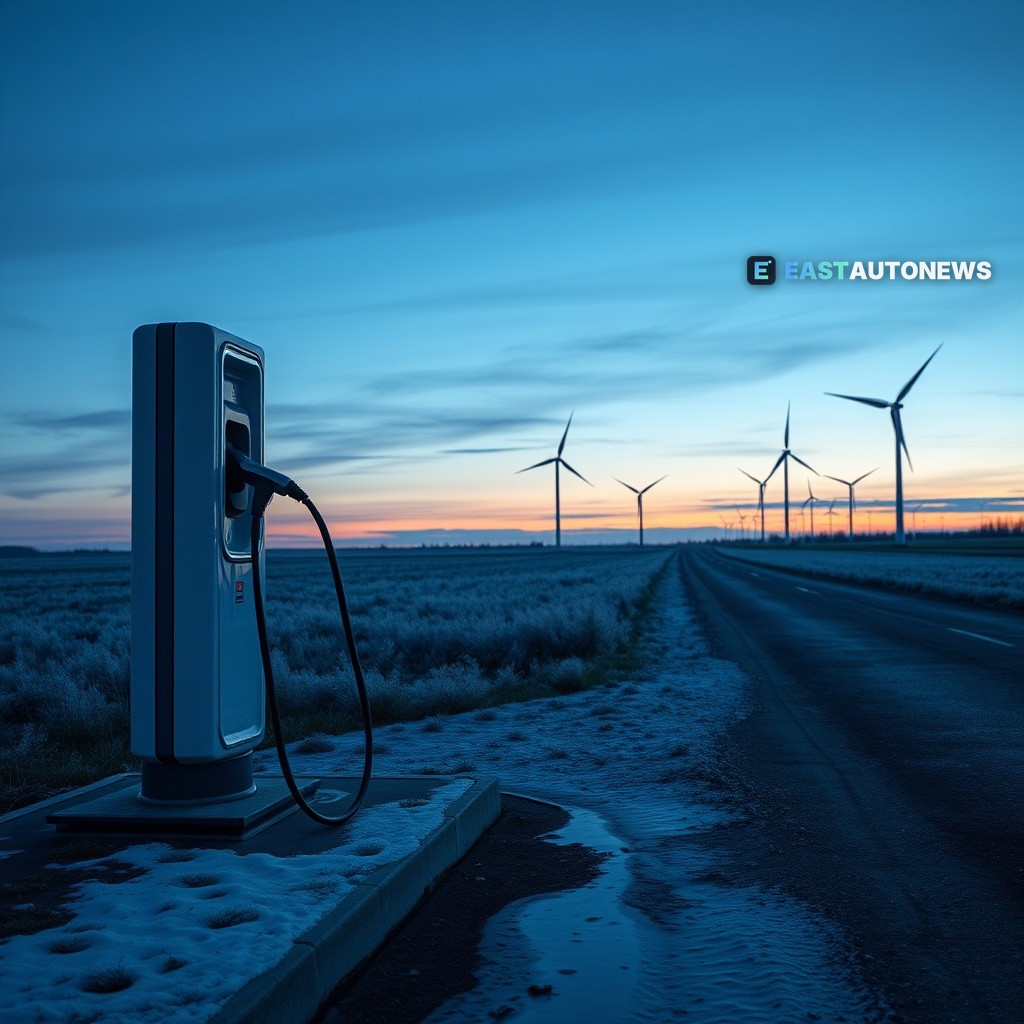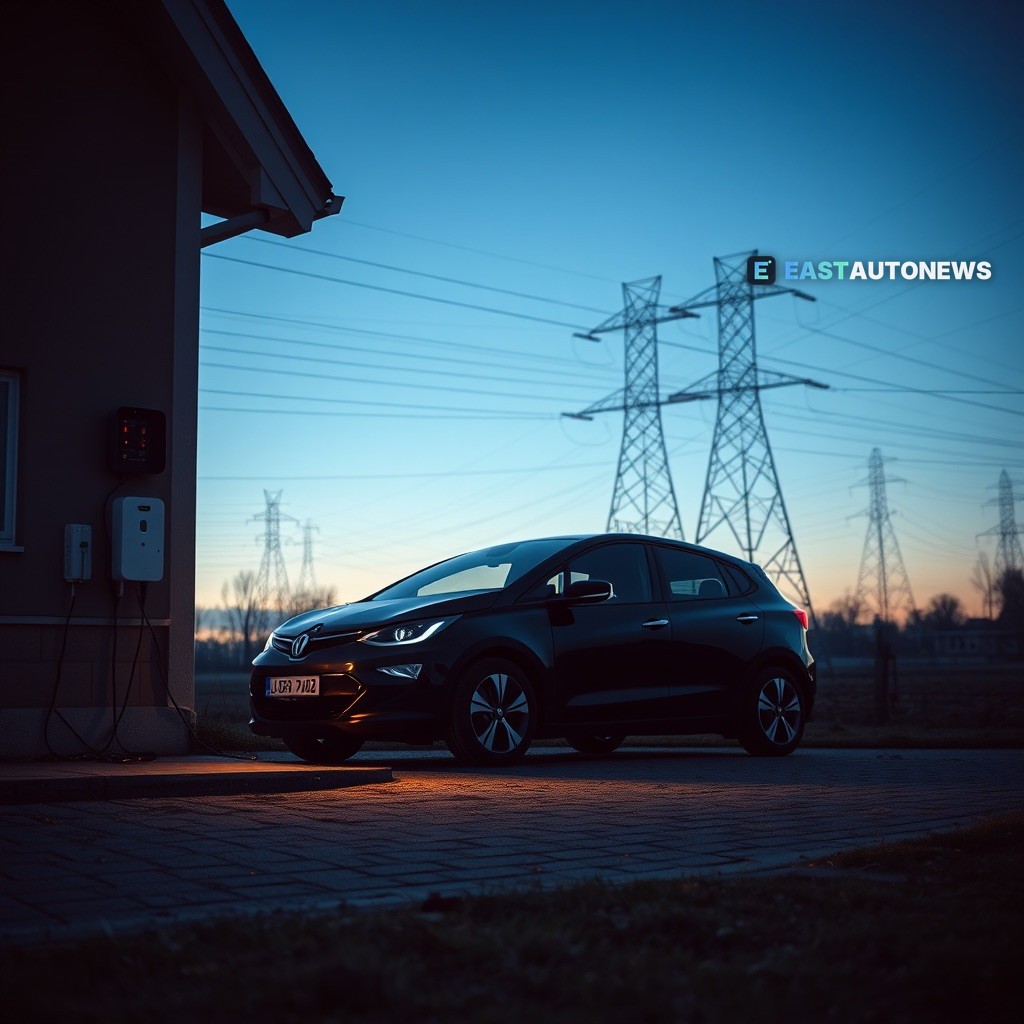
Smart charging could cut the bill for preparing Europe's power grids for electric vehicles by 40%, according to a new study — a finding with particular weight for Eastern Europe, where EV uptake is forecast to grow faster than anywhere else on the continent, albeit from a lower starting base.
The study, reported by TimesLIVE this week, puts the greatest investment requirement in Germany, followed by the countries that already run significant EV fleets: Norway, Belgium and the Netherlands. Smart charging — technology that manages when and how EVs draw power from the grid — offers a route to absorbing the coming wave of electric cars without the heaviest network upgrades, trimming the overall cost by 40%.
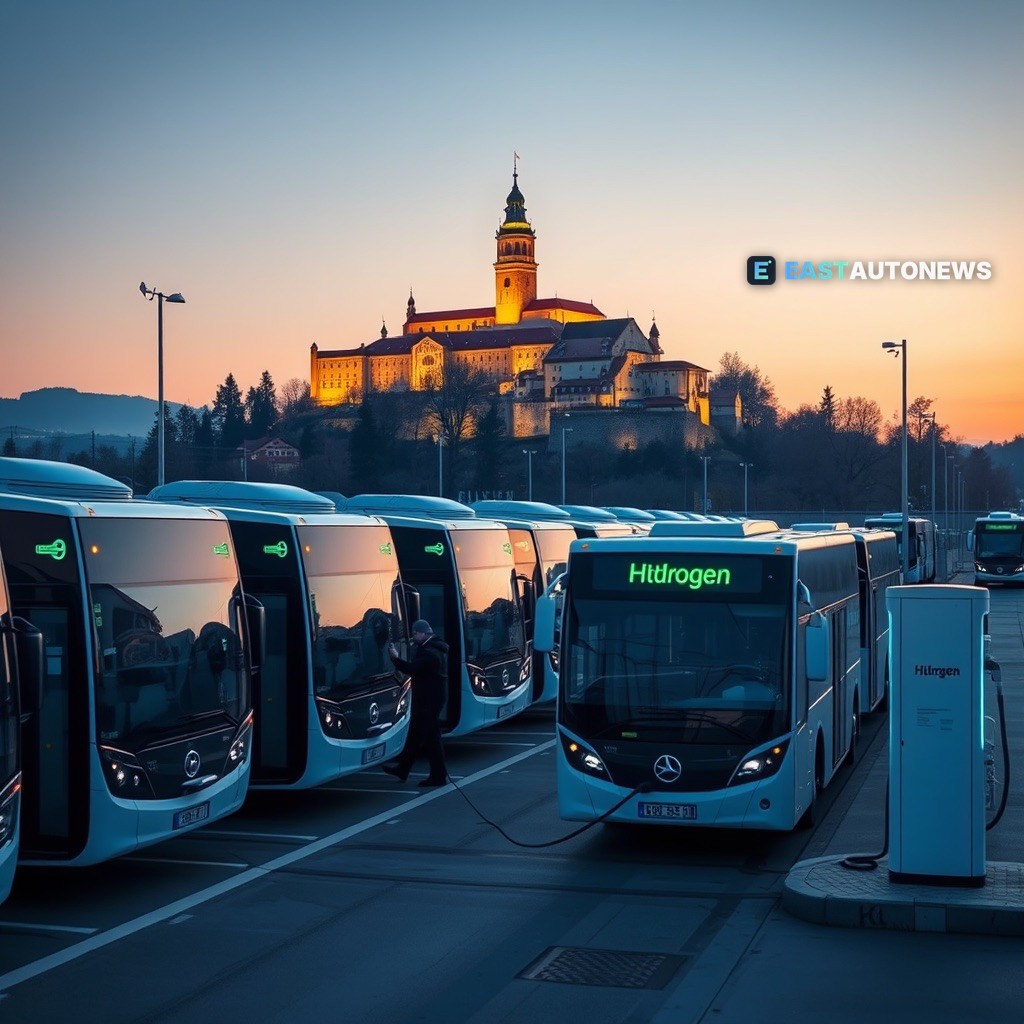
For Eastern Europe, the calculus is different. The region starts from a smaller EV base, but its growth curve is the steepest in Europe, the study finds — which means utilities, city authorities and charging operators still have a window to build smart charging in from the outset rather than retrofitting later at Western-style cost. That head start could spare the region the kind of grid bills now looming over its western neighbours.