Vilnius has decided that its energy transition should no longer move at the speed of its paperwork. Lithuania has approved a package of legislative reforms designed to revive renewable energy development, granting project extensions of up to 48 months, halving the guarantees developers must post and easing permitting requirements that had slowed the build-out. For a country racing to green its grid, the message to investors is unambiguous: the pipeline is being reopened.
The timing could hardly be more pointed. A recent study on European electrification finds that the fastest uptake of electric vehicles on the continent is expected in Eastern Europe — albeit from a lower base — and that cities deploying smart charging could cut their EV-related grid bills by as much as 40 percent. Lithuania is effectively wiring itself ahead of the wave: more renewable generation on one side, a fast-growing charging network on the other.
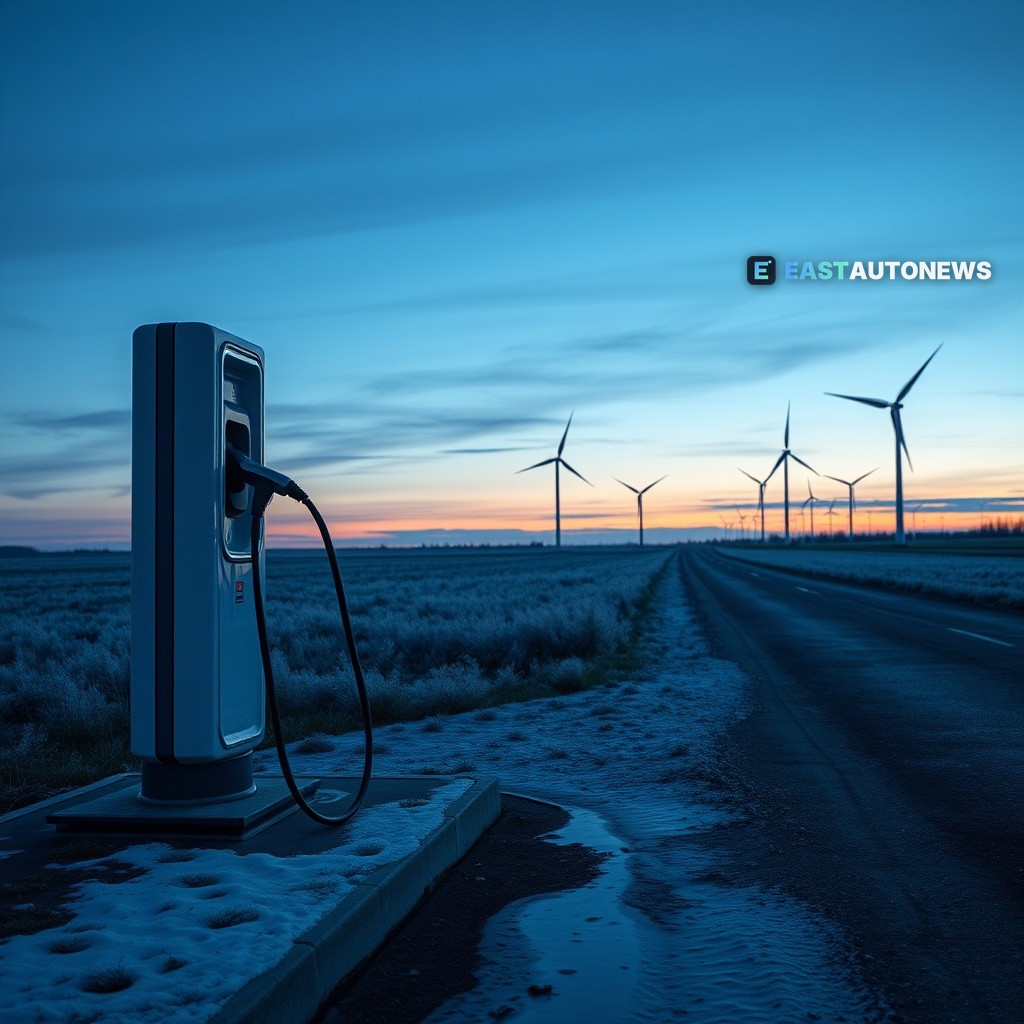
That charging network is already substantial. According to data compiled by Lithuanian comparison platform ikrovimo-kaina.lt, the country counts 1,901 public charging stations with 6,223 charge points, fast DC charging available at 866 stations and 404 of them rated at 150 kW or more. The same platform tracks every public network in the country, publishing per-kWh prices for both AC and DC charging — a level of transparency that keeps operators competing for every electron-hungry driver.
The competitive, multi-operator market that has grown up there may be exactly what Europe now needs. Mercedes-Benz has just concluded its direct infrastructure development business in the region, selling the European charging network it operated to France's Electra — a clear sign that automakers are stepping back from running chargers and leaving the field to specialist networks. In Lithuania, where numerous independent operators already vie for drivers on price and charging speed, that retreat validates a model that has quietly matured.