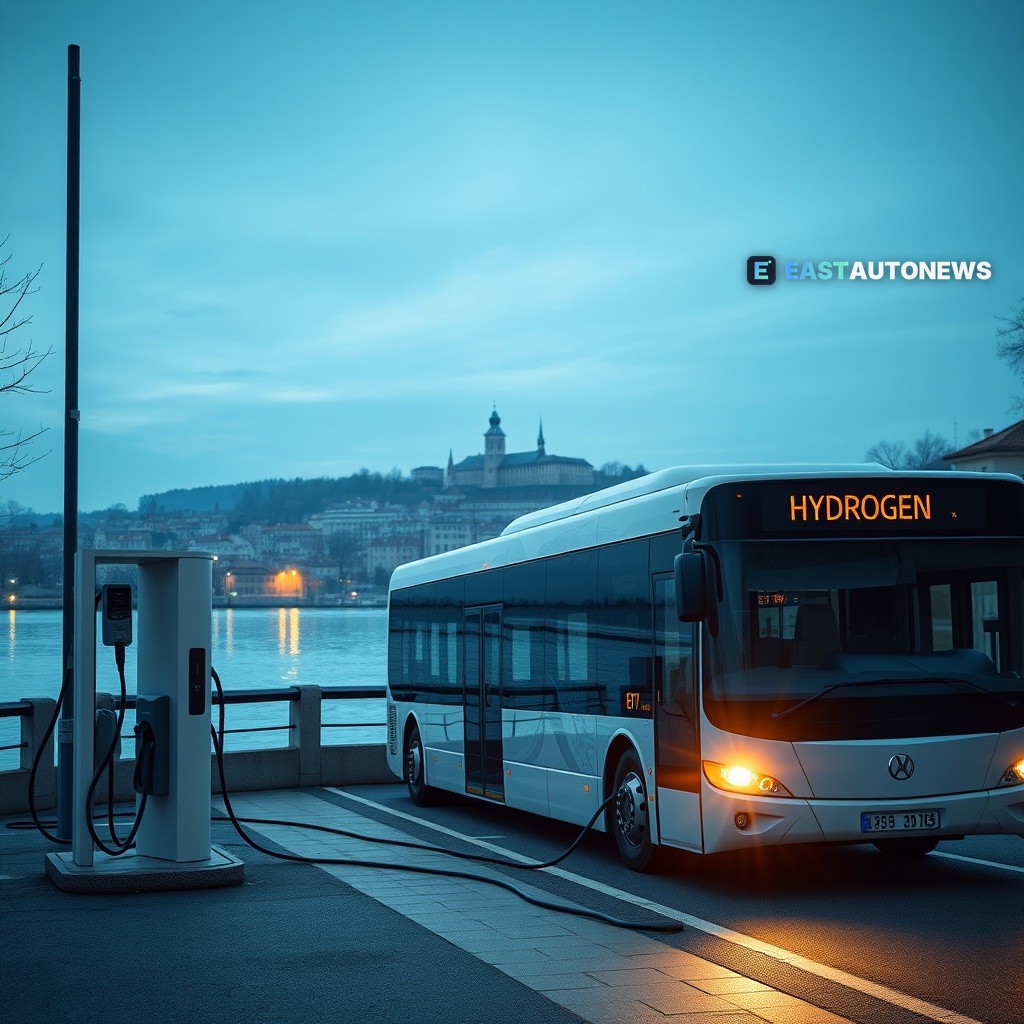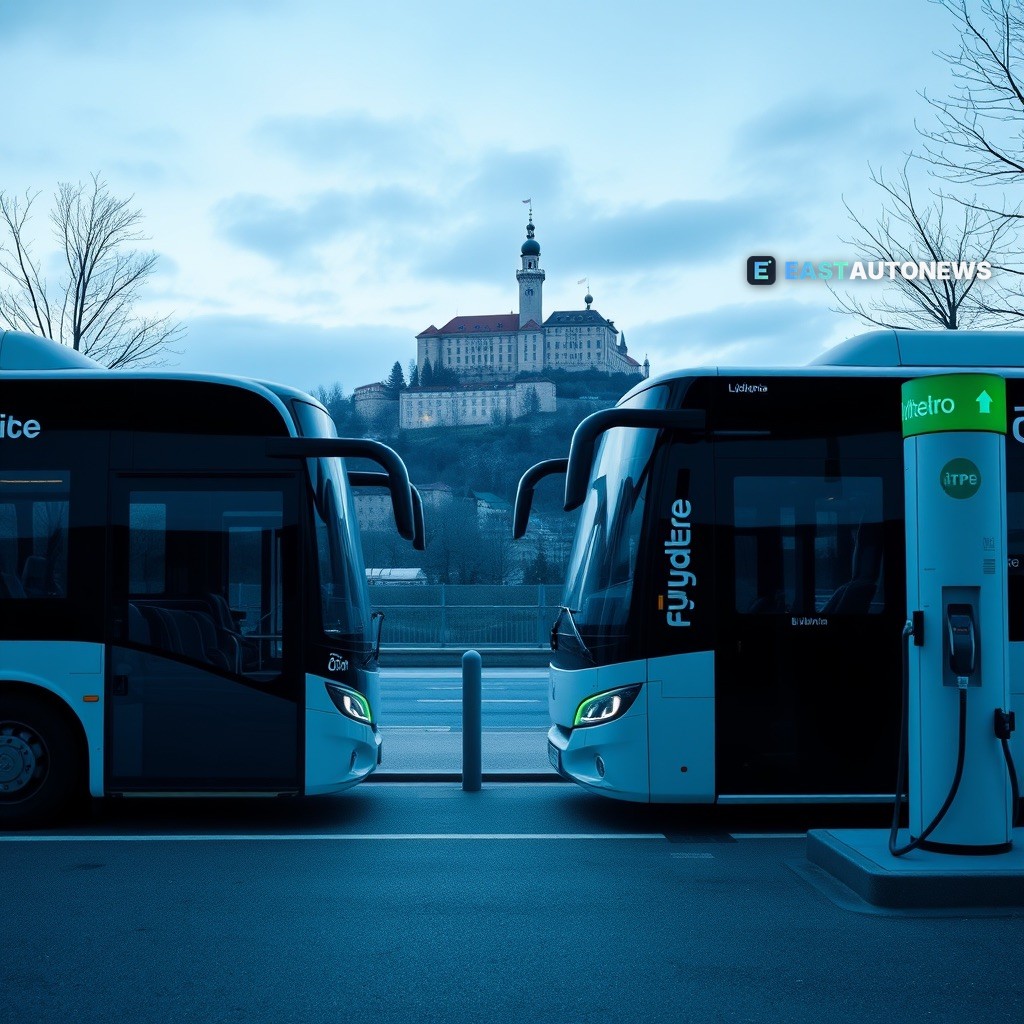
Something has shifted on Ljubljana's streets: 35 new Mercedes-Benz buses are now in service with municipal operator Ljubljanski Potniški Promet (LPP), and not one of them runs on diesel. According to Daimler Buses, the Slovenian capital has deployed 25 battery-electric eCitaros alongside 10 fuel-cell versions of the articulated eCitaro G, putting two zero-emission drivetrains to work side by side on the same network.
The split is deliberate. LPP is aiming to combine the advantages of both propulsion systems rather than stake the entire network on a single technology. The battery-electric eCitaro buses will be deployed on urban routes with predictable duty cycles and regular charging opportunities, where depot charging can keep them in steady rotation. The fuel-cell eCitaro Gs, meanwhile, give the operator a second energy pathway — one measured in hydrogen fills rather than charging windows.
Behind the scenes, the project demanded far more than a purchase order. LPP has established dedicated charging and hydrogen infrastructure and adapted its operational processes to accommodate the vehicles — a quiet but consequential overhaul for a mid-sized capital, and a reminder that fleet decarbonisation is as much an organisational project as a technological one.
The timing sharpens the picture. Slovenia's public charging economics have been tightening for private EV drivers: three Slovenian networks now add €1 per DC fast-charging session, a surcharge that adds five cents to every kilowatt-hour on a modest 20 kWh top-up. Against that backdrop, LPP's move to build energy infrastructure it directly controls looks less like a luxury and more like a hedge.