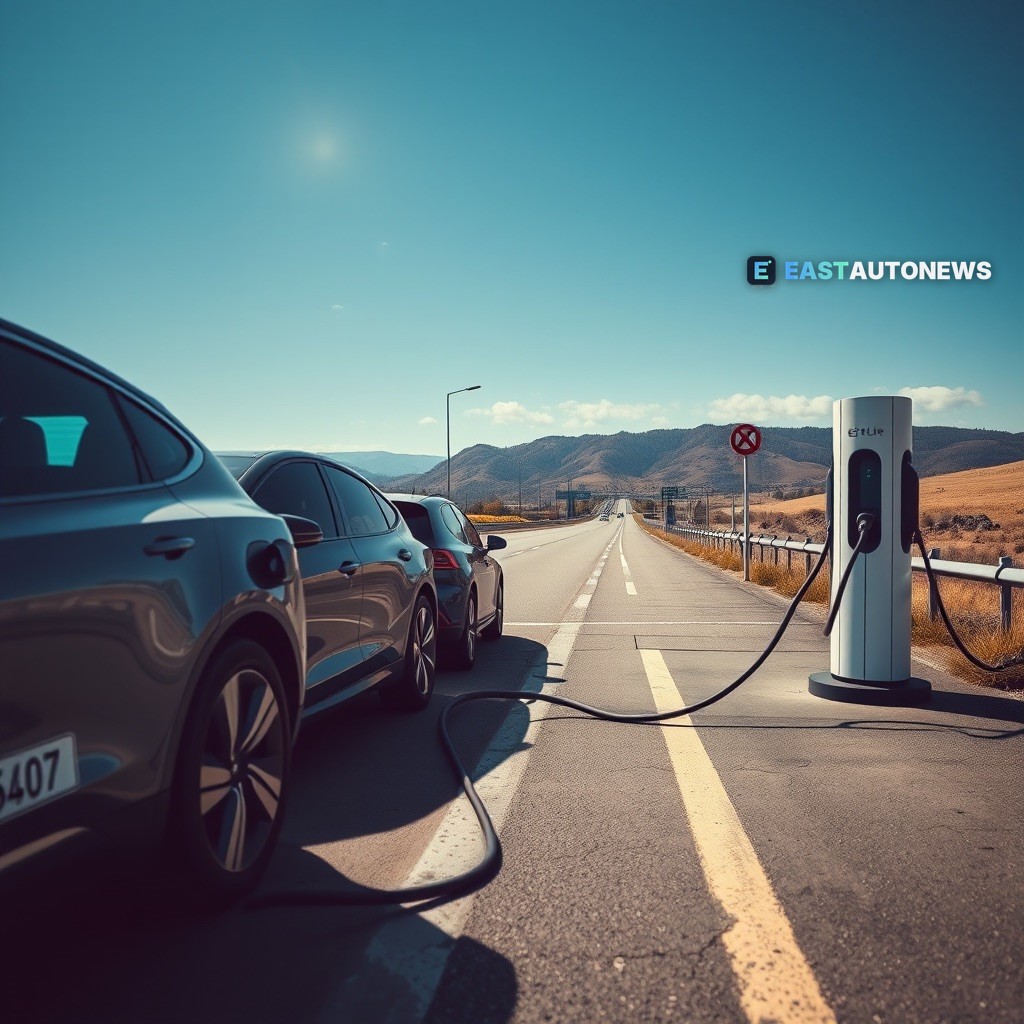
Electric vehicle sales are up in nearly every EU country, InsideEVs reports, and the segment could surpass hybrids very soon. The drivers behind the shift are well documented: expanding charging infrastructure, steadily increasing vehicle range, lower battery costs and growing environmental sensitivity among buyers — the same factors that continue to shape electric car adoption from country to country.
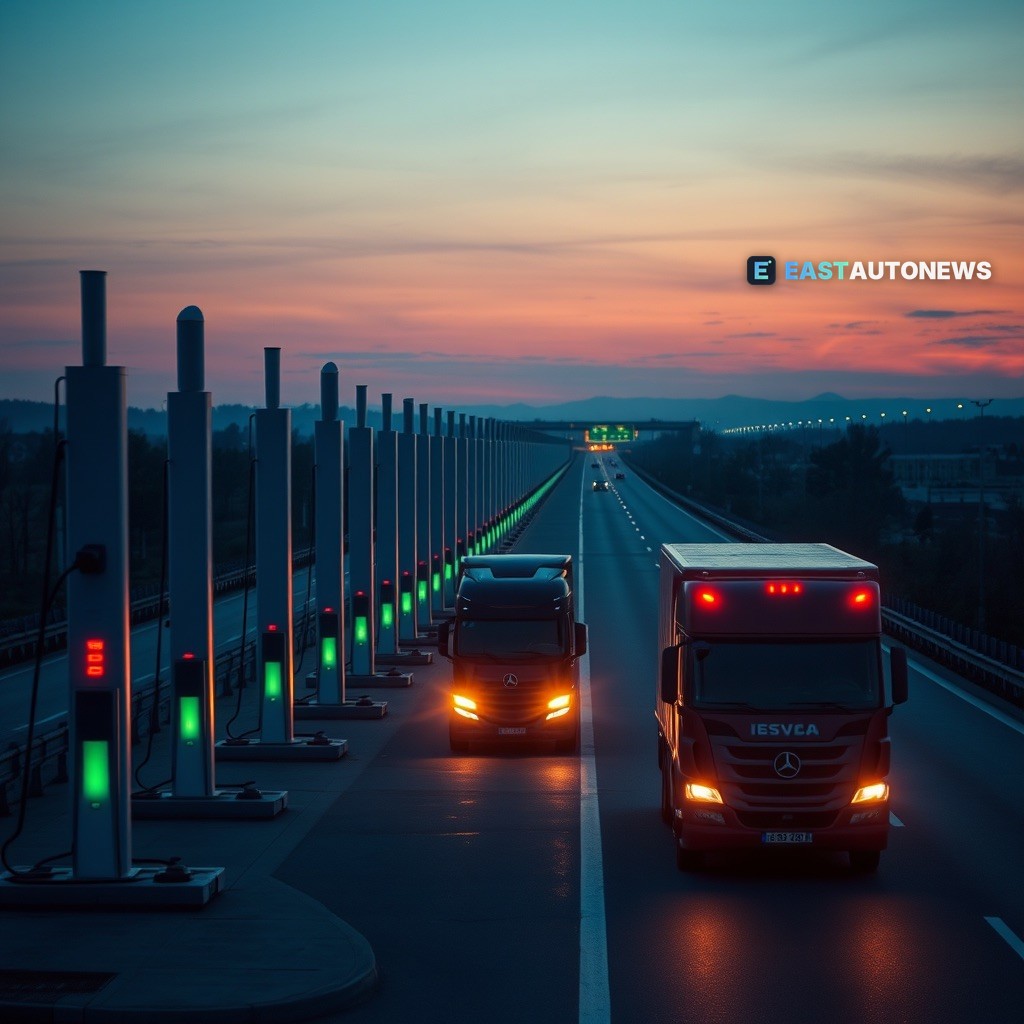
The charging build-out is scaling accordingly. Analyst firm Berg Insight, in figures carried by IoT Business News, projects the number of connected EV charging points in Europe and North America to reach 36 million by 2030. Growth, however, is no longer uniform: sales of electric vehicles and charging infrastructure have continued to rise, but at a slower and more uneven pace than earlier in the decade. The forecast does not contradict Europe's recently crossed threshold of 1.2 million public connectors, which EastAutoNews reported — it spans two continents and looks ahead to the end of the decade rather than capturing today's public network.
Eastern Europe is also staking a claim on the technology side. Latvia and the Netherlands are set to establish the EU's first centers for unmanned technologies, with the first two European centers planned for 2027. For the region's automotive sector, the move signals that unmanned and autonomous systems are graduating from pilot projects to permanent, institutional infrastructure — a development that sits naturally alongside the driverless-vehicle pilots already underway in the region.
Software, meanwhile, is becoming a battleground of its own. Only U.S.-built Teslas receive the Full Self-Driving package, InsideEVs notes, which has led some Korean owners of Chinese-built Teslas to unlock the feature illegally. The episode is a curiosity, but it underlines a serious point for the industry: where a car is built increasingly determines which features its owner can legally use, and much of a vehicle's value now lives in code.
For dealers, importers and fleet buyers across Eastern Europe, the direction of travel is clear. Electrified share is rising market by market, charging availability is expanding — unevenly, but expanding — and purchase decisions are shifting with it. Sales strategies built on a hybrid-dominant mix may need revisiting sooner rather than later.
For dealers restocking electrified inventory and buyers benchmarking an EV against a comparable hybrid, Europe's marketplace WorldTrader24 lists more than 70,000 vehicles. A side-by-side comparison of electrified and conventional models is the quickest way to see where the market is heading — and where the sharpest conditions are to be found.