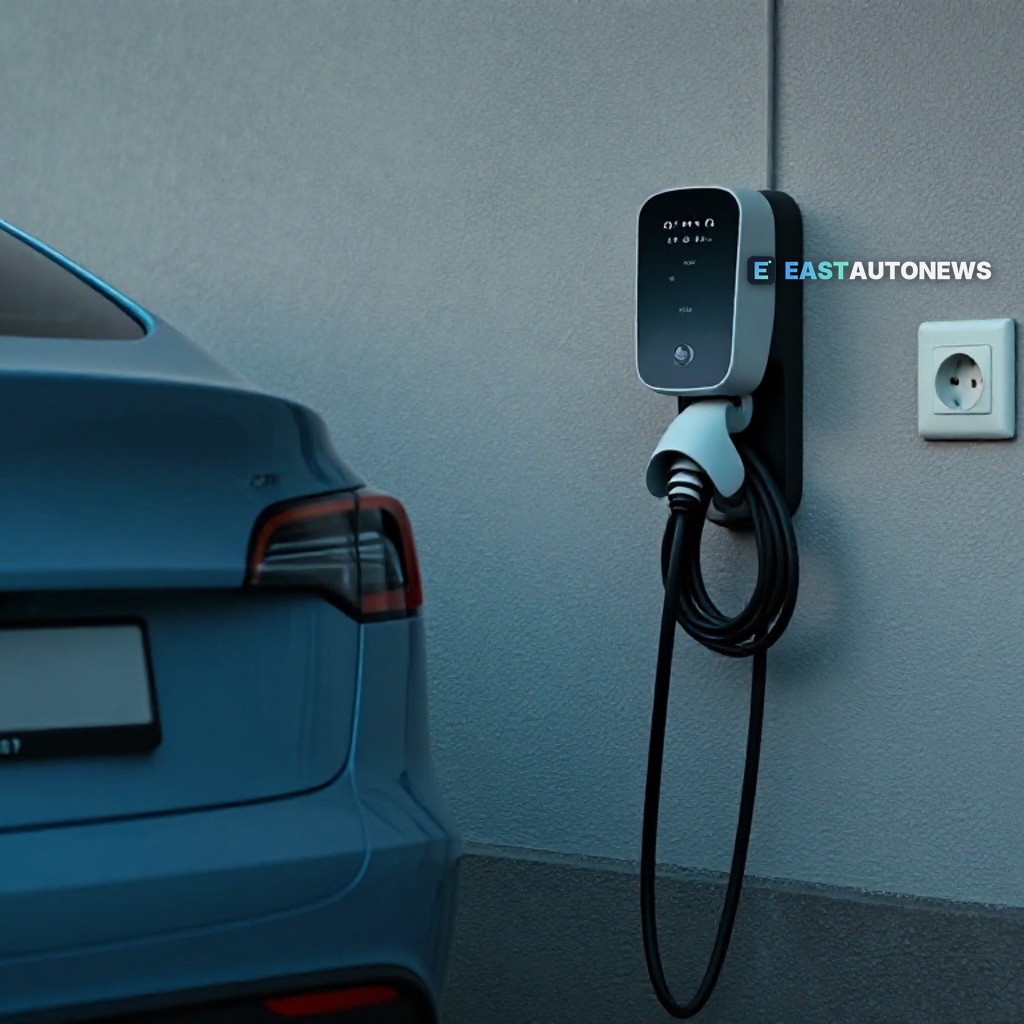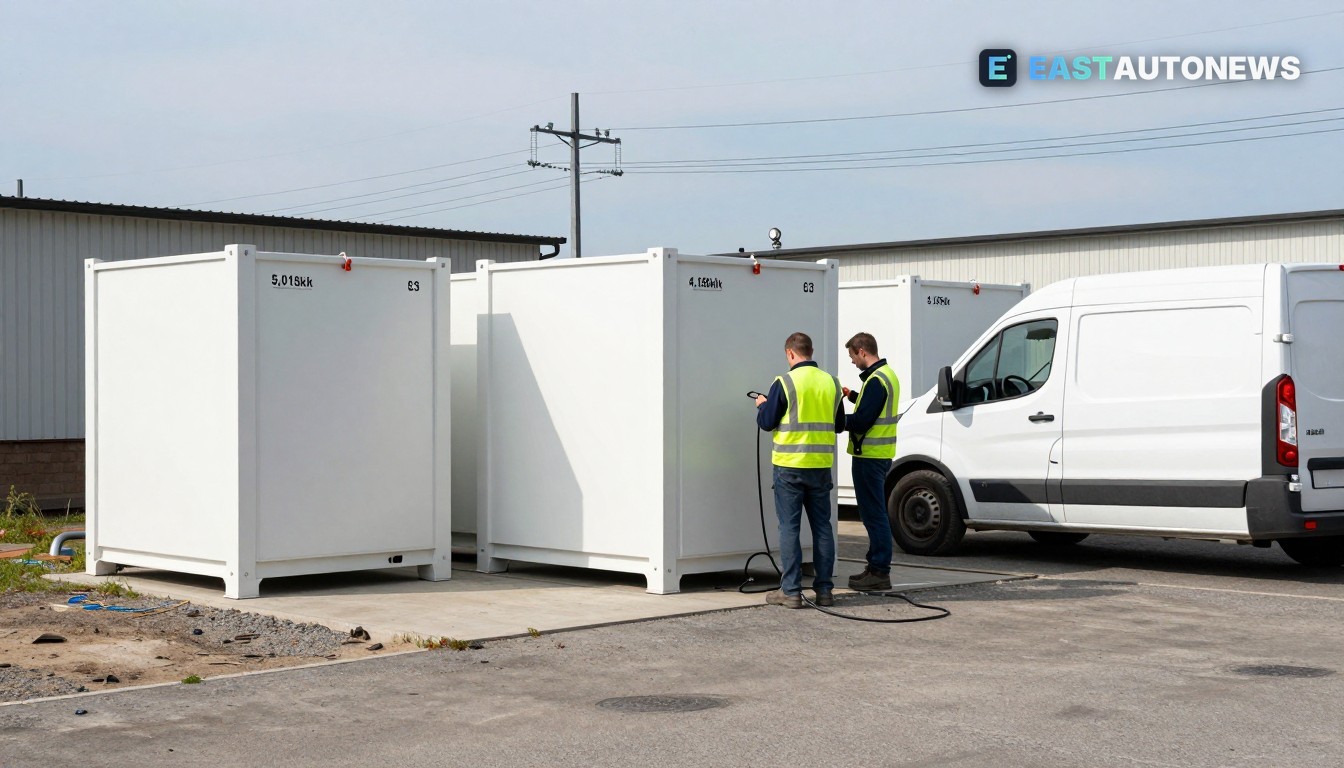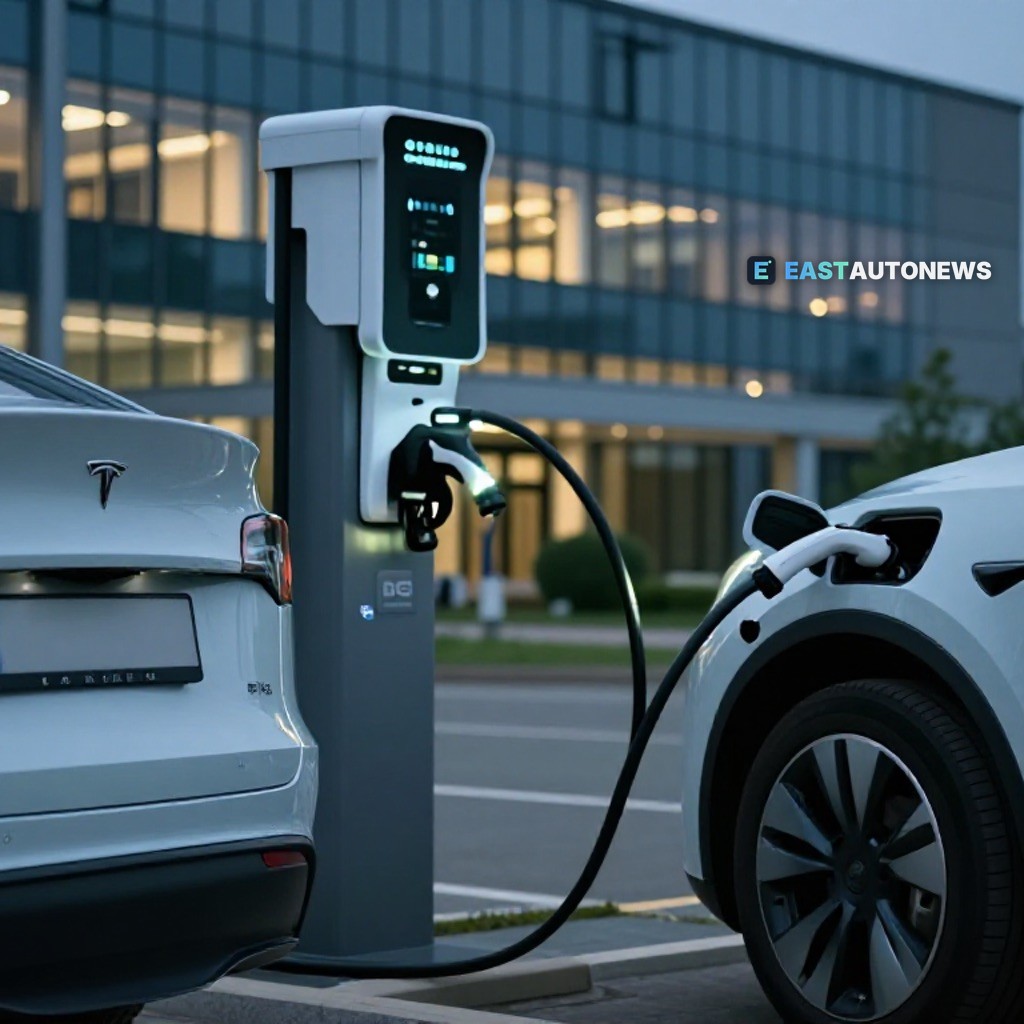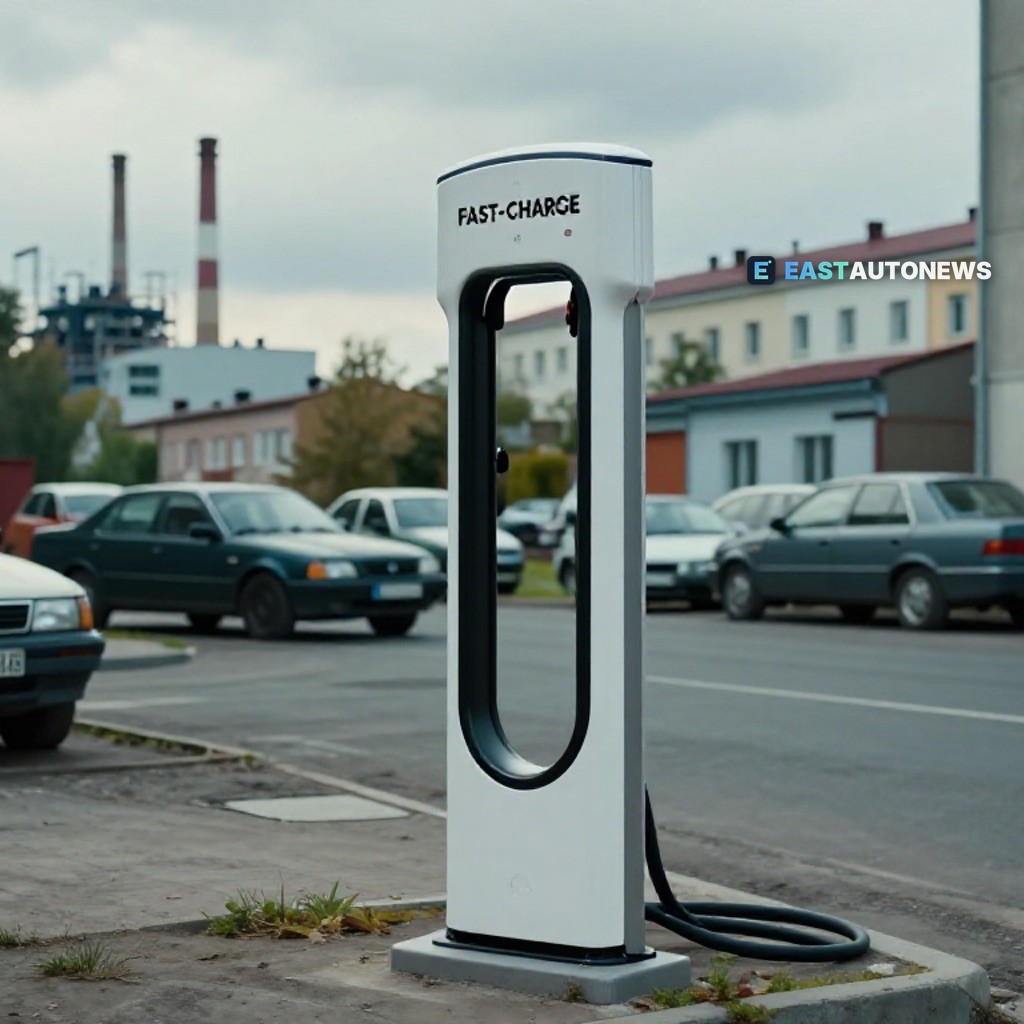
Brussels is clearing the administrative path for Europe's charging build-out. The European Parliament and the EU Council have reached a provisional agreement on a directive that will speed up permitting for electricity grids, storage and EV charging infrastructure, energynews.pro reports. For markets where charging projects have spent years stuck in approval queues, faster permitting could remove one of the last bottlenecks between EV ambition and EV reality.
The regulatory push matches a market that is scaling fast. According to a new EV Supply Equipment Market Outlook for 2026-2035, distributed via GlobeNewswire, the charging equipment market is expected to expand at a CAGR of roughly 22.7 per cent through the decade, reaching $350 billion by 2035. DC fast charging and policy investment are cited as the key growth drivers, supported by accelerating EV adoption, government-funded infrastructure and OEM-backed network expansion.
Demand, meanwhile, is holding up its end. ArenaEV reports 2.33 million EV sales in Europe year-to-date, a figure Chris Heron of E-Mobility Europe credits to regulatory certainty — and which he argues policymakers should not undermine. He has a point, though, as ArenaEV acknowledges, the politicians looking at the trade-offs have a case as well, leaving the pace of the transition a live debate rather than a settled question.
The European map, however, shows a divide that no one in Brussels wants to admit out loud. As europesays.com observes, Poland's electric vehicle uptake sits at a dismal 6.2 per cent, while the Czech Republic managed just 9.3 per cent. Buyers earning average wages cannot simply be forced into the technology — in Central and Eastern Europe, affordability will decide how fast the switch actually happens.
The technology itself is quietly making the case. Charged EVs points to five years of Ford Mustang Mach-E battery data that gives a clearer picture of real-world EV battery life, and to a German study finding that EV motors from China, Europe and the US differ mainly in details — evidence that the core engineering has matured and converged. For hesitant CEE buyers, that kind of hard data may matter as much as any subsidy scheme.
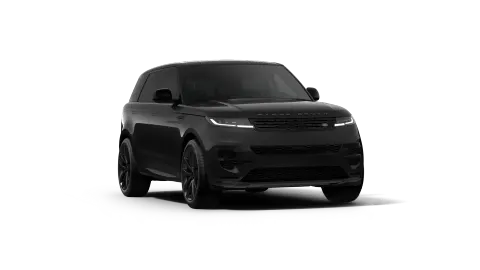
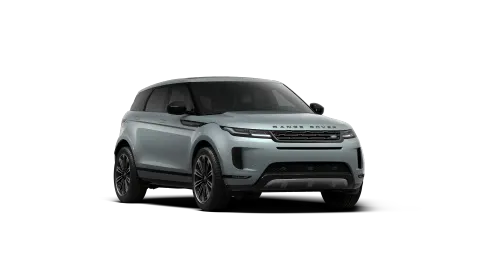
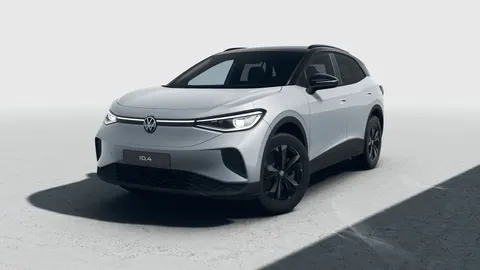
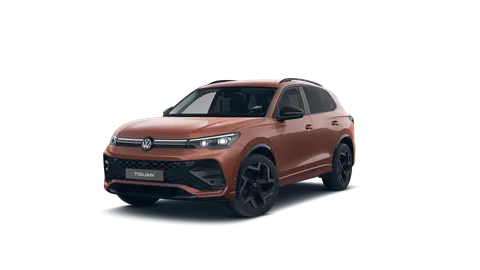
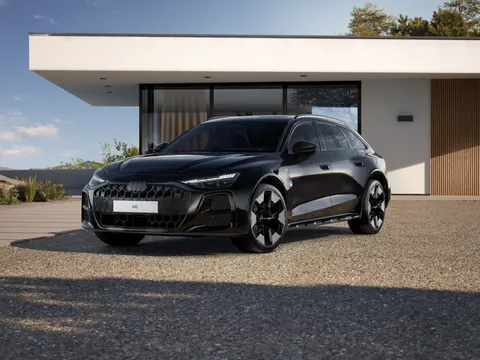
For buyers watching the charging map fill in, the practical question is where to find the right electrified model at the right price. Readers looking for a vehicle can find sensational cars at sensational conditions at WorldTrader24, Europe's marketplace with over 70,000 vehicles, where electrified models from across the continent can be compared side by side. Crossing borders to compare offers is one practical way CEE buyers can close the affordability gap on their own terms.