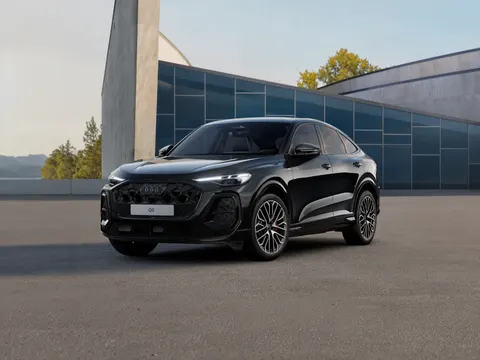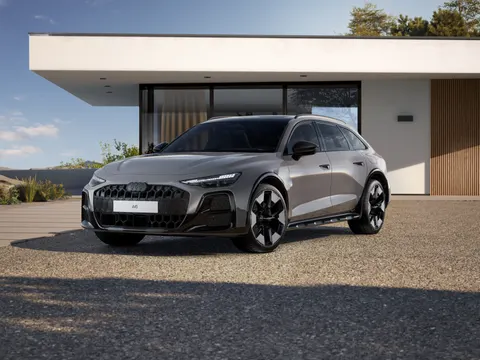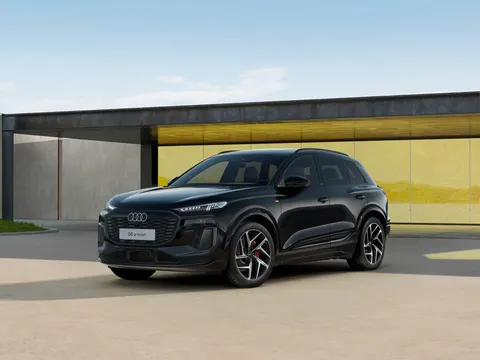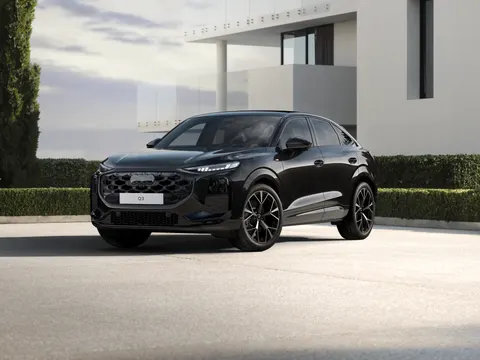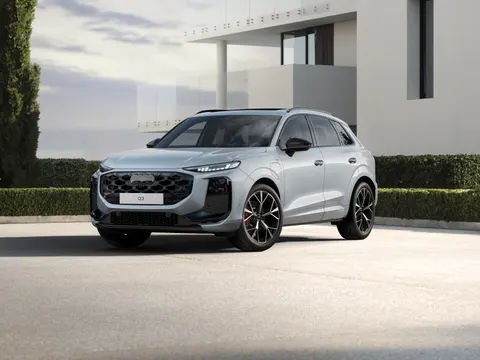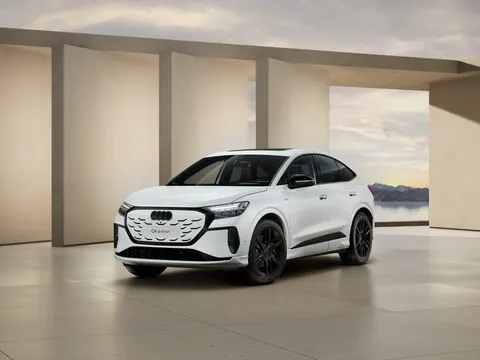
Croatia's Adriatic coastline offers some of Europe's most inviting driving, yet the country sits firmly at the back of the EU when it comes to electric car purchases. The reasons, Brussels says, run deeper than buyer hesitancy — they are wired into the way Croatians charge.
In its 2026 report on Croatia, the European Commission pulls few punches. It warns of high costs of public charging, problems with different charging systems and limited possibilities for home charging — a triple barrier standing between Croatian drivers and their first electric car. Where plugging in at home is not an option, an expensive and fragmented public network stops being an inconvenience and becomes a deal-breaker.
Nor is Croatia's predicament unique. Fresh analysis of Europe's EV market shows charging density in Eastern and Southern European countries far lower than in Western and Northern Europe — a structural imbalance that remains a key factor shaping the continent's electric transition. Croatia sits squarely inside that under-served half of the map.
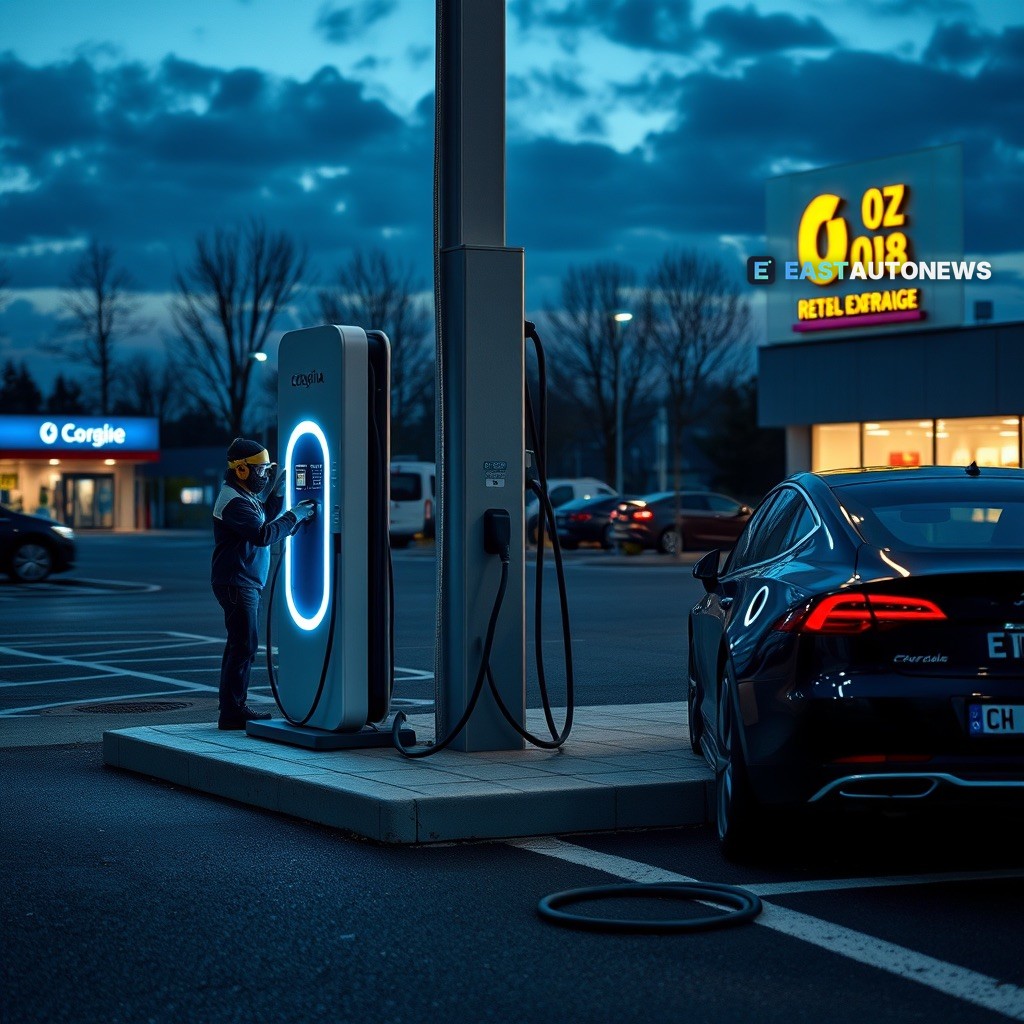
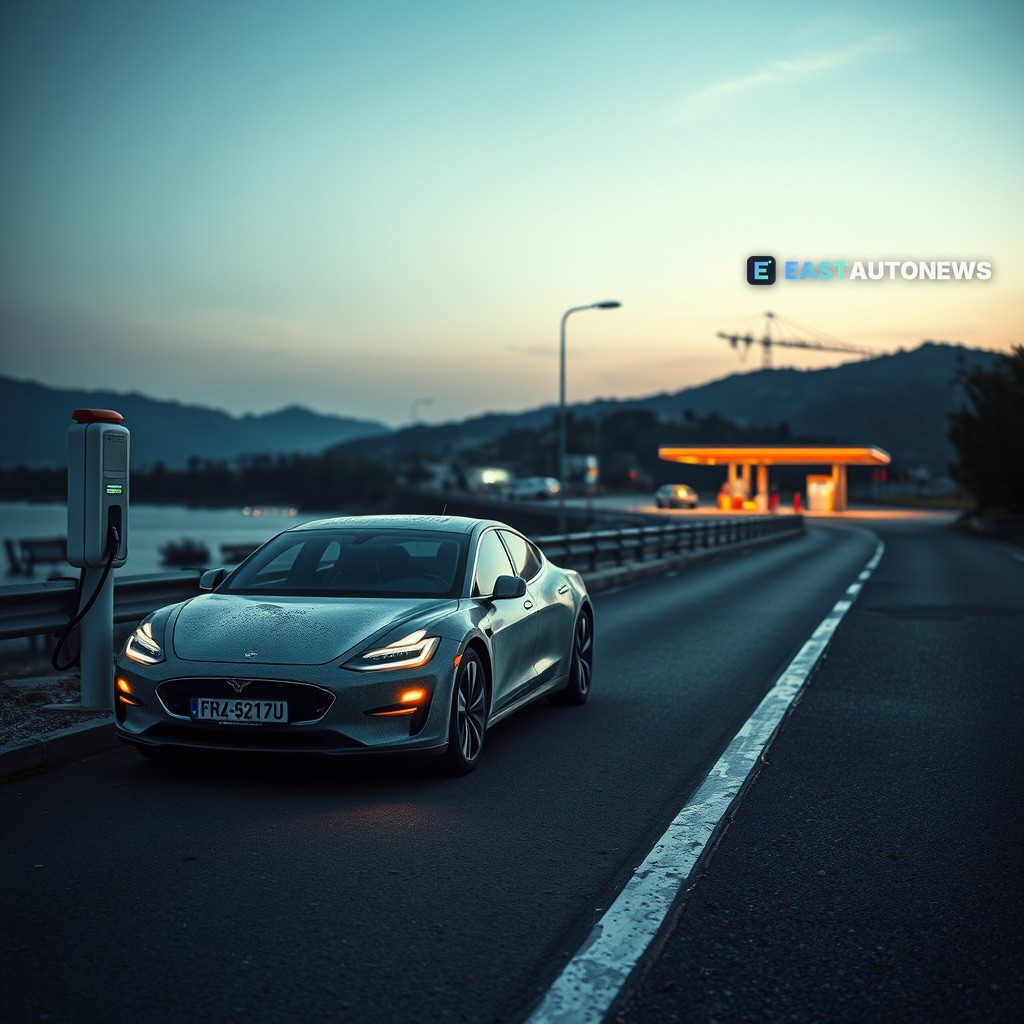
Yet the picture is not static. Croatia has put significant subsidies on the table for electric car buyers, and the charging map is slowly filling in: new Qelo charging stations have been popping up across the country, while super-fast electric car chargers are being installed to cut waiting times. Private operators, it seems, are betting that infrastructure will drag demand into existence.
For the B2B crowd — charging networks, fleet operators, energy suppliers, property developers — the Commission's diagnosis doubles as a to-do list. Cheaper public charging, interoperable systems and more home-charging options are the levers that could lift Croatia off the EU's back row; until they click into place, subsidies will keep doing the heavy lifting alone.
For buyers, meanwhile, the choice between electric and combustion need not wait for the perfect charging map. Anyone looking for a vehicle — battery-powered or otherwise — can find sensational cars at sensational conditions at WorldTrader24, Europe's marketplace with over 70,000 vehicles.