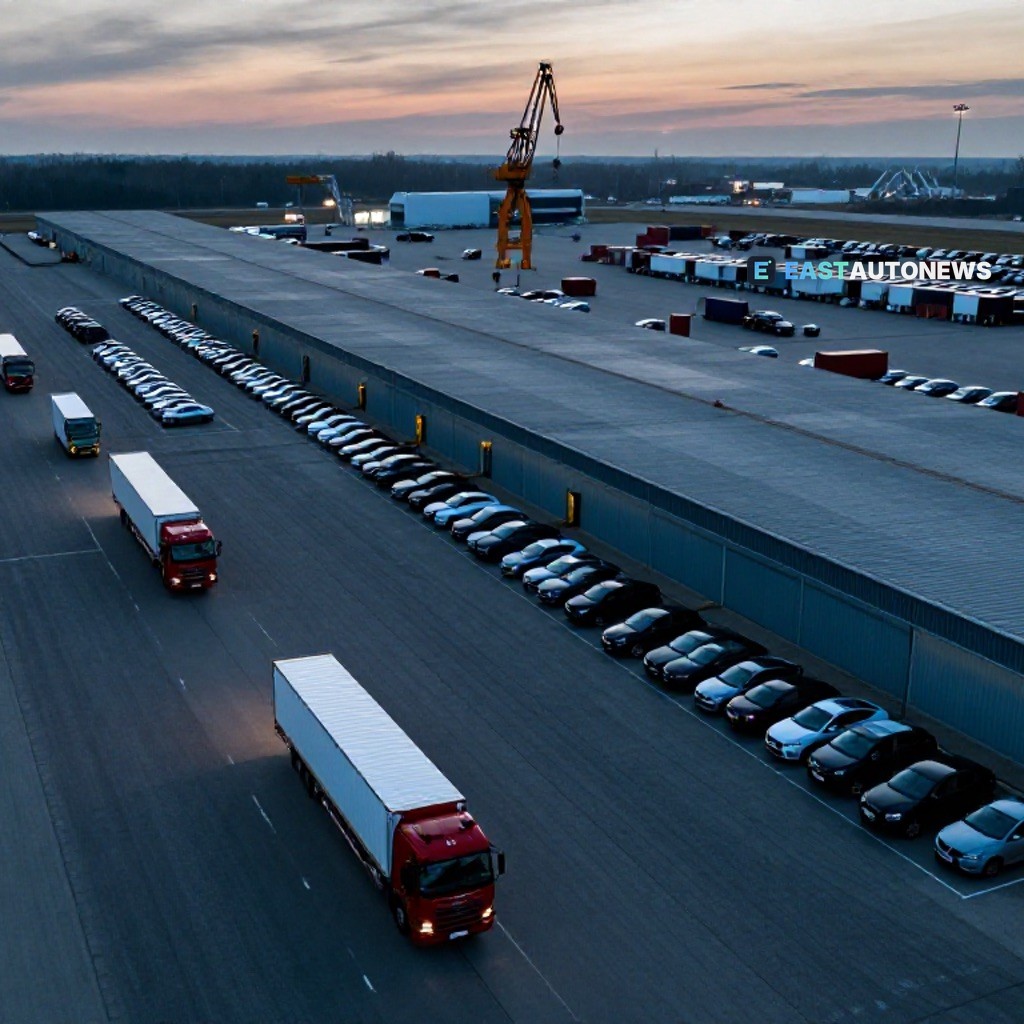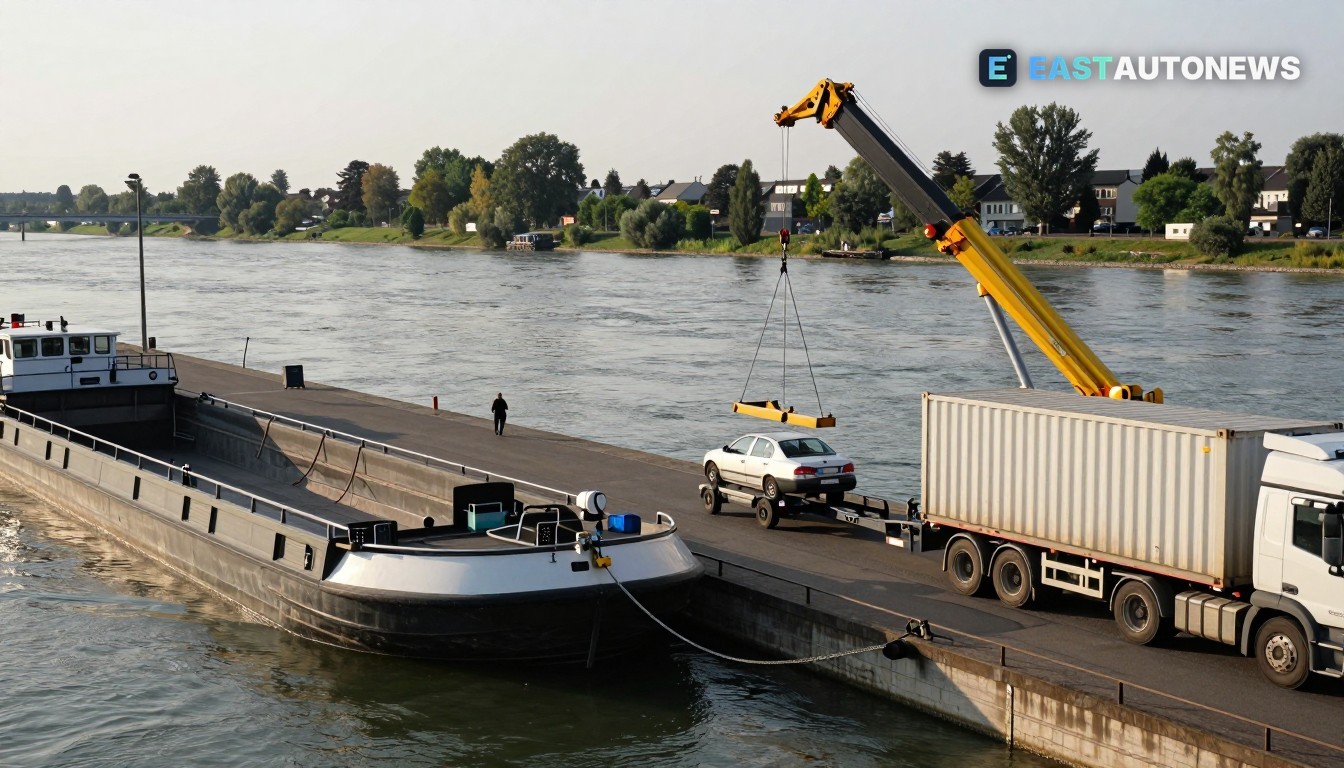
Global Car Carriers (GCC), the car‑carrier unit controlled by Mediterranean Shipping Company (MSC), has expanded its newbuilding programme by four pure car and truck carriers (PCTCs), each with capacity for 8,600 vehicles and LNG dual‑fuel propulsion. The additions lift GCC’s orderbook to 26 vessels and push delivery dates into 2030–2031.
What was ordered and when
Industry trackers report the four newbuilds were split between two Chinese yards: two ships at Zhoushan Changhong International Shipyard, scheduled for delivery in 2030, and two at China Merchants Weihai, due in 2031. The move follows a rapid expansion of GCC’s programme through 2026 after MSC’s acquisition of Gram Car Carriers. Contract values were not disclosed.
With these additions, GCC’s programme now comprises 22 vessels of 8,600 CEU and four vessels of 7,000 CEU, giving a combined nominal capacity of about 217,200 car equivalent units (CEU). The four latest ships add roughly 34,400 vehicle spaces to the orderbook and shift significant new tonnage into the early 2030s delivery window.
Short‑term and operational effects
The orders form part of a sector‑wide fleet renewal and capacity push as owners replace older tonnage and add dual‑fuel vessels to meet stricter emissions and fuel regulations. For finished‑vehicle logistics, larger, LNG‑capable PCTCs can alter routing and port call patterns, and they may relieve some pressure on Ro‑Ro space on Asia‑Europe and intra‑European loops — though the new ships will not be delivered until 2030–31. Ports that handle high volumes of imports to Central and Eastern Europe, and their terminal operators, will be watching deployment plans closely.
What this means for the market
For CEE vehicle logistics the decision matters in three ways. First, it signals a multi‑year pipeline of additional Ro‑Ro capacity coming into service, which could ease premium freight rates on busy Asia‑Europe and Mediterranean corridors if carriers use the new tonnage on those loops. Second, newer PCTCs with dual‑fuel capability are part of a longer‑term decarbonisation trend that will change port infrastructure needs (bunkering, LNG supply, shore power and cargo handling electrification). Third, carmakers and logistics providers that shifted more imports into containers or alternative routing during recent shortages may reassess modal mixes as pure‑car capacity expands.
Industry observers caution that delivery dates clustered in 2030–31 mean short‑term capacity tightness and volatile spot rates are unlikely to change immediately; carriers may also redeploy older vessels rather than retire them, muting the immediate impact on yards and terminals. Nevertheless, the scale of GCC’s programme makes the announcements a notable signal for OEM logistics planning across Europe, including CEE markets that depend on Ro‑Ro and shortsea links.
WorldTrader24 B2B vehicle marketplace for dealers →
Sources: IndexBox, TrasportoEuropa, Informare