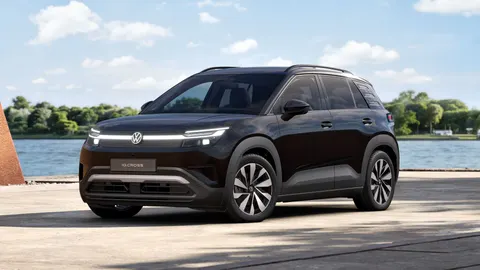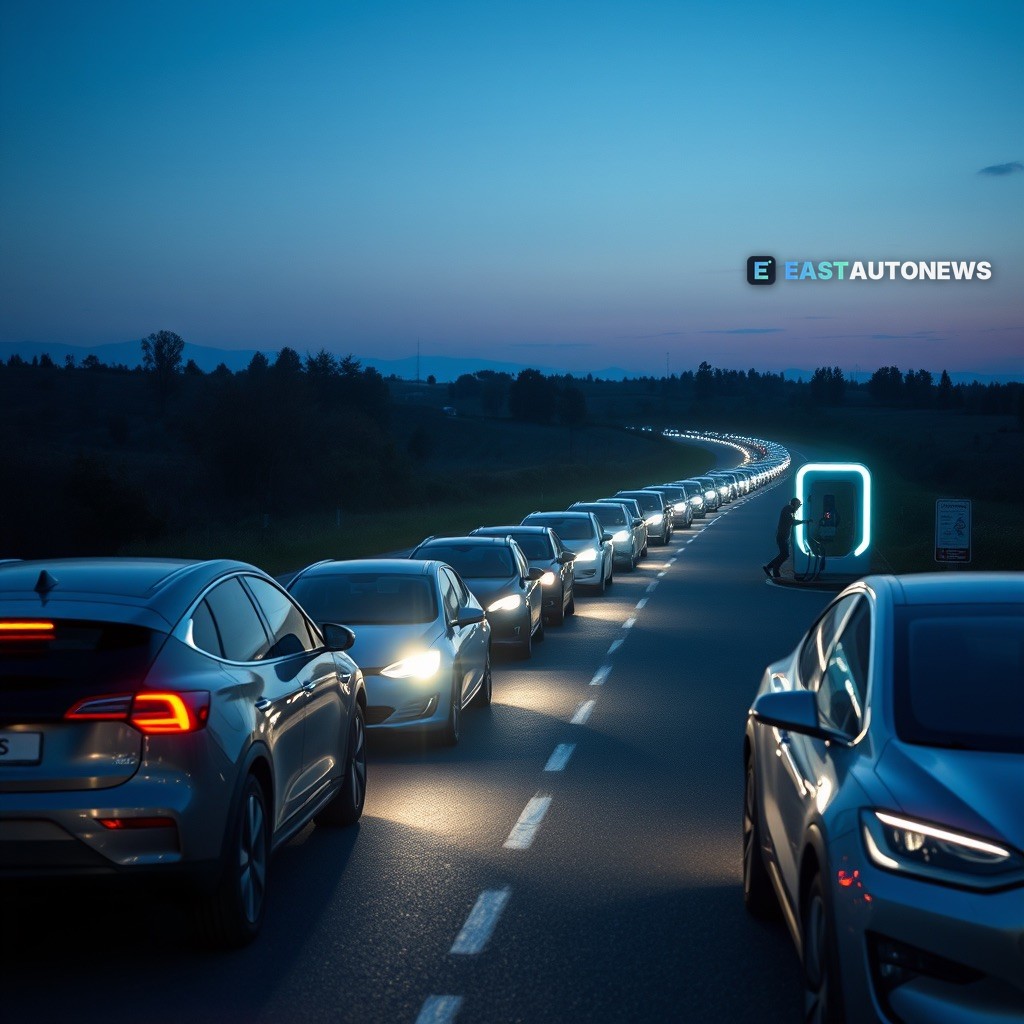
Serbia's roads are electrifying at a pace few in the Balkans saw coming. Electric vehicle registrations jumped 300% in 2026, lifting the national EV fleet to some 10,000 cars — all served by just 250 public chargers nationwide. That works out to roughly forty electric vehicles for every public charge point, a ratio that turns every successful sale into a potential queue at the plug.
The demand engine is no mystery. The state is backing the shift with hard cash: €5,000 toward every new battery-electric car, plus €500 for an electric motorcycle and €250 for a moped, with applications running through the eUprava portal until 1 December 2026. With the deadline now less than a month away, the scheme is effectively underwriting a surge that shows no sign of cooling — BEVs only, no hybrids need apply.
The macro tailwind makes the boom bigger still. The World Bank expects Serbian growth to accelerate to more than 3% in 2026 after a weaker 2025, powered by recovering consumption as inflation slows, the restart of key industrial activities, strong export performance and a rebound in services. Households and companies with renewed spending power are meeting generous incentives head-on — and the registration figures show exactly what happens when they do.