In Skalica, a Slovak border town where German precision engineering has long found a hard-working home, the coming years just got a great deal more uncertain. Schaeffler, the German automotive supplier, has unveiled a sweeping restructuring of its European operations — 3,460 jobs cut and five plants closed — and Slovakia sits squarely in the blast radius. The announcement, made in early November, lands in a country whose car industry is already struggling to find its footing.
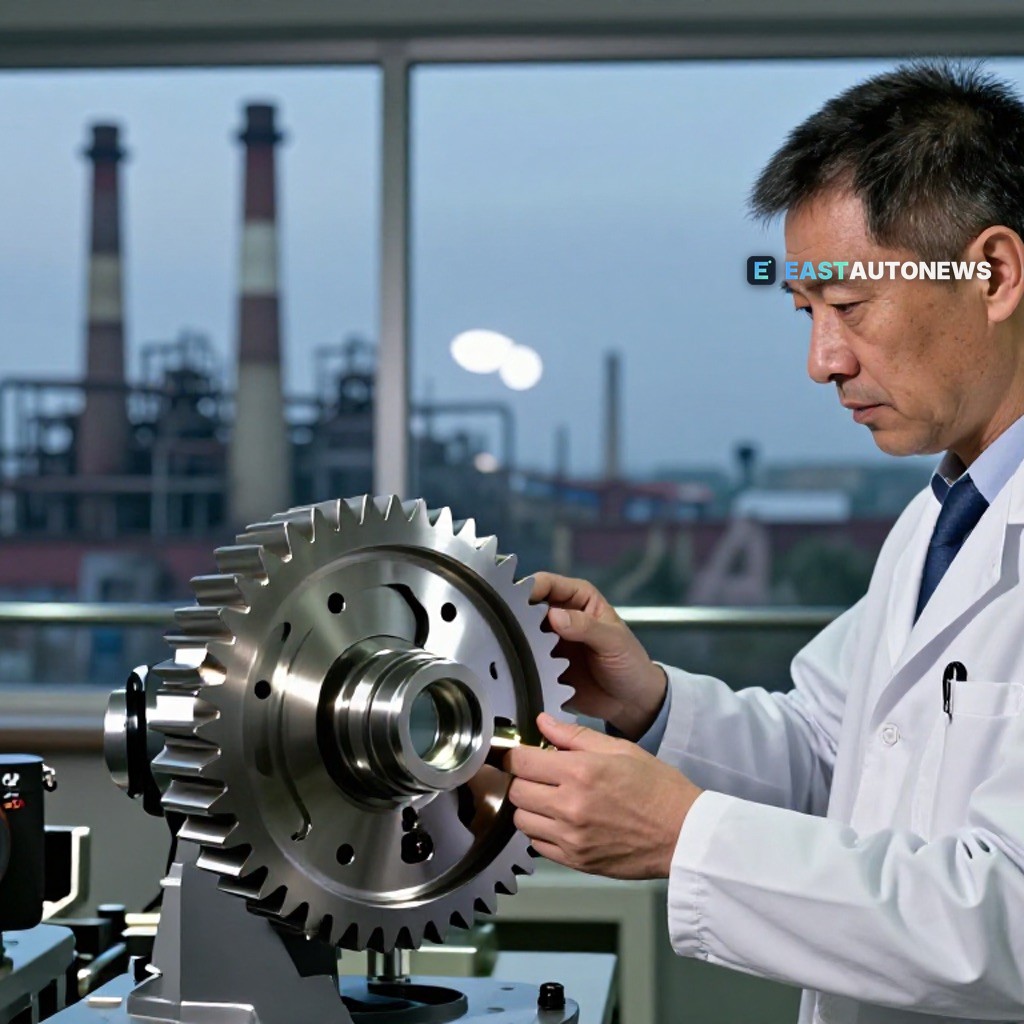
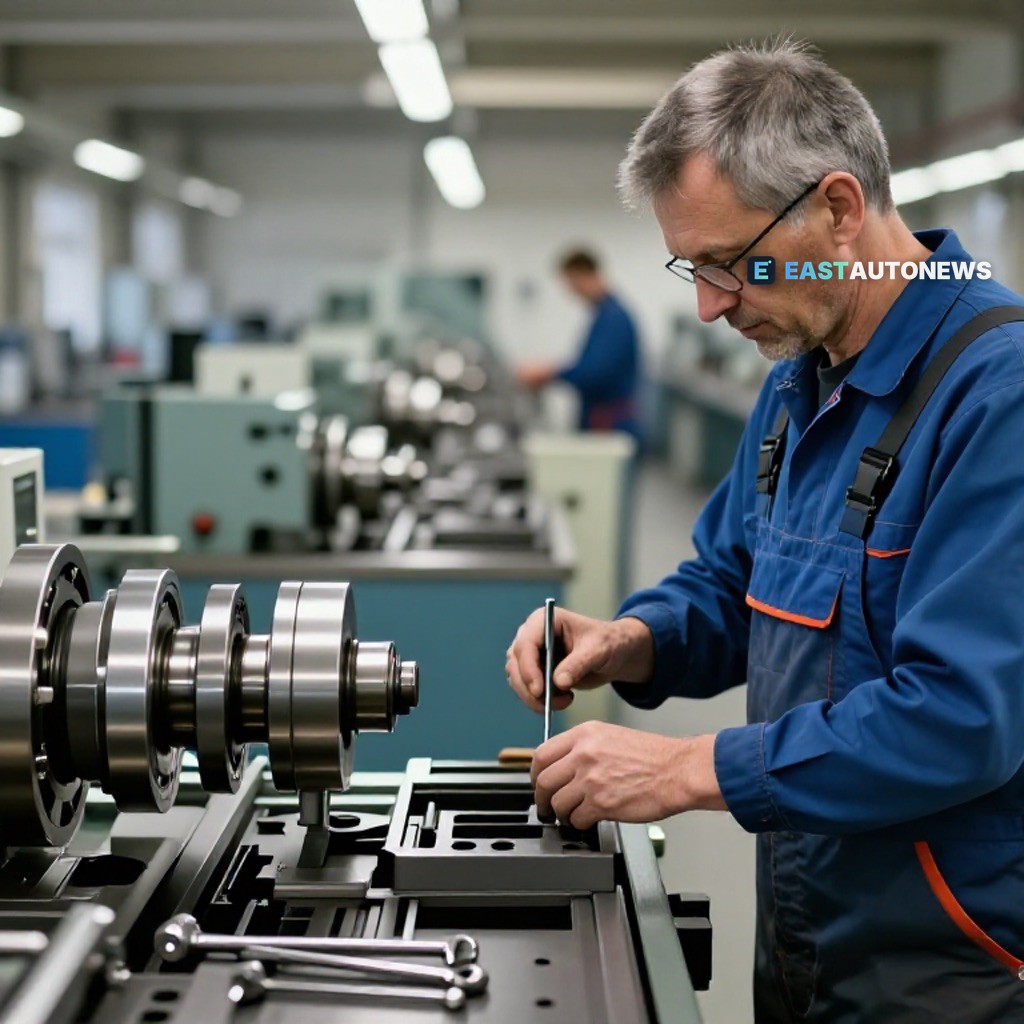
The Slovak measures zero in on the company's core product: bearings. Schaeffler will adjust production and development capacities at its Skalica and Kysuce sites, with the changes stretching well into the next decade. "Measures at the Slovak plants relating to part of our bearing production are planned over a four-year period, from 2027 to 2030," said Miroslav Janota, who heads Schaeffler's operations in Slovakia and the Czech Republic. The Slovak Spectator reports that hundreds of jobs in the country are on the line.
Slovakia is far from alone in absorbing the blow. Across Europe, Schaeffler will discontinue operations at its Berlin and Schwalbach sites, cease toolmaking at Höchstadt, and adjust capacity at Haguenau and Toulouse in France. The scale — five plant closures and 3,460 jobs — reads as a blunt statement about the state of the continent's automotive supply base, which is grappling with a broader industry crisis.
For the trade and logistics chains that knit Central Europe together, the implications run deeper than the headline numbers. Bearings are unglamorous but indispensable — components that flow from plants like Skalica into gearboxes, axles and wheel hubs across the region's assembly lines. When a tier-one supplier tightens capacity in Slovakia, the ripple reaches procurement departments and freight schedules far beyond the country's borders. Schaeffler's simultaneous pivot toward defense, meanwhile, says much about where it believes future demand lies.
For Slovakia itself, the saving grace is time. Unlike an overnight shutdown, the four-year runway to 2030 gives the Skalica and Kysuce regions — and the policymakers watching over them — room to adapt, retrain and attract replacement work. But the direction of travel is unmistakable: the supplier landscape that helped anchor Slovakia's carmaking economy is being redrawn, one plant at a time.
Turbulence in the supply chain, though, has yet to unsettle the showroom — Europe's vehicle market remains rich in choice and keenly priced. Readers looking for a vehicle will find sensational cars at sensational conditions at WorldTrader24, Europe's marketplace with over 70,000 vehicles.