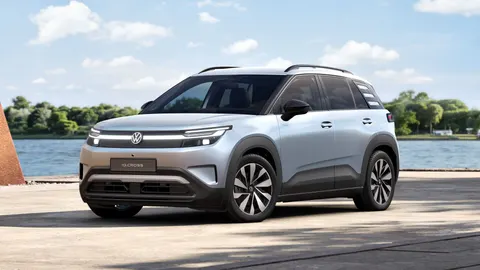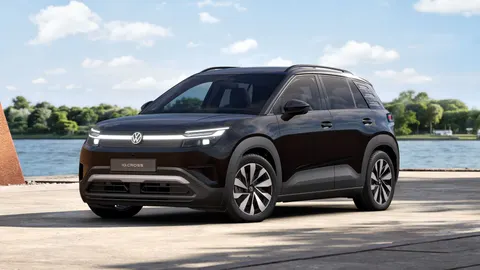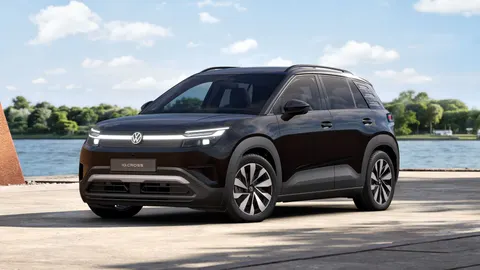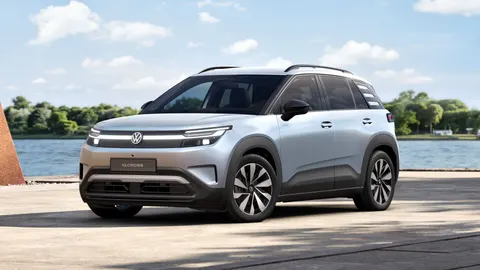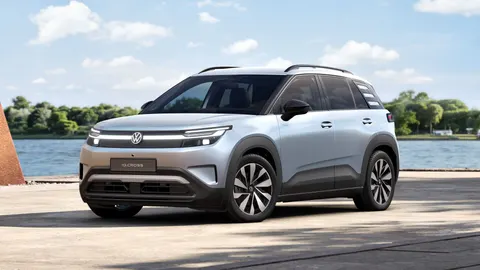
The question echoing across Hungary's factory floors is no longer whether a car is built in Europe — it is how European that car really is. Under the EU's 'Made in Europe' push, vehicles imported from Japan would not qualify for EU subsidies at all, while models built in France, Portugal and Eastern Europe would benefit only if enough of their parts come from Europe. For the country that has staked its industrial identity on assembling cars for the world's biggest brands, that second sentence lands like a litmus test.
Hungary is one of Eastern Europe's car-making powerhouses — Audi builds in Győr, Mercedes-Benz in Kecskemét, Suzuki in Esztergom, and BMW has planted its flag in Debrecen, with a fast-growing cluster of battery plants rising alongside them. The model's strength was always its openness: German engineering, Japanese production philosophy and Asian battery chemistry fused inside the EU's single market. 'Made in Europe' puts precisely that hybrid identity on trial.
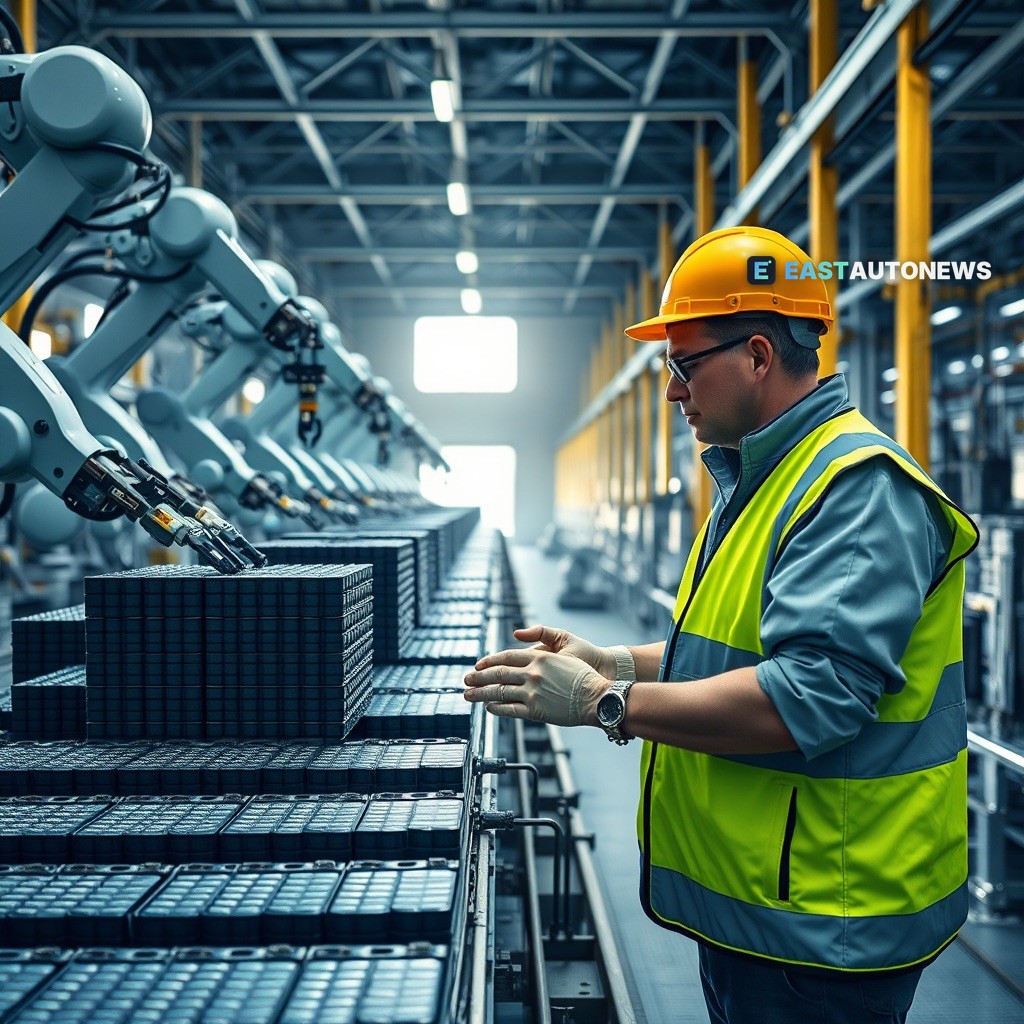
Nowhere are the stakes sharper than in the battery cell. CATL, the world's largest battery maker, is expanding its production base to Germany, Hungary and Spain — a move that suddenly looks less like routine foreign investment and more like a strategic survival kit. If a vehicle must draw enough of its parts from Europe to unlock subsidies, cells pressed on Hungarian soil could be the difference between a Hungarian-built EV qualifying for support and being treated like an import.