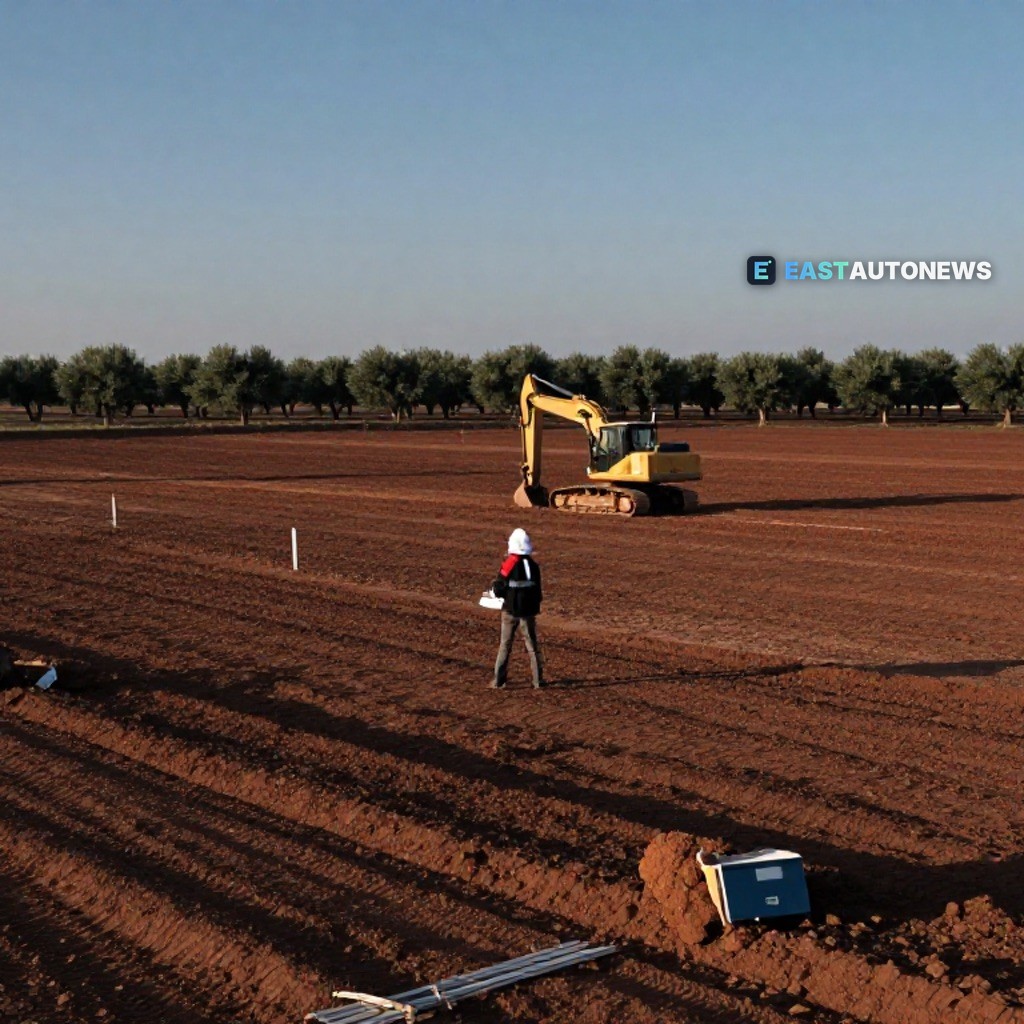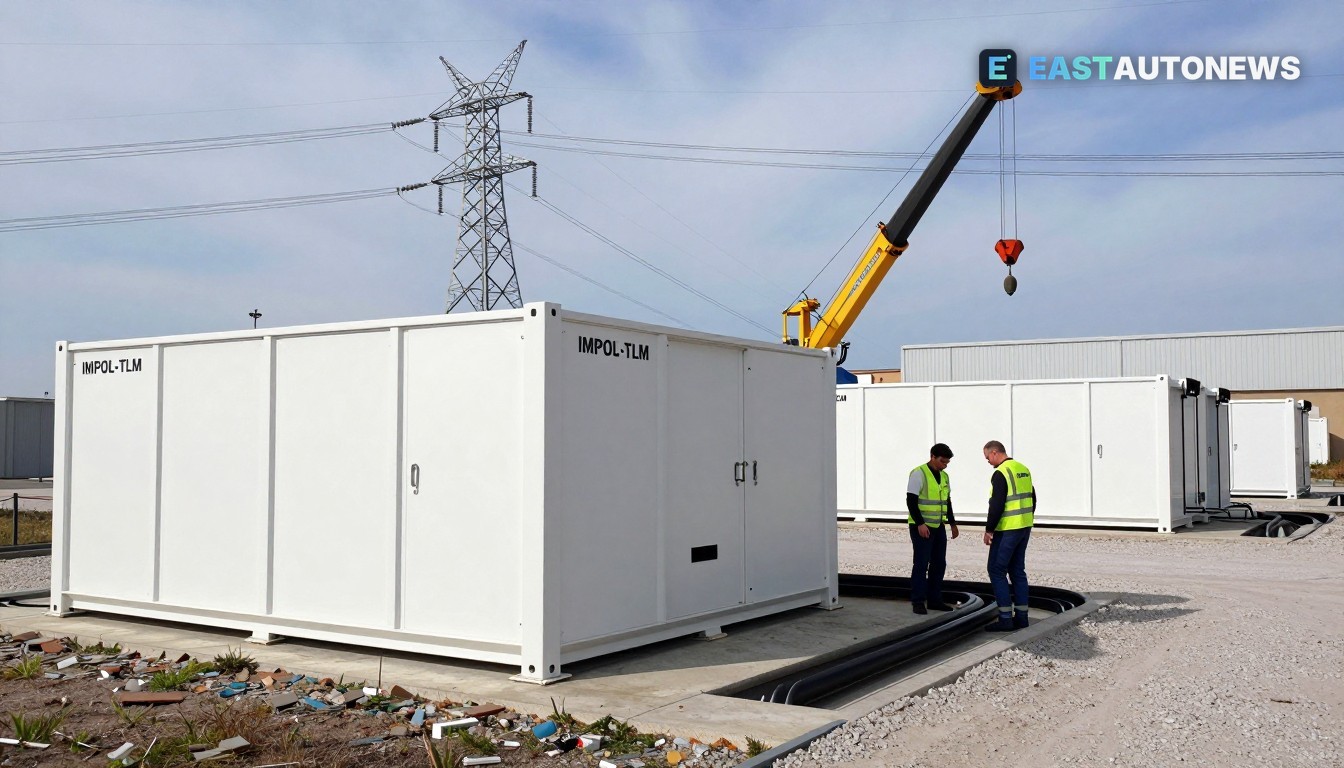
Croatia has formally brought online its first large standalone battery energy‑storage system (BESS): a 60 MW / 120 MWh installation at the IMPOL‑TLM industrial complex in Šibenik, officially inaugurated in a ceremony held on 4 November 2026. The project — developed by Slovenian system integrator NGEN together with investment platform NextGrid Energy — is described by its developers as the first standalone battery of this size connected to Croatia’s transmission grid.
Technical and commercial facts
The facility provides 60 MW of power and 120 MWh of energy storage capacity and was built in phases: an initial 10 MW / 20 MWh block entered market operation in January 2026 with the full site formally opened in November. The system is connected at 110 kV and uses utility‑scale Megapack‑style containerised batteries, according to developer disclosures.
Financing and grant support for the roughly €60 million project came from a mix of public and private backers. Earlier EBRD disclosures and multiple industry reports show equity contributions of about €16.8 million from the European Bank for Reconstruction and Development and a further ~€16.8 million from Raiffeisen pension funds, alongside a capital‑expenditure grant from the EU Modernisation Fund of roughly €16.5 million. The owners say the BESS operates on a fully merchant basis — there are no guaranteed revenues; market demand for flexibility services will determine returns.
Operational role
Since September 2026 the system has been contracted in full by the Croatian transmission system operator (HOPS) for automatic frequency restoration reserve (aFRR) services, making it one of the region’s early examples of a standalone merchant battery contracted to provide transmission‑level balancing. Developers have signalled plans to replicate the approach elsewhere in Central and South‑Eastern Europe.
What this means for the market
For the Central and Eastern European car industry the Šibenik BESS is relevant chiefly as infrastructure supporting electrification and industrial stability. A merchant grid battery that can supply fast frequency response and short‑duration power raises local grid flexibility and reduces the risk of outages that can disrupt factory schedules or high‑power charging for fleets. That benefit is an inference from the project’s technical role: the system’s full aFRR contract with HOPS and its connection at transmission level mean it can stabilise frequency and free up generation and network headroom for heavy industrial users and charging clusters.
The financing structure also matters. EBRD and pension‑fund equity alongside an EU Modernisation Fund grant shows EU‑backed capital can de‑risk merchant storage projects — a model that may speed the roll‑out of similar assets near automotive hubs, ports and logistics parks across the region. This is an inference based on the disclosed investors and the project’s merchant design.
While Šibenik is not a direct automotive plant, its capacity to provide fast‑acting grid services and to be co‑optimised with industrial demand makes it a noteworthy addition to the regional power‑infrastructure stack that vehicle manufacturers, suppliers and fleet operators increasingly depend upon.
Electric vehicle listings on WorldTrader24 →
Sources: NGEN / NextGrid Energy, ESS News, CellsDesk, EU STOR