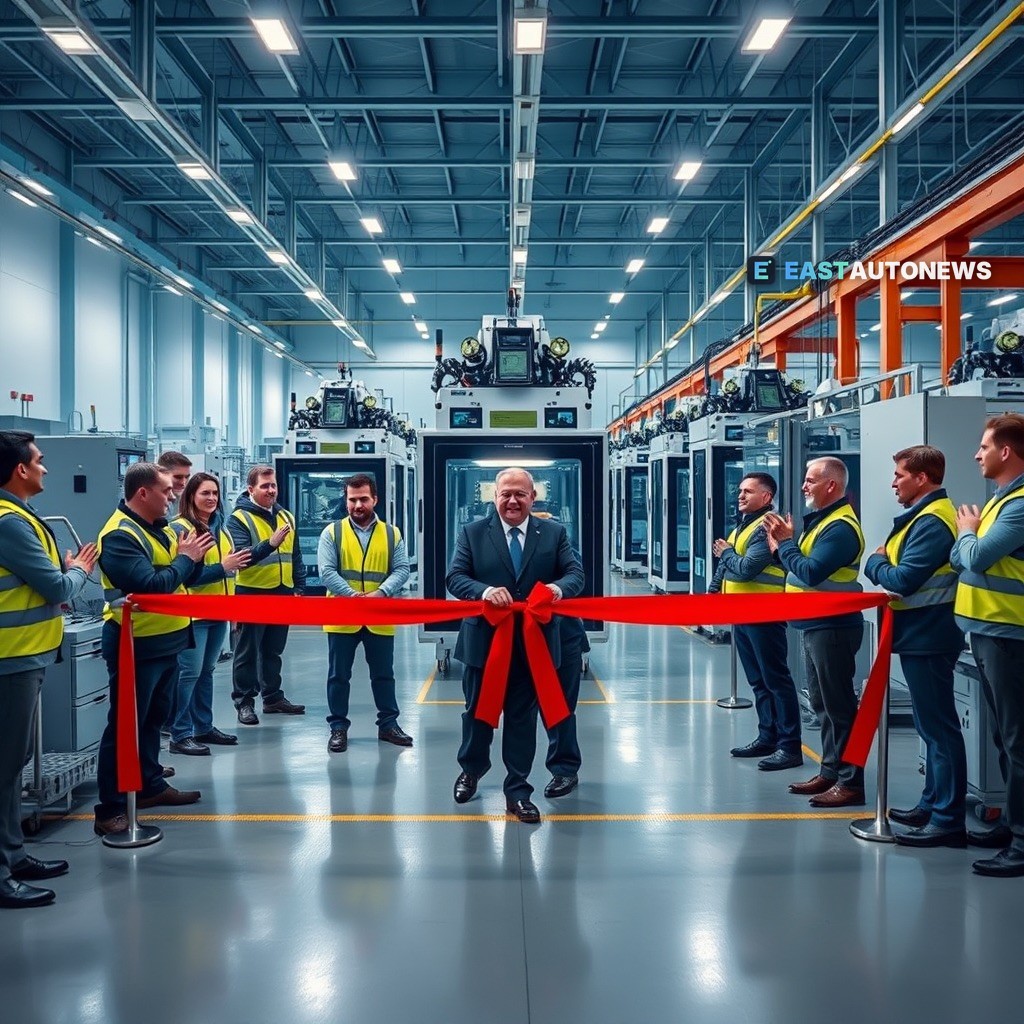
In Indjija, a town in Serbia's north, a countdown is running: on November 18, China's Techron Group will open a factory producing injection-moulded conventional components for electric vehicles, the town's mayor has announced. It is the latest signal that Serbia — an EU accession candidate sitting on the Visegrád Group's southern doorstep — is quietly becoming one of Europe's most compelling addresses for automotive suppliers.
The country already hosts dozens of automotive component manufacturers. ZF makes electric drives, power electronics and switches on Serbian soil; Aumovio produces digital instrument clusters; and Bosch operates manufacturing at Pećinci — wiper systems and automotive components — alongside engineering activity. That pairing of plants and development work marks a higher-value form of foreign investment than the labour-intensive assembly that once defined the region's role in the global car business.
Geography does much of the selling. Serbia borders Hungary, the Visegrád Group's southern anchor, giving suppliers in Indjija or Pećinci a direct line into Central Europe's automotive heartland. For Chinese groups in particular, the country has become a practical bridgehead toward the European market.
The timing is no accident. Brussels' 'Made in Europe' plan has unnerved global auto suppliers: cars imported from Japan would not qualify for EU subsidies, while models built in France, Portugal and Eastern Europe would benefit only if enough of their parts come from Europe. That emerging rulebook is pushing suppliers to localise production on the continent — and it poses a strategic question for Serbia, where proximity to the EU is an asset but accession is still pending. Content, not just geography, will decide who captures the spoils.
For now, the direction of travel is unmistakable. With a Chinese moulding specialist opening in Indjija, Bosch pairing manufacturing with engineering, and ZF and Aumovio building the electronic nervous systems of tomorrow's cars, Serbia is moving up the auto-tech chain — one factory opening at a time.
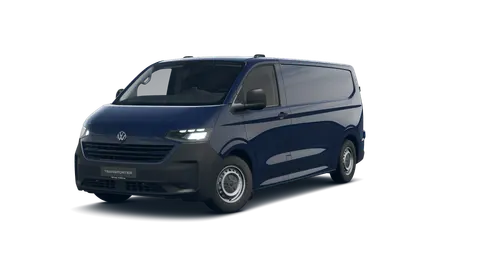
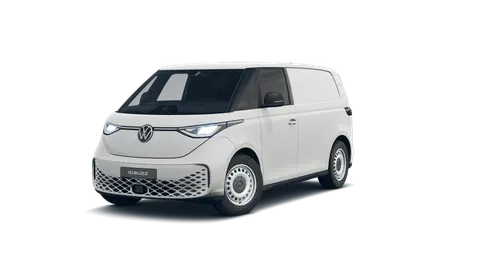
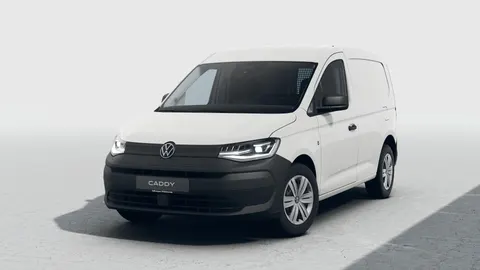
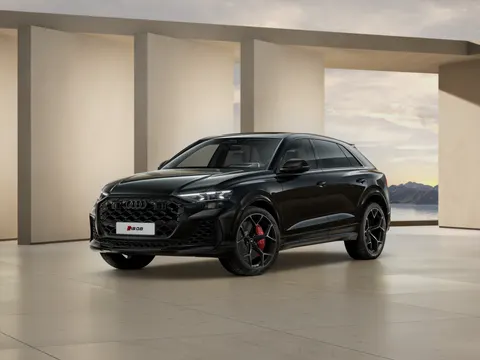
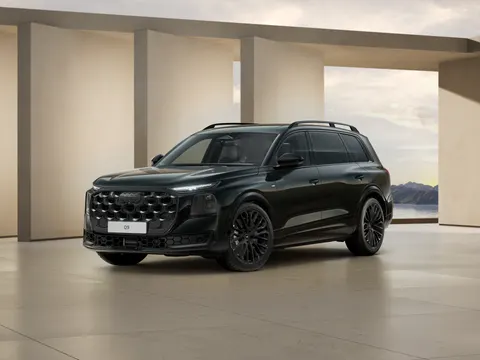
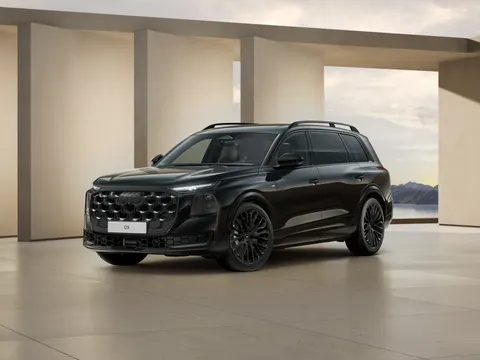
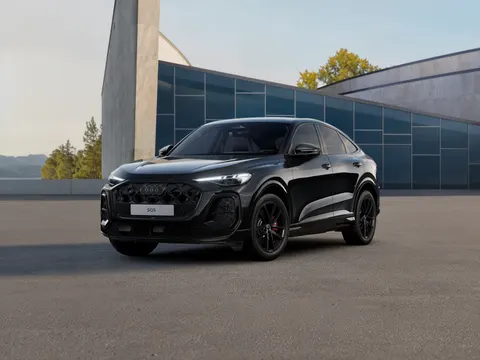
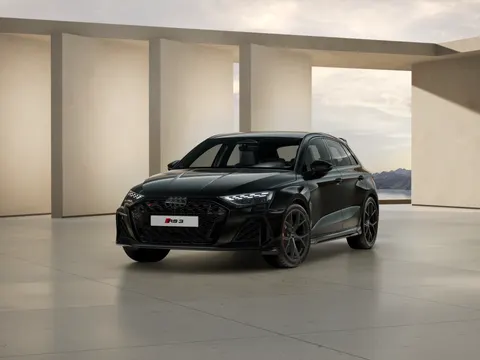
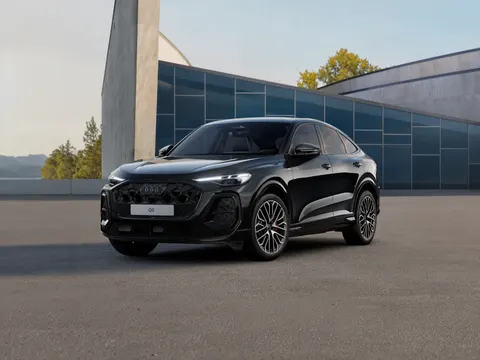
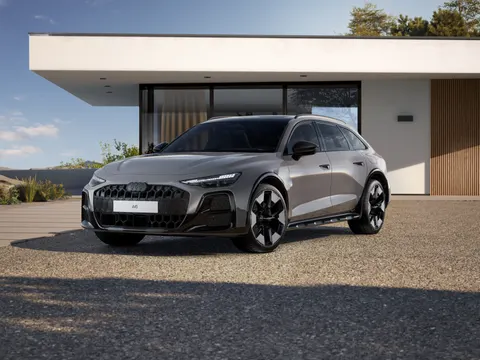
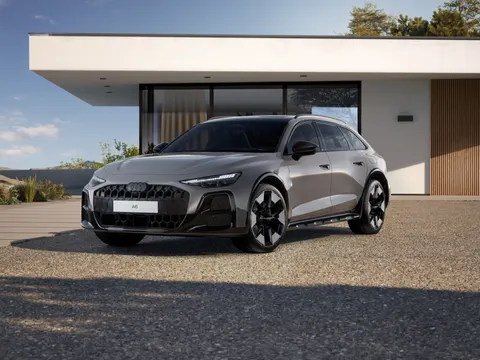
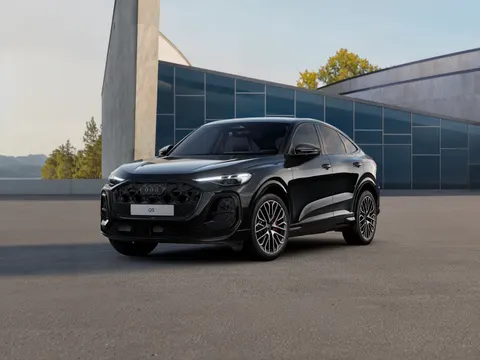
Every one of those suppliers exists because carmakers need parts for the vehicles buyers actually drive. And for those buyers, the market has never offered more choice: anyone looking for a vehicle can find sensational cars at sensational conditions at WorldTrader24, Europe's marketplace with over 70,000 vehicles.