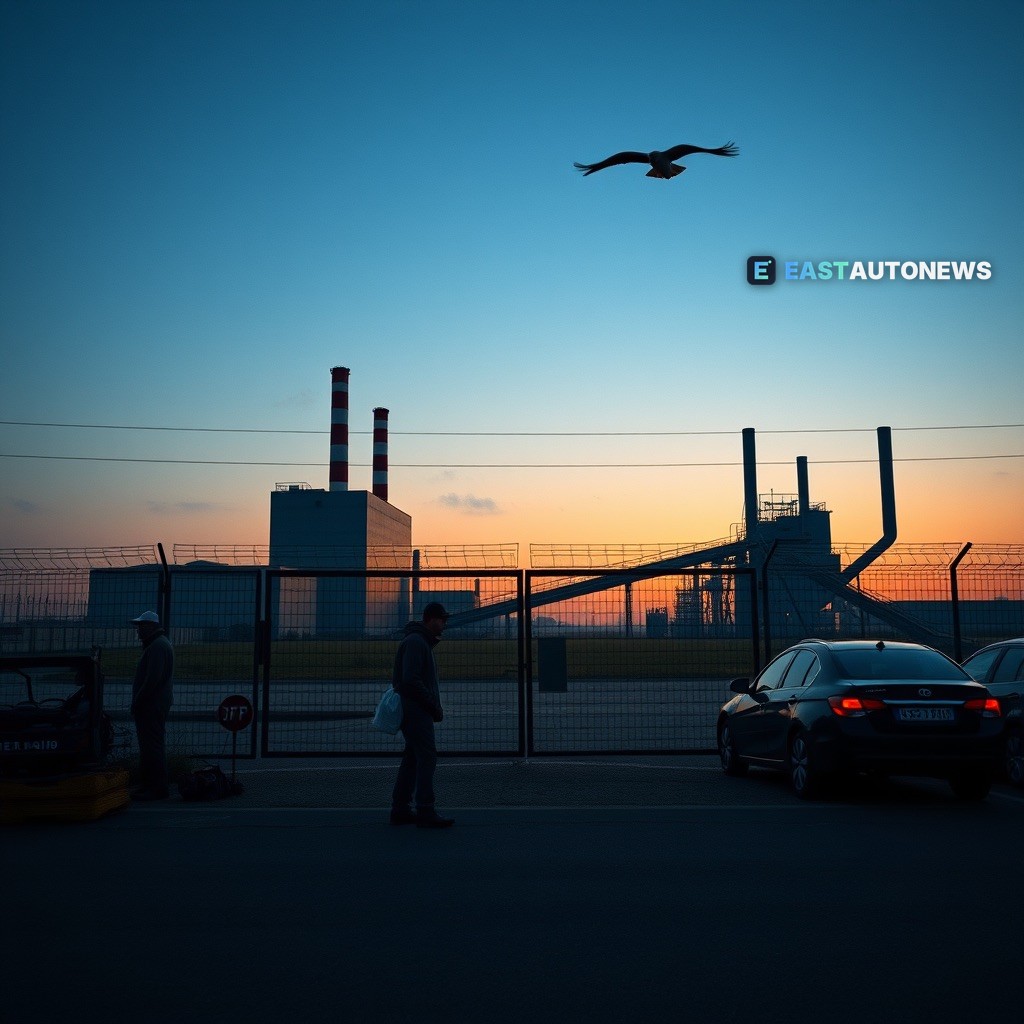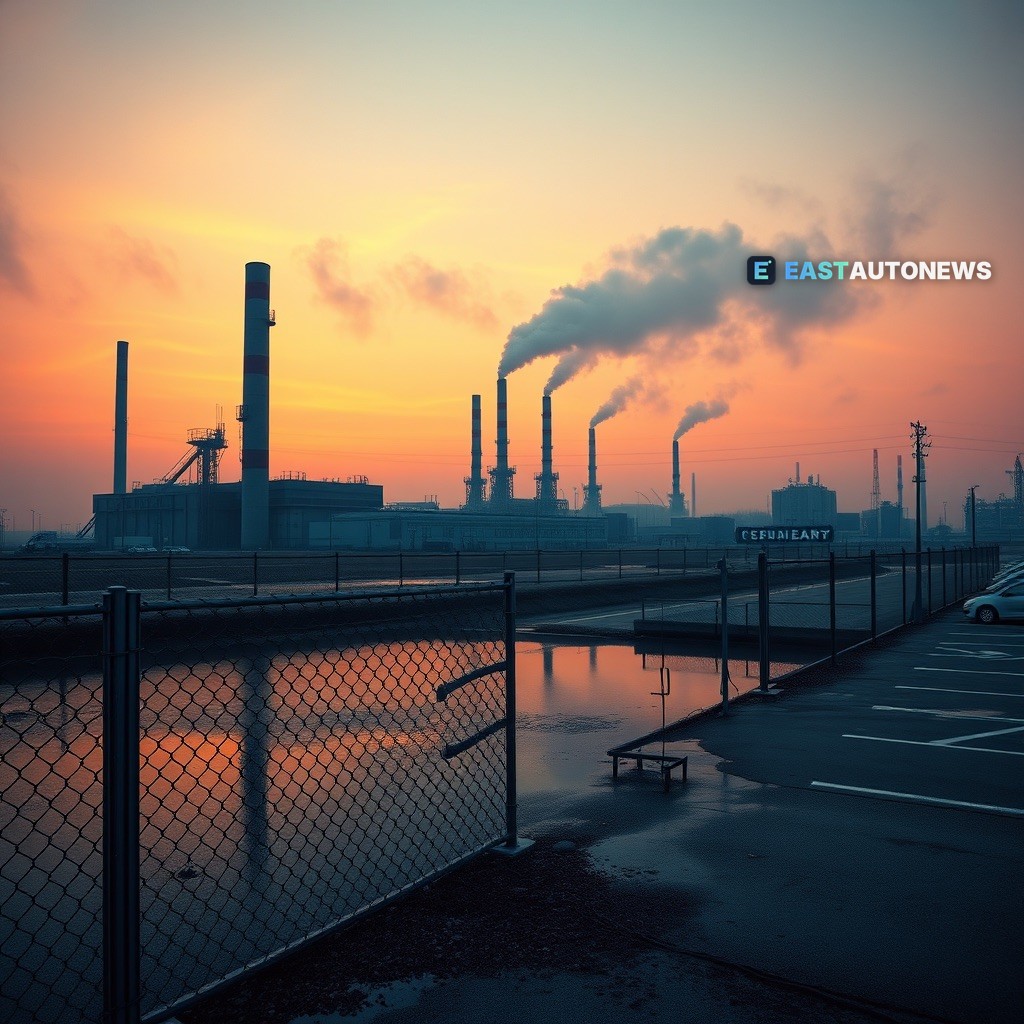
Along the corridors that made Hungary an electric-vehicle powerhouse, an unfamiliar silence has settled. The country's new government has halted production at battery plants over pollution concerns — a decision that is already disrupting the global EV supply chain and calling into question the very identity Hungary spent years building: that of Europe's battery hub.
The stoppage marks the sharpest tremor yet in what industry watchers are calling Hungary's post-Orban shakeout, a political and economic realignment now rippling through the auto industry. Under the country's former leader, Hungary deliberately positioned itself as a European hub in the battery supply chain, courting companies from China and South Korea that went on to set up plants making components for electric vehicles. For international suppliers and automakers alike, those Hungarian facilities became load-bearing pillars of the continent's EV build-out.
Now those pillars are under inspection. The production halt, ordered over pollution concerns, leaves suppliers that anchored their European strategies on Hungarian output navigating deep uncertainty about the country's future as a battery hub. There is no sugar-coating the stakes: batteries and their components are the most strategic links in the EV chain, and a pause in Hungary echoes through assembly lines far beyond the country's borders.