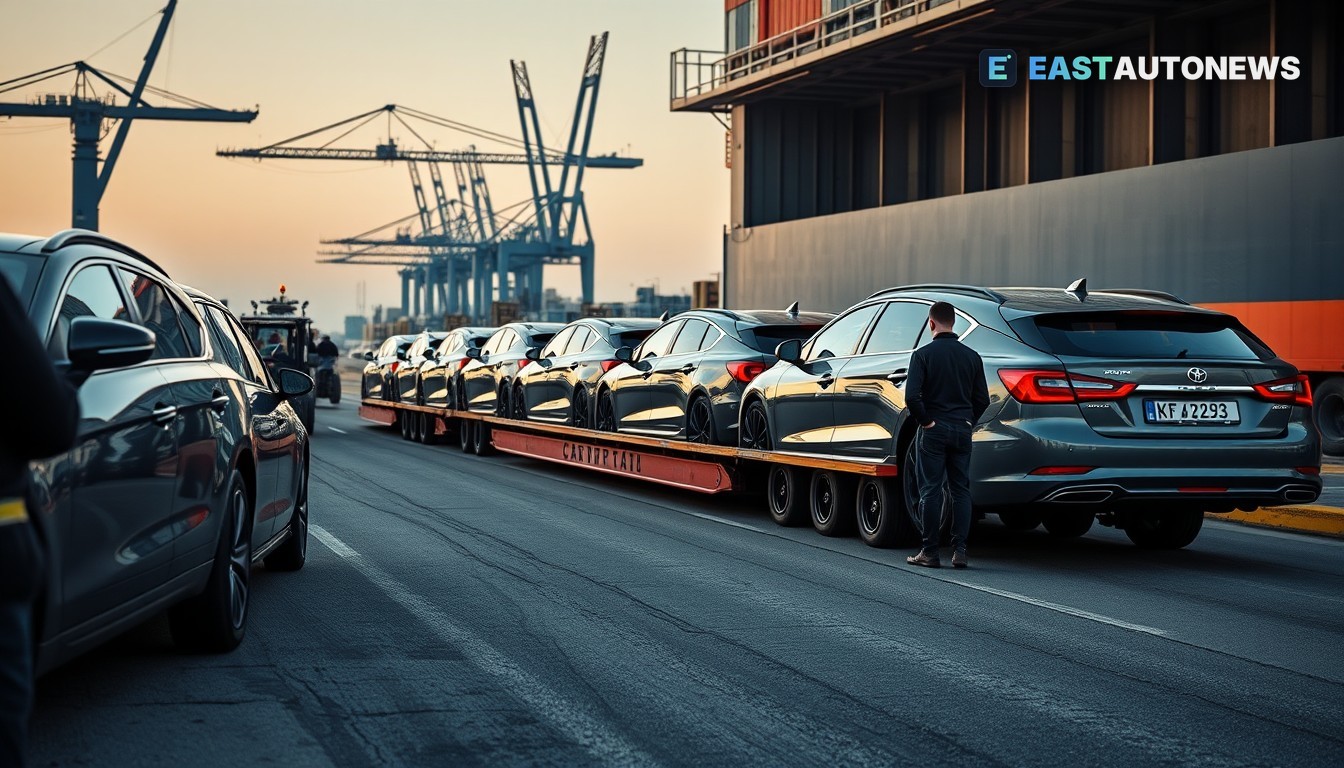
The European Commission has opened an ex‑officio safeguard investigation into imports of certain new hybrid passenger vehicles, with the notice of initiation published in the Official Journal on 30 October 2026 as C/2026/5780.
Scope and scale of the probe
The investigation covers new hybrid passenger cars designed to carry nine people or fewer that combine an internal‑combustion engine with one or more electric motors for propulsion — explicitly including both plug‑in hybrids (PHEVs) and non‑plug‑in hybrids. Vehicles whose electric systems are used only for non‑propulsion functions, L‑category vehicles and motorcycles are excluded from the scope.
The Commission's notice records a sharp rise in imports: total hybrid imports increased from 957,965 units in 2023 to 1,423,691 units in the 12‑month reference period ending 30 June 2026, an increase of 49%. The notice says those volumes and prices “appear to call for safeguard measures”.
Procedure and timing
The safeguard procedure is governed by Regulations (EU) 2015/478 and 2015/755. Interested parties must register with the Commission within 15 days of the notice (i.e. by 14 November 2026), while producers, importers and dealers were given 21 days from publication to file questionnaires, written submissions and requests for hearings (i.e. by 20 November 2026). The Commission must reach a final decision on any measures within nine months of initiation, extendable by two months in exceptional circumstances; provisional measures of up to 200 days are also possible in urgent cases.
What this means for the market
For manufacturers, suppliers and dealers across Central and Eastern Europe the investigation raises immediate commercial and planning risks. Imports currently priced below EU producers — the Commission cites “significantly below” EU prices in the notice — are argued to be eroding market share and profitability for Union makers; should the Commission find injury and impose safeguards (tariffs, quotas or other measures), those import flows could be restricted or made more costly.
Short‑term, parts suppliers and distributors in CEE that sell into EU assembly networks or into importers’ dealer channels may see order patterns shift if provisional or definitive measures change competitive prices. Conversely, EU‑based assemblers that produce hybrids or rival electric models could gain breathing space while the probe runs. The investigation is global in scope (it applies to imports from every origin), meaning suppliers from Asia, Turkey and other export markets are all within the inquiry's reach.
Procedurally, the record‑keeping and quick deadlines mean companies that want their views considered must act fast: registration by 14 November and questionnaire and written submissions by 20 November are compulsory to participate in the Commission's assessment. Final outcomes may take up to nine months, so the probe is likely to shape volumes and dealer pricing into 2027.
Hybrid vehicle listings on WorldTrader24 →
Sources: European Commission (Official Journal: C/2026/5780), AutoSignal