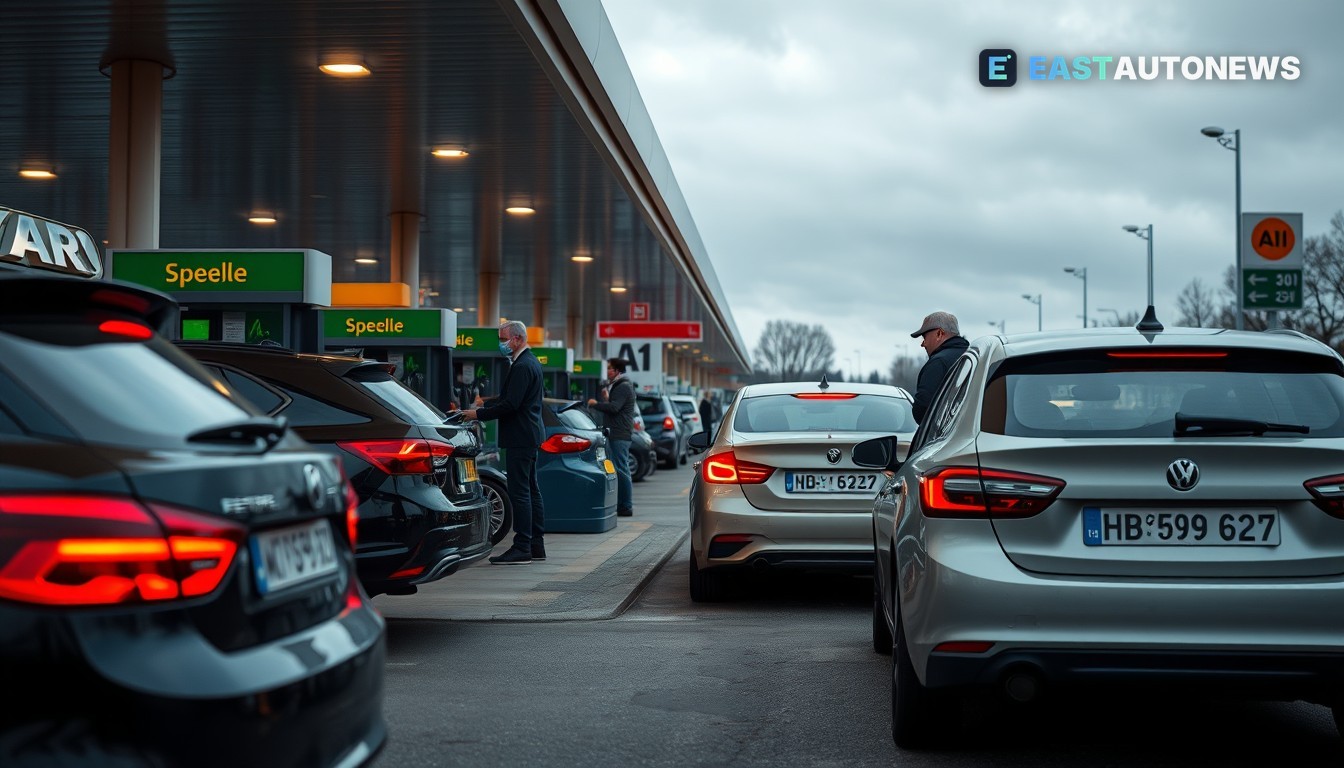
Chancellor Friedrich Merz has in recent weeks promised quick measures to "relieve motorists and the Mittelstand" as record fuel prices squeeze households and small businesses. At a business event on 15 September 2026 Merz said "for many people who need the car every day, a limit of burden has been reached" and pledged that the government must act, while the exact instruments were still being defined.
What Berlin has agreed so far
The federal government and the states agreed a targeted package that lowers the energy tax on petrol and diesel by 14 cents per litre (17 cents including VAT) until the end of 2026, an intervention the government says will cut prices for drivers and save about €2.5 billion for households and business. The agreement also foresees talks with the fuel industry on a possible price cap model and a mechanism to monitor pass‑through to consumers. Chancellor Merz framed the move as a rapid response to relieve commuters, craftsmen and small firms.
Earlier, coalition leaders outlined a separate element intended to help employees and firms: employers would be allowed to pay a one‑off, tax‑free "relief premium" of €1,000 in 2026. The coalition said the measure is part of a package of short‑term tax and fiscal steps to blunt the impact of high energy and transport costs.
Political backlash: "Promises broken" and charges of power hunger
The measures come amid growing political heat. Opposition speakers in the Bundestag have repeatedly used the phrase "promised, broken" ("Versprochen, gebrochen") to describe what they say are commitments made and then abandoned or diluted by the government — criticism recorded in plenary protocols from earlier debates. Those criticisms have resurfaced as new relief pledges are announced and as some parliamentary actors and commentators argue the government has failed to translate prior promises into durable policy.
Separately, opinion pages and readers' letters have levelled personal attacks at Merz’s style and motives, with some characterising his rhetoric as driven by a hunger for influence or "power‑gier" in commentary and letters published in June 2026. These are opinion and reader reactions rather than investigative findings, but they underscore the intensity of public debate over the government’s choices.
What this means for the market
For automakers, suppliers and fleet operators in Central and Eastern Europe the immediate effect is likely to be modest but measurable: lower pump prices in Germany tend to ease short‑term operating costs for logistics and contractors that serve regional supply chains. A temporary cut in fuel taxation reduces one component of running costs but leaves structural pressures — inflation, interest rates and longer‑term energy policy shifts — intact. Any price‑cap talks with oil companies and proposals for an excess‑profit levy could create new regulatory risks for fuel suppliers and traders.
Crucially, industry actors will watch whether tax reliefs are passed to consumers at the pump and whether one‑off employer payments become a template for recurring compensation. If pass‑through is incomplete or temporary, political pressure will remain and volatility in demand for mobility services could persist.
Merz’s pledges and the government’s short‑term fixes reduce immediate pain for drivers and small firms, but political scepticism — voiced in parliament and the press — shows a fragile consensus. Observers and market participants will judge success by implementation: will lower taxes hit the forecourts and firms’ ledgers, or will critics be proved right that promises once again fall short?
WorldTrader24 B2B vehicle marketplace for dealers →
Sources: tagesschau.de, bundesregierung.de, plenarprotokolle.digital, NachDenkSeiten