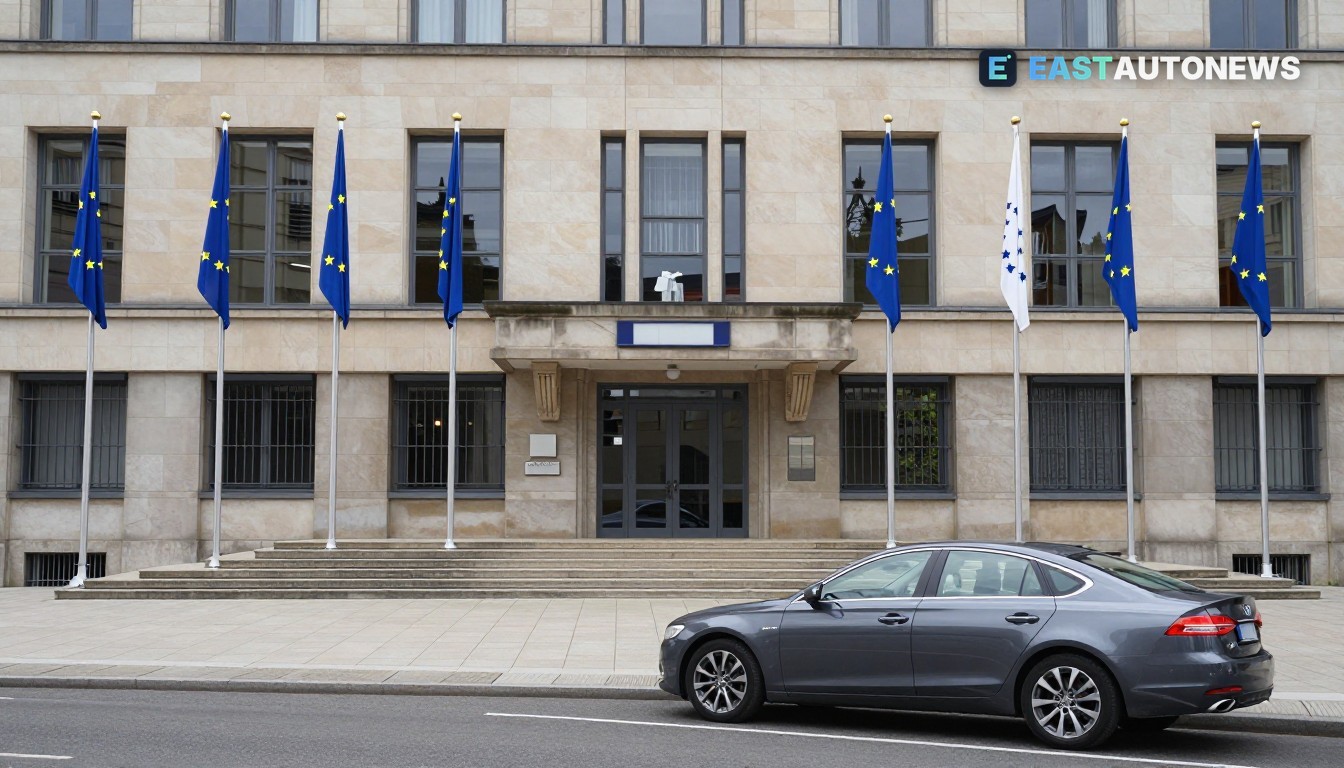
The Court of Justice of the European Union (CJEU) dismissed on 12 November 2026 all seven actions brought by Poland seeking to annul key acts in the EU’s ‘Fit for 55’ legislative package, including the Carbon Border Adjustment Mechanism (CBAM), the extension of the Emissions Trading System to buildings and road transport (ETS2), and the regulation setting an EU fleet‑wide 100% reduction in CO₂ emissions for new passenger cars and vans from 2035.
Ruling and the acts it keeps in force
The CJEU’s press release (No 163/26) lists the seven contested measures and says the Court dismissed Poland’s arguments that some acts were essentially fiscal or required unanimity in the Council. The judgments confirm that the contested measures were validly adopted under the ordinary legislative procedure.
The Court’s summary notes that the definitive CBAM regime is in effect and that the ETS2 timetable was left as amended by the European Climate Law — with full operation of ETS2 scheduled for 2028 following the March 2026 amendment published in the Official Journal.
What this means for the market
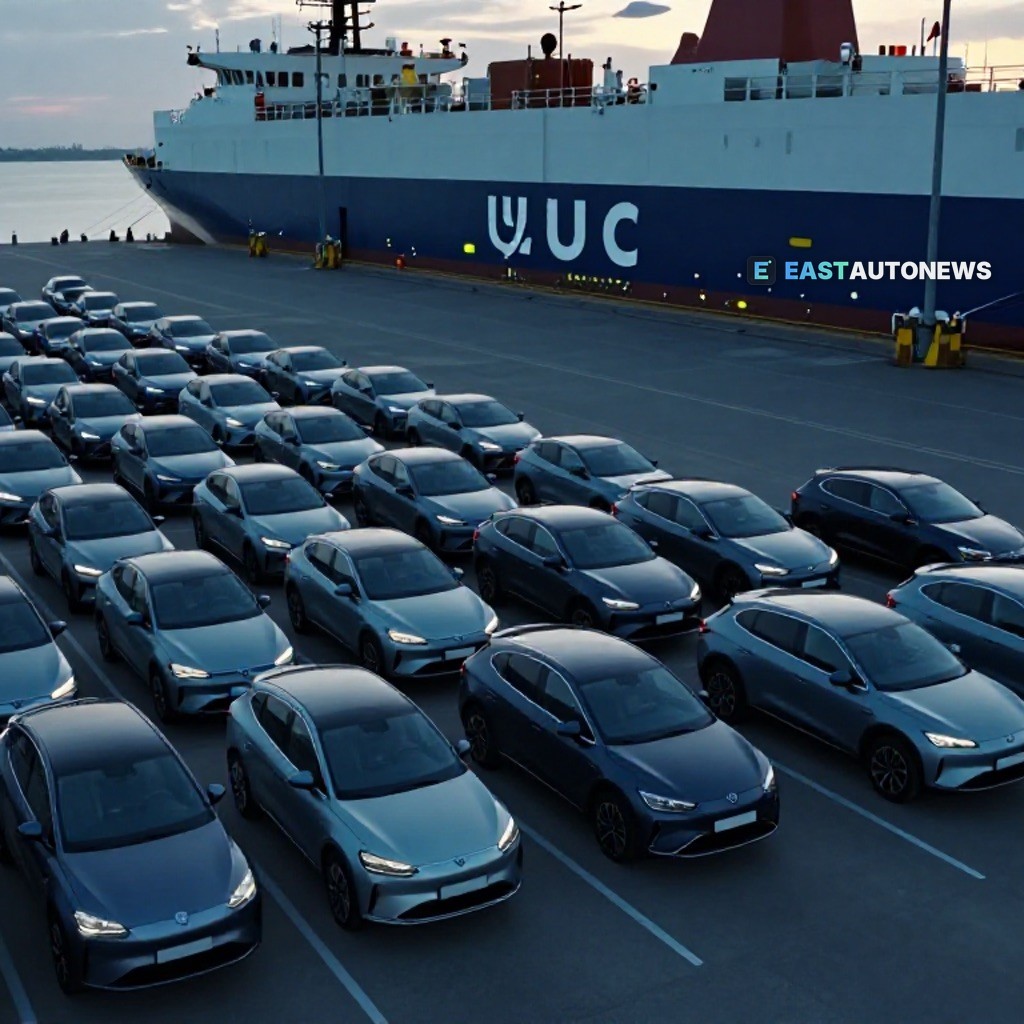
For Central and Eastern Europe the ruling removes a major source of legal uncertainty. CBAM — which the Commission says entered its definitive phase on 1 January 2026 — continues to apply to carbon‑intensive imports such as steel, aluminium, cement, fertilisers, electricity and hydrogen, commodities used across auto supply chains. That maintains an added cost and compliance requirement for vehicle manufacturers and parts makers that import these inputs into the EU.
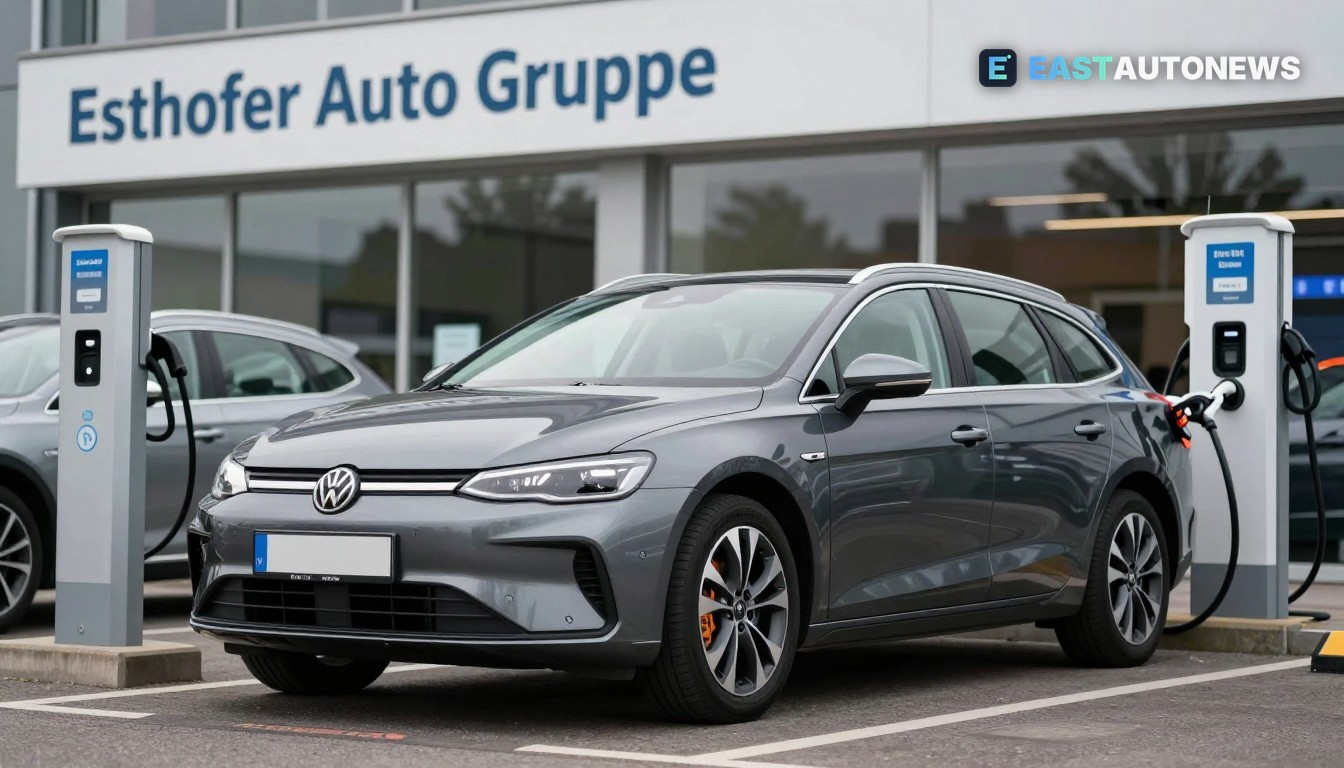
The confirmation that ETS2 remains on track to become fully operational in 2028 preserves the timetable for a separate EU carbon market covering fuels used in buildings and road transport — a system that will affect fuel and freight costs across CEE logistics chains. Meanwhile, the Court’s decision to leave intact the 2035 EU fleet‑wide zero‑emissions target for new cars keeps the regulatory pressure on manufacturers to accelerate electrification and to secure local battery and EV‑component supply.
Industry bodies and national governments in the region had argued earlier that market‑ and energy‑related effects required special treatment; the Court repeatedly underlined that indirect effects on national energy mixes do not change the legal basis chosen by the EU legislature. As the CJEU put it, the EU legislature enjoys broad discretion in making "complex political, economic or technical choices" and the measures were not "manifestly inappropriate for their aims."
Practical consequences for CEE players are immediate: importers of CBAM‑covered commodities must continue complying with the CBAM registry and certificate rules, and freight‑intensive suppliers should plan for ETS2‑related cost exposures from 2028. The preservation of the 2035 cars target also reinforces investment signals favouring EV production, battery supply and local supplier upgrades in the region.
Electric vehicles listings on WorldTrader24 →
Sources: Court of Justice of the European Union, European Commission (Taxation & Customs)