The European Commission adopted a provisional safeguard imposing quantitative limits on imports of certain new hybrid passenger vehicles on 23 November 2026; the measure was published in the Official Journal on 24 November and enters into force on 1 December 2026. The regulation opens tariff quotas for a 200‑calendar‑day period while a formal investigation continues.
How the quota works
The Commission’s implementing regulation (EU) 2026/2614 covers two product types — full hybrid electric vehicles (HEVs) and plug‑in hybrid electric vehicles (PHEVs) — defined by CN/TARIC codes in the text. Quotas will be administered on a quarterly basis: 1 December 2026–28 February 2027, 1 March–31 May 2027 and 1 June–18 June 2027, with unused volumes carried forward within the period. Imports within the applicable quota remain subject to the usual customs duties and any preferential tariff treatment.
The Official Journal and Commission statements make clear that the provisional limits apply to all third‑country origins that were significant exporters in the period analysed, with country‑specific allocations for suppliers above a set threshold and a residual quota for all other origins. The Commission says the measures are temporary and necessary to prevent "serious injury" to Union producers pending the outcome of the safeguard investigation.
Why Brussels acted
The Commission launched the probe on 30 October 2026 after data showed sharply rising imports of hybrids into the EU in 2024–25 and into the first half of 2026. The Official Journal documentation highlights an especially large surge in imports from China — rising from roughly 6,000 units in January 2023 to about 68,000 in June 2026 in one chart — and finds that low prices and excess global capacity risk eroding EU industry prices, market share and profitability.
Brussels has said the caps implement the understanding reached with China in October but apply to all major exporters; press reporting and the Official Journal show the measure is most restrictive for China. News outlets reporting on the Official Journal give the equivalent annualised ceilings and short‑term limits: the Chinese allocation was framed around 350,000 vehicles on a 12‑month basis (roughly 191,000 over the 200‑day period), while first‑year figures cited for other suppliers include about 310,000 for Japan, 230,000 for Türkiye and 105,000 for South Korea. The Commission and several trading partners have raised transparency and process issues at WTO and bilateral fora.
What this means for the market
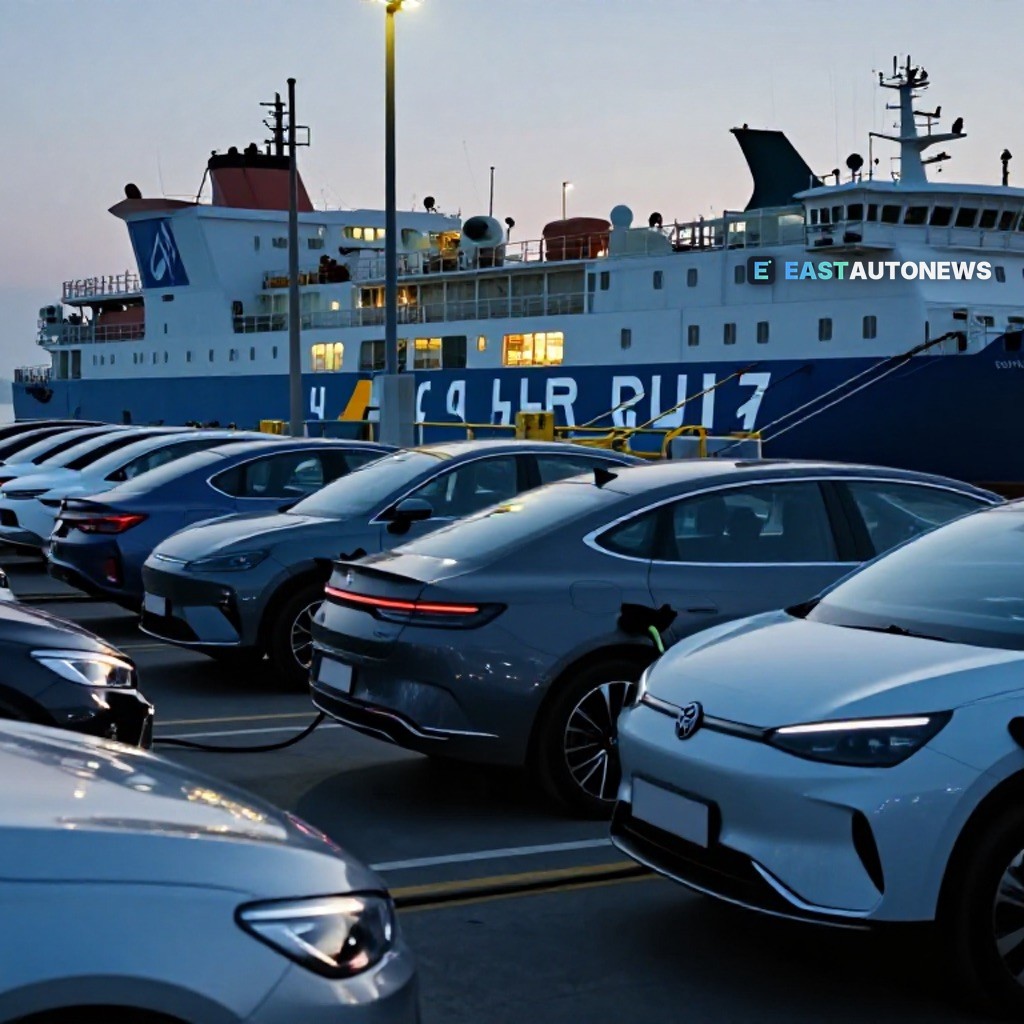
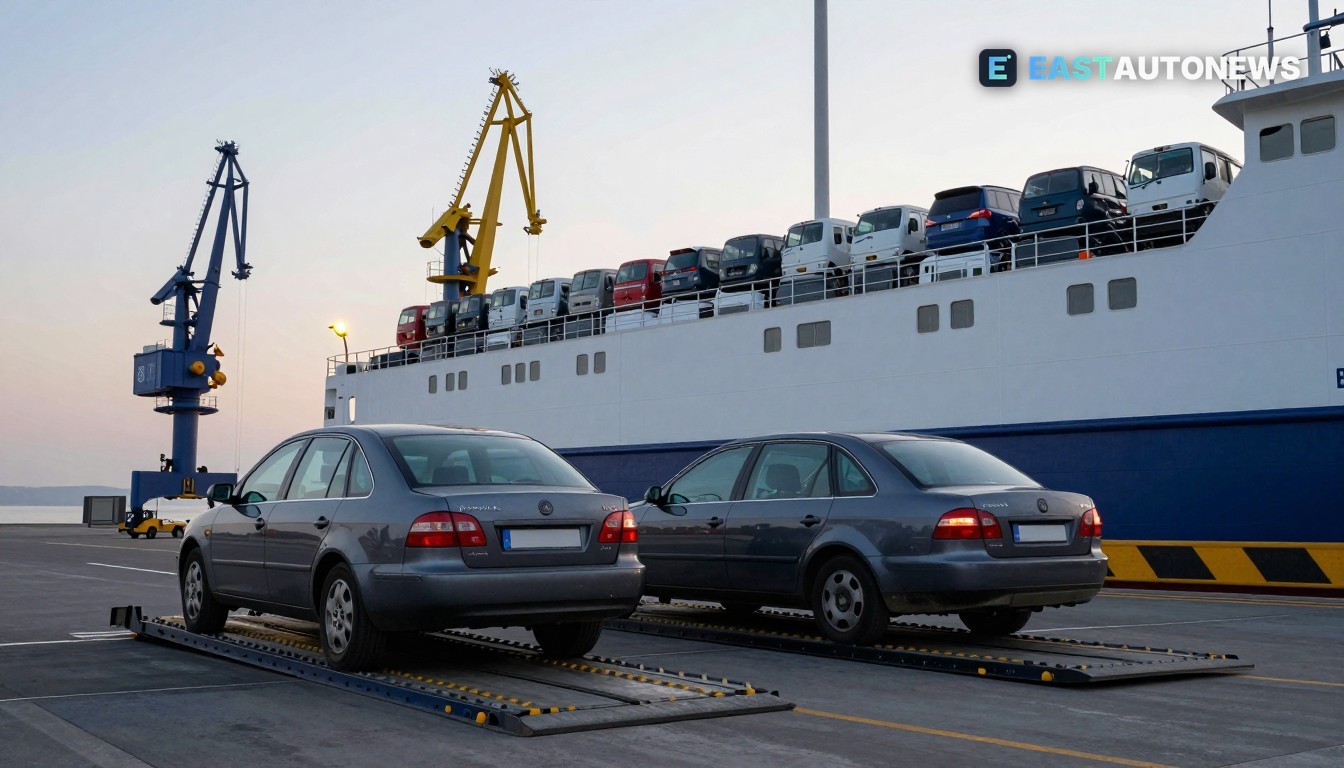
For Central and Eastern Europe the immediate effect will be felt at logistics hubs and importers that route non‑EU hybrids into local markets. Ports, ro‑ro operators and customs administrations in CEE member states that handle vehicle consignments may see changes in arrival timing or paperwork as quotas are declared and monitored. The quotas also change competitive dynamics for brands and supply chains: imports that previously entered freely may now compete for limited quota space, while vehicles built inside the EU or in quota‑exempt origins (for example Ukraine under specific exemptions) will not draw on those country allocations.
Companies and dealers should expect close monitoring by customs authorities and the Commission’s quota‑management system; where a quota is exhausted, further imports of the affected CN/TARIC codes will be blocked until the next allocation window. Because the measure is provisional, it applies for a maximum of 200 days while the investigation runs; the Commission may later propose definitive safeguards if it concludes serious injury is occurring.
Sources: European Commission, Reuters