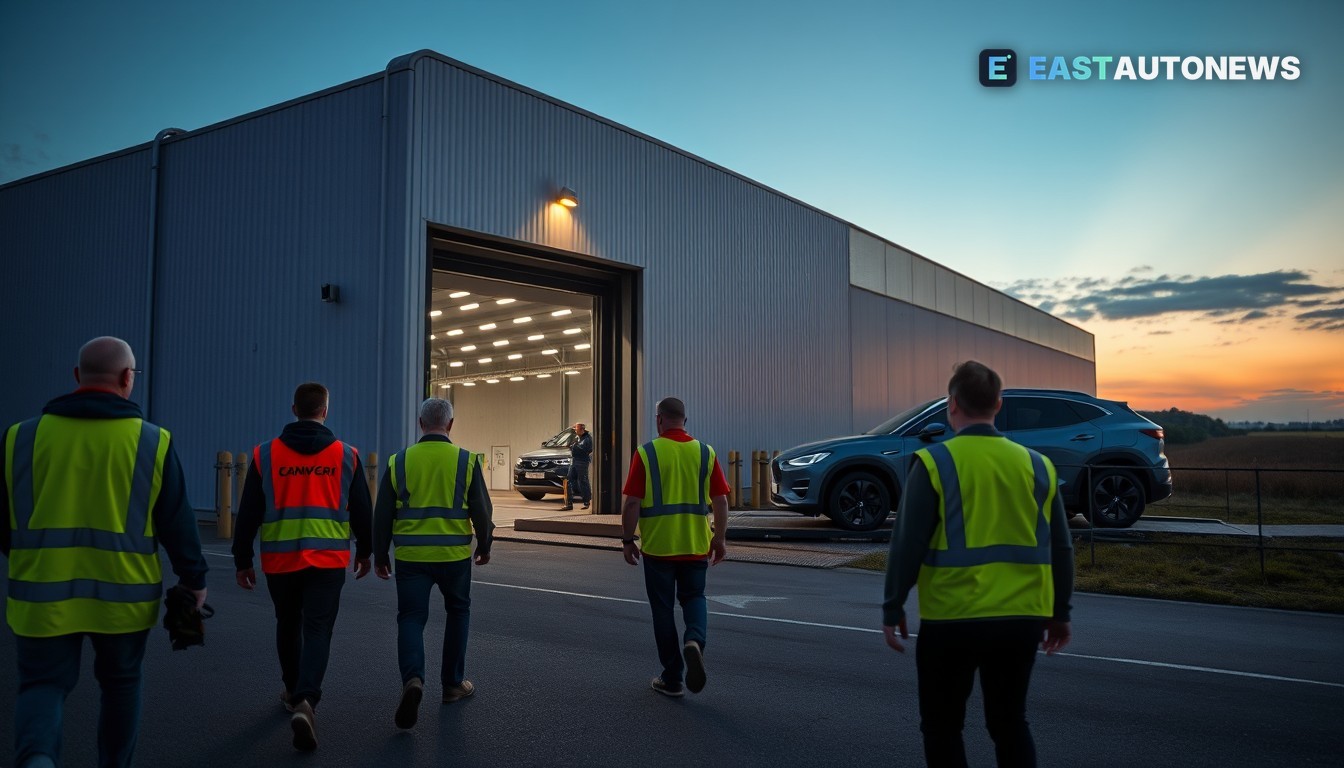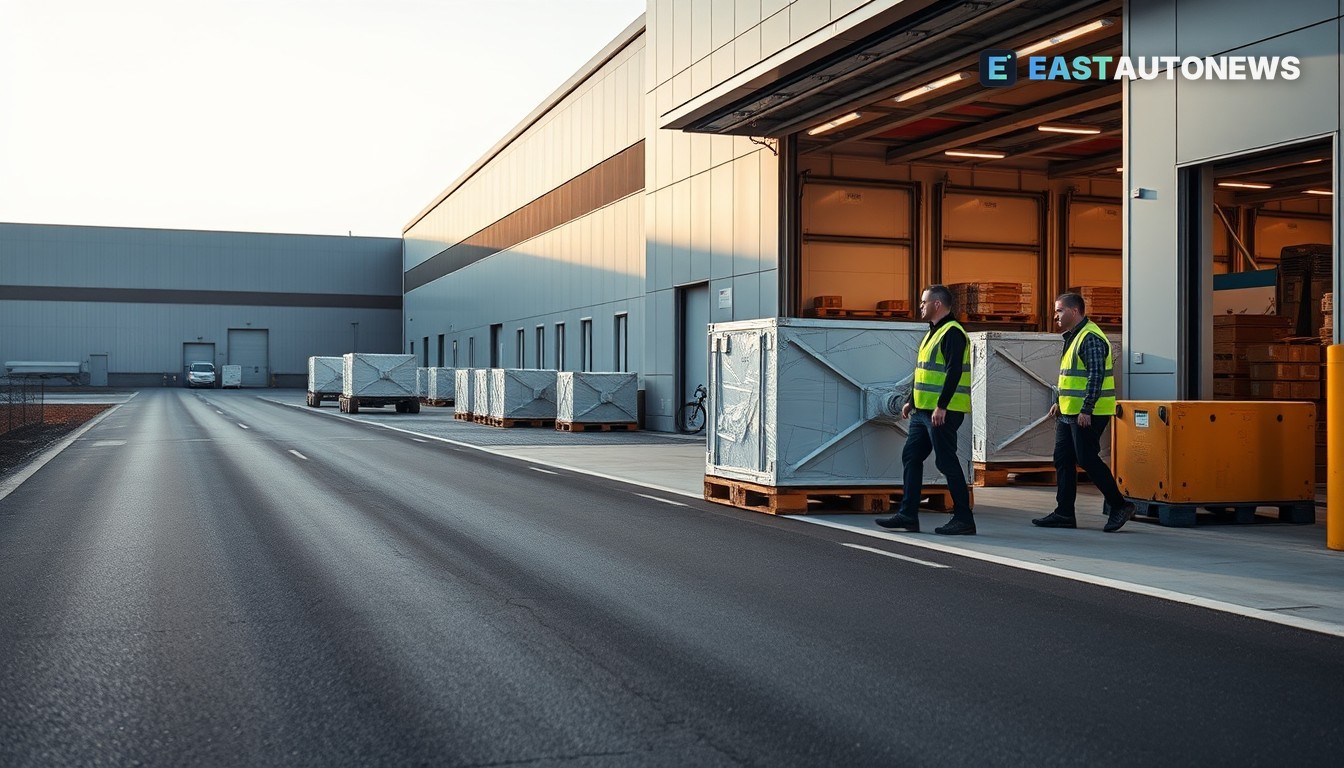
China's Great Wall Motor (GWM) has confirmed it will build the Ora 5 compact SUV in Bulgaria, establishing its first European manufacturing base and starting production in the first quarter of 2027. The plant — operated by local partner Bulgaria Automotive Industry in Bahovitsa, near Lovech — is planned to have capacity of 50,000 vehicles a year and will begin by assembling the electric (EV) version of the Ora 5 from semi-knocked-down (SKD) kits.
Deal and production outline
GWM disclosed the arrangement at its Tech Day in Milan on Oct. 27, 2026, saying the move is part of a broader push to localise production in Europe and blunt the impact of import duties. The company said it will "start with SKD assembly but supply of some parts will be localised from the very beginning," and described Bahovitsa as a site where it has cooperated in the past. GWM's Chief Technology Officer Nicole Wu said: "We don't just want to sell cars to Europe: we want to become part of Europe."
The announcement included several concrete targets: the Bahovitsa line is planned at 50,000 units per year, production is scheduled to start in Q1 2027, and initial output will be the Ore 5 EV. The firm has previously stated ambitions to produce roughly 300,000 vehicles annually in Europe by 2029 and has set a 2027 sales target of about 60,000 cars for the region.
Why Bulgaria — and why now
The move follows a run of European policy measures and market developments that have raised the cost of exporting China-built EVs to the EU: GWM's EV imports face an EU anti-subsidy duty (reported at 20.7%) on top of the EU's standard 10% import tariff — a key commercial rationale behind local assembly. Localising production also lets GWM avoid or reduce those duties and speed parts localisation for European homologation.
Bahovitsa, in Lovech Province, has an existing automotive manufacturing footprint and a prior working relationship with GWM, making it a practical restart point for assembly operations. Observers note the initial SKD approach is cost-efficient for a rapid restart while allowing gradual local sourcing and potential capacity expansion later.
What this means for the market
For CEE, GWM's decision adds another layer to the region's growing role as a manufacturing gateway for Asian automakers targeting Europe. A 50,000‑unit plant in Bulgaria will create local supplier opportunities — starting with basic components and logistic services tied to SKD assembly — and could spur further localisation if demand grows. It also raises competitive pressure on smaller European plants and suppliers already coping with cost and demand volatility.
Politically, the move underlines how EU trade measures (the combined 10% tariff plus a reported 20.7% anti-subsidy duty) are accelerating localisation rather than simply curbing imports — a dynamic buyers, suppliers and policymakers in Central and Eastern Europe will be watching closely.
Sources: Reuters, Electrive, Bulgarian Industry