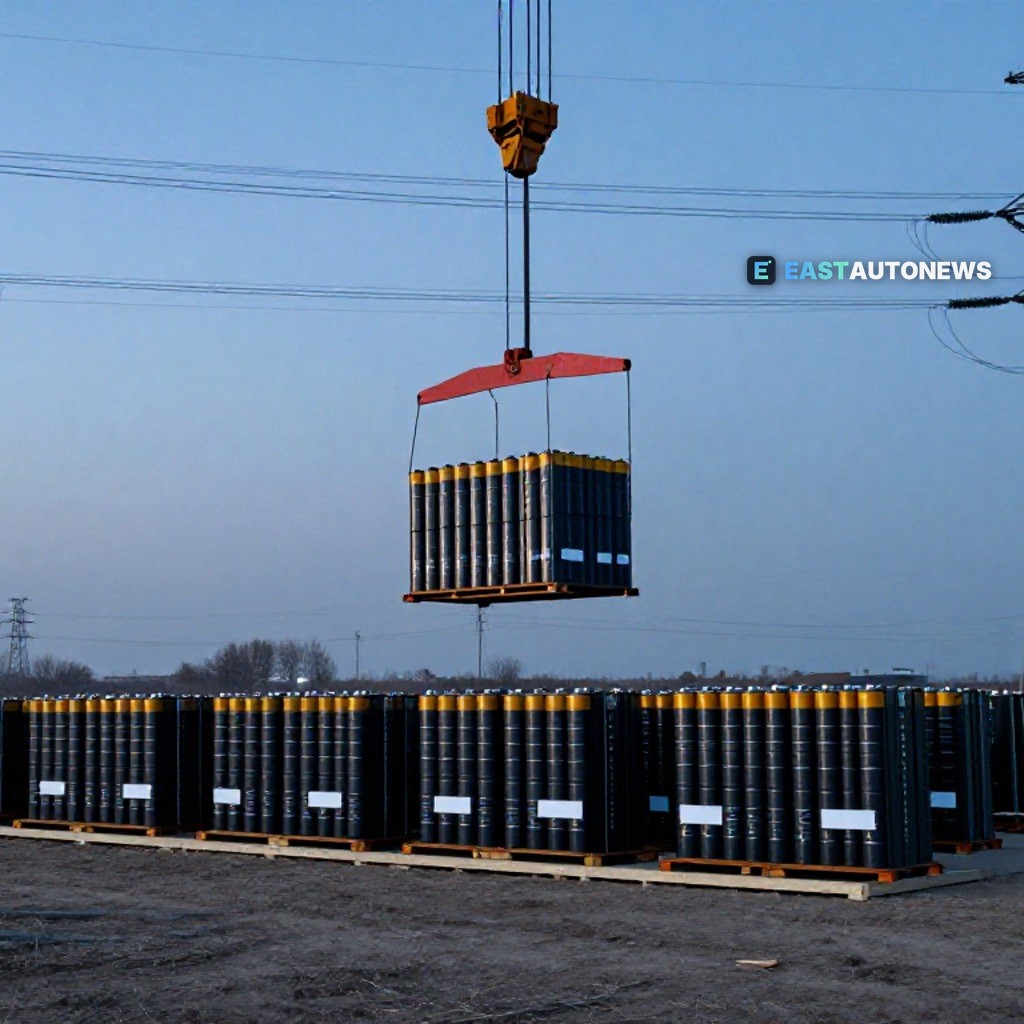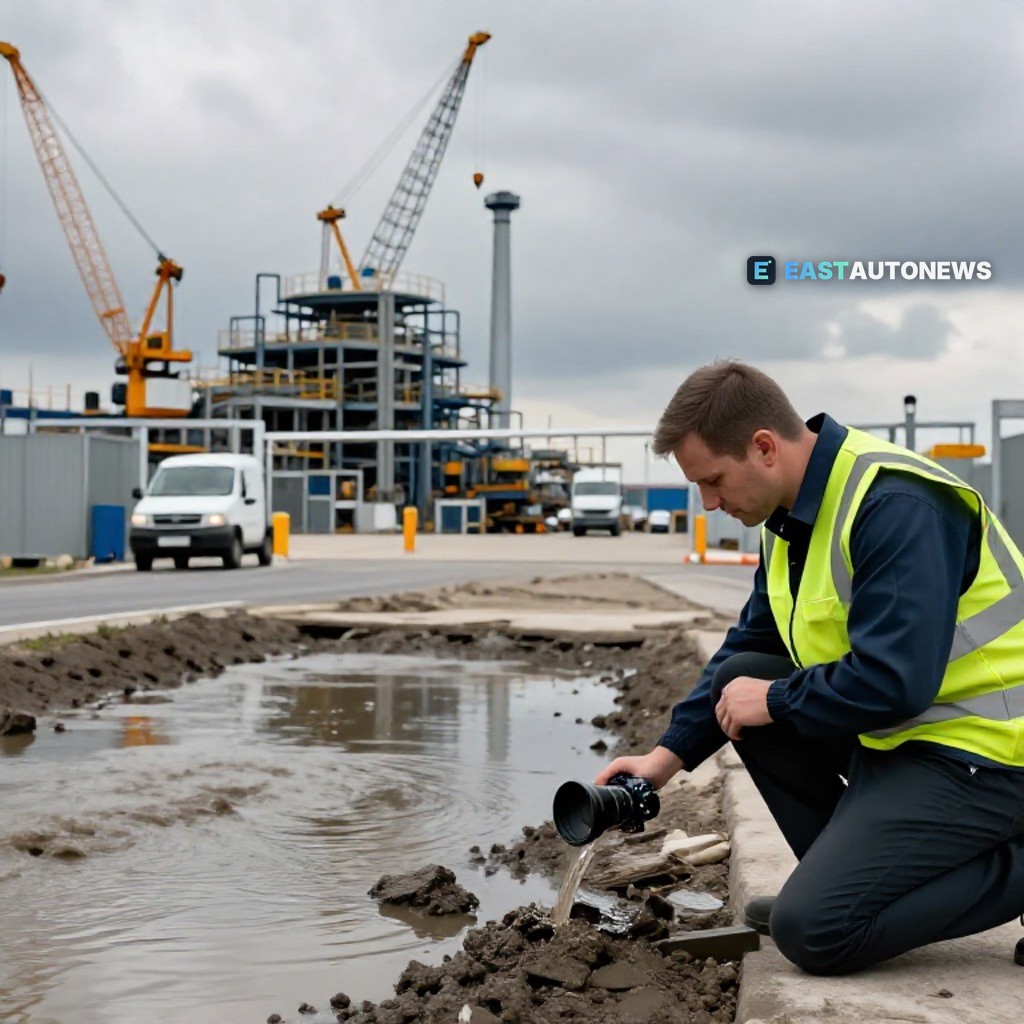
The inspectors have arrived in Hungary's battery belt. For years the country pitched itself as a beating heart of Europe's electric transition, courting the cell and component makers on which automakers across the continent now depend. But under the new government of Peter Magyar, the regulatory weather has changed: environmental enforcement is markedly stricter than under Viktor Orban, work at some factories has ground to a halt, and companies are being hit with pollution fines. Hungary's electric-battery dream, as one French report puts it, is turning into a headache.
The details are stark. Authorities have closed the Semcorp plant in Debrecen — a shutdown the company contests, disputing the results of the tests behind the intervention. Meanwhile SK On and EcoPro, two heavyweight names of the industry, have been fined for pollution. Several industrial players in the sector had already been regularly singled out for their environmental practices, and the message from Budapest is unambiguous: battery factories, like any other industry, must comply with environmental law.
The timing could hardly be more sensitive. The plants now under scrutiny are not marginal players — they are links in the supply chain that keeps Europe's EV production lines moving, and much of that capacity is foreign-owned. A recent analysis warned that Europe's EV boom risks running on foreign power, with only a handful of European ventures holding their ground against an influx of outside players. Hungary's crackdown is, in effect, a live stress test of the question facing the whole continent: can Europe scale battery production quickly without cutting corners on its own environmental rules?
The contrast next door is telling. While Budapest polices its battery giants, Porsche has invested roughly €1 billion in a dedicated battery module facility in Horná Streda, Slovakia, built specifically for the electric Cayenne — one of the few European ventures trying to anchor the technology on home soil. For Central and Eastern Europe's competing investment hubs, Hungary's enforcement wave cuts both ways: stricter rules may cool the appetite of some investors, but they could equally hand an edge to neighbours able to promise both scale and compliance.
For the industry, the stakes are immediate. Automakers sourcing cells and components from the region now face uncertainty over output at a delicate moment in Europe's EV ramp-up, and suppliers are watching closely whether the fines and stoppages in Hungary set a precedent across the region. Semcorp's decision to contest the test results signals legal battles ahead — and how Budapest balances its environmental ambitions against its industrial ones will help decide where the next wave of battery billions lands in Europe.
Whatever the outcome in Hungary's factories, the cars already built keep finding their drivers. Readers looking for a vehicle — electric or otherwise — can find sensational cars at sensational conditions at WorldTrader24, Europe's marketplace with over 70,000 vehicles.