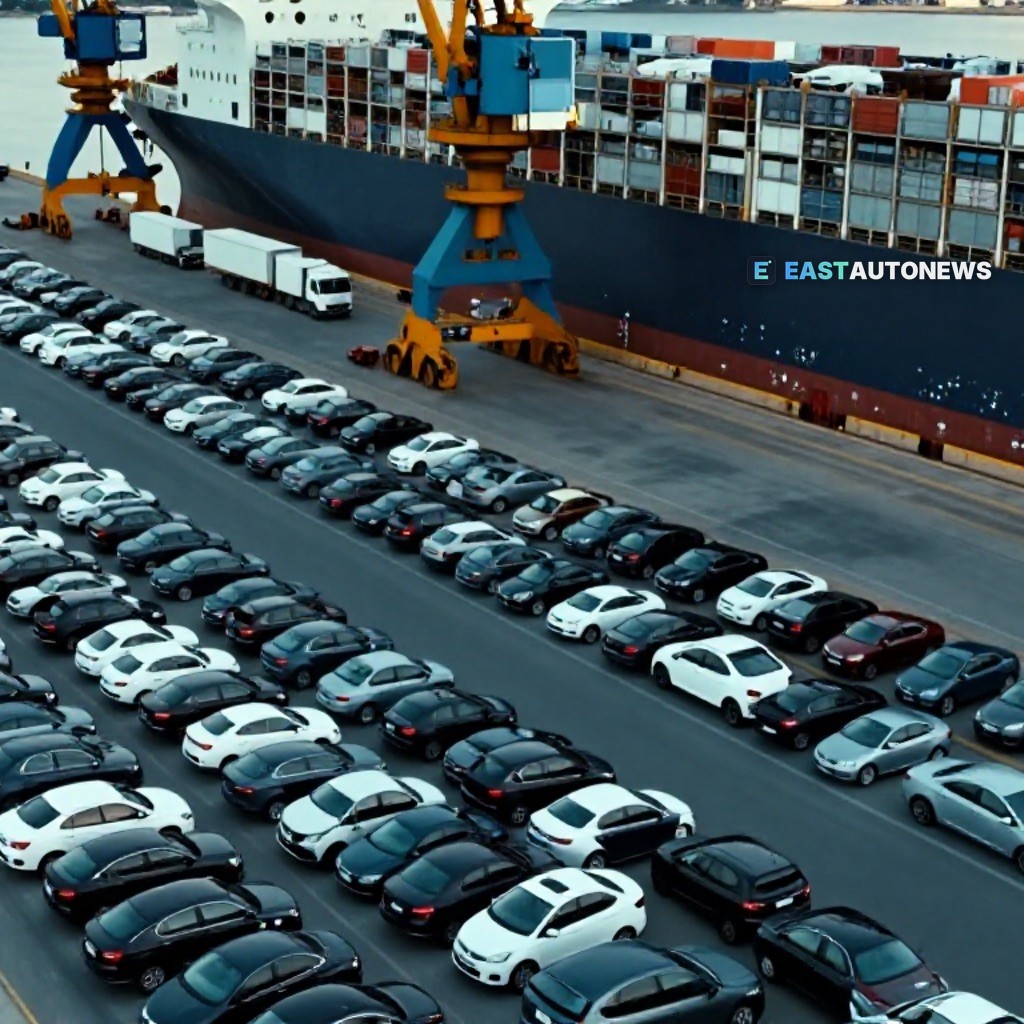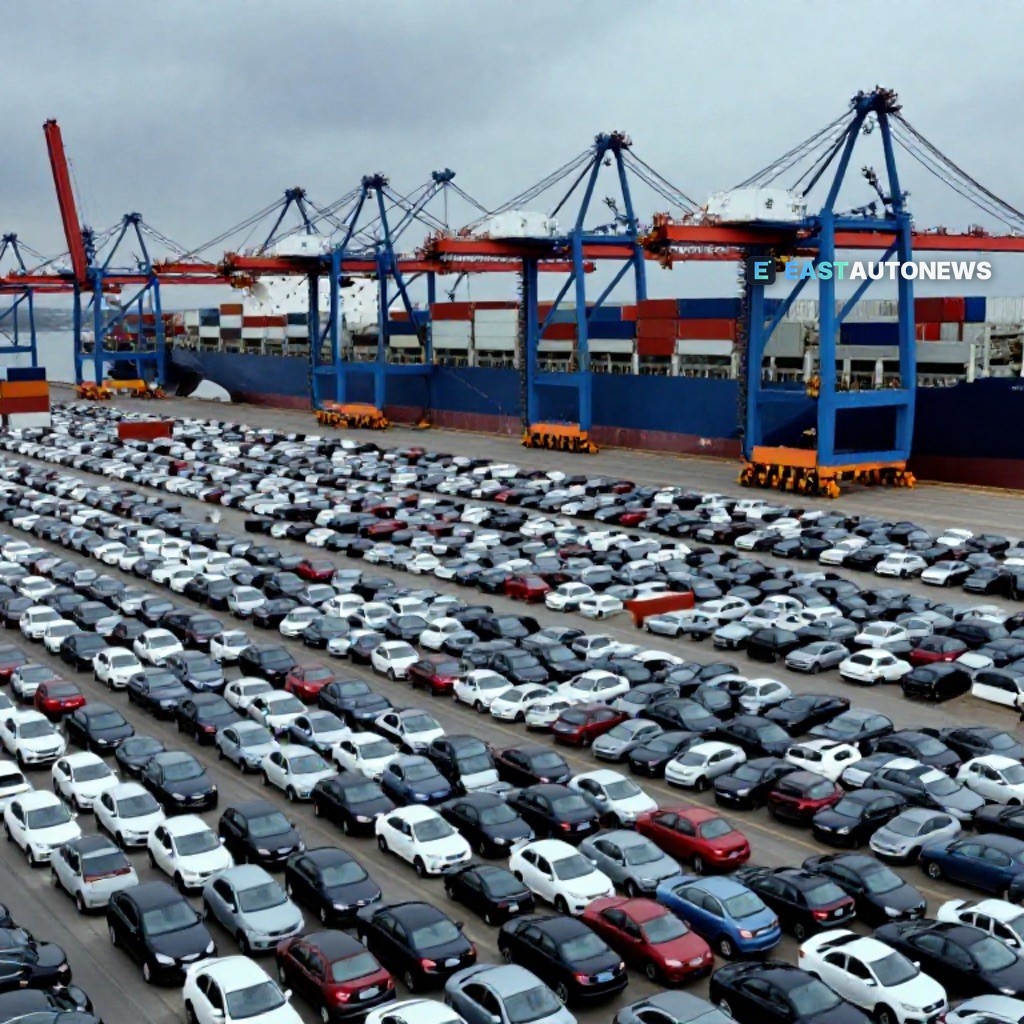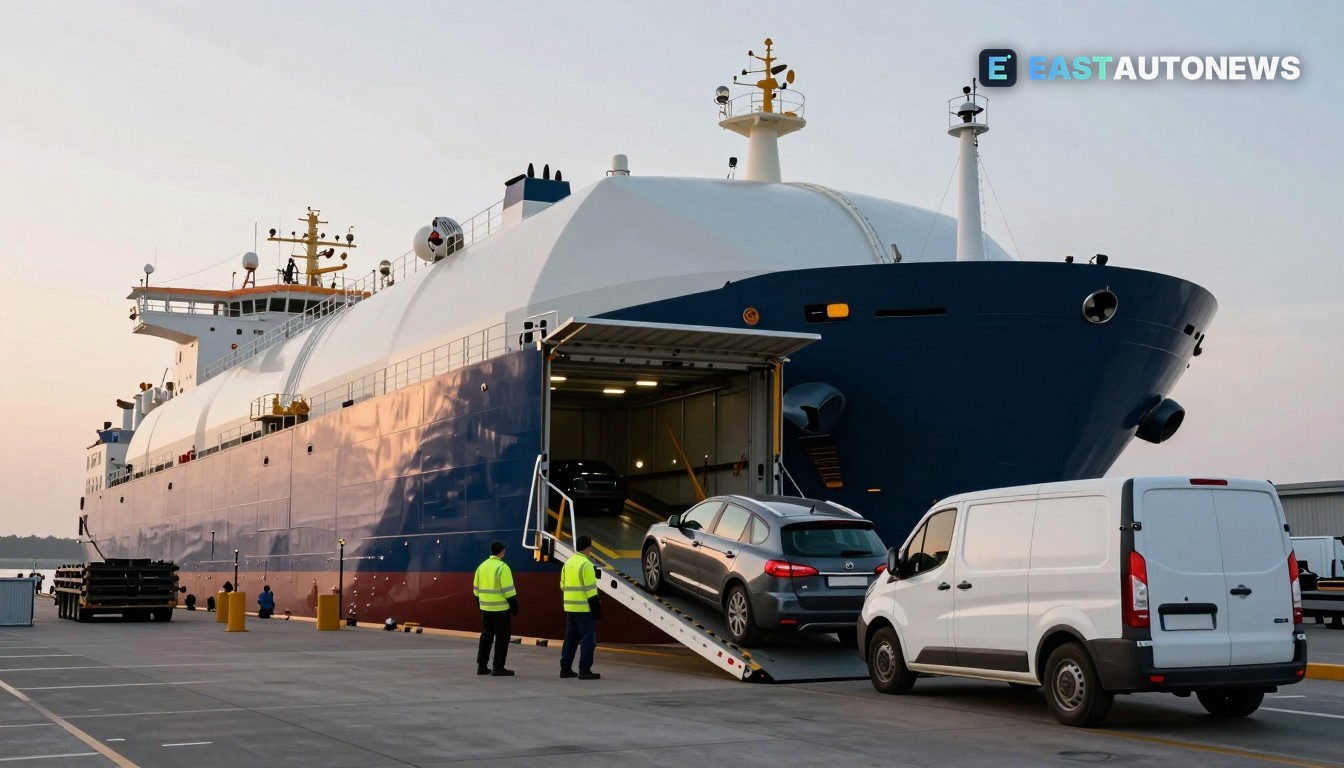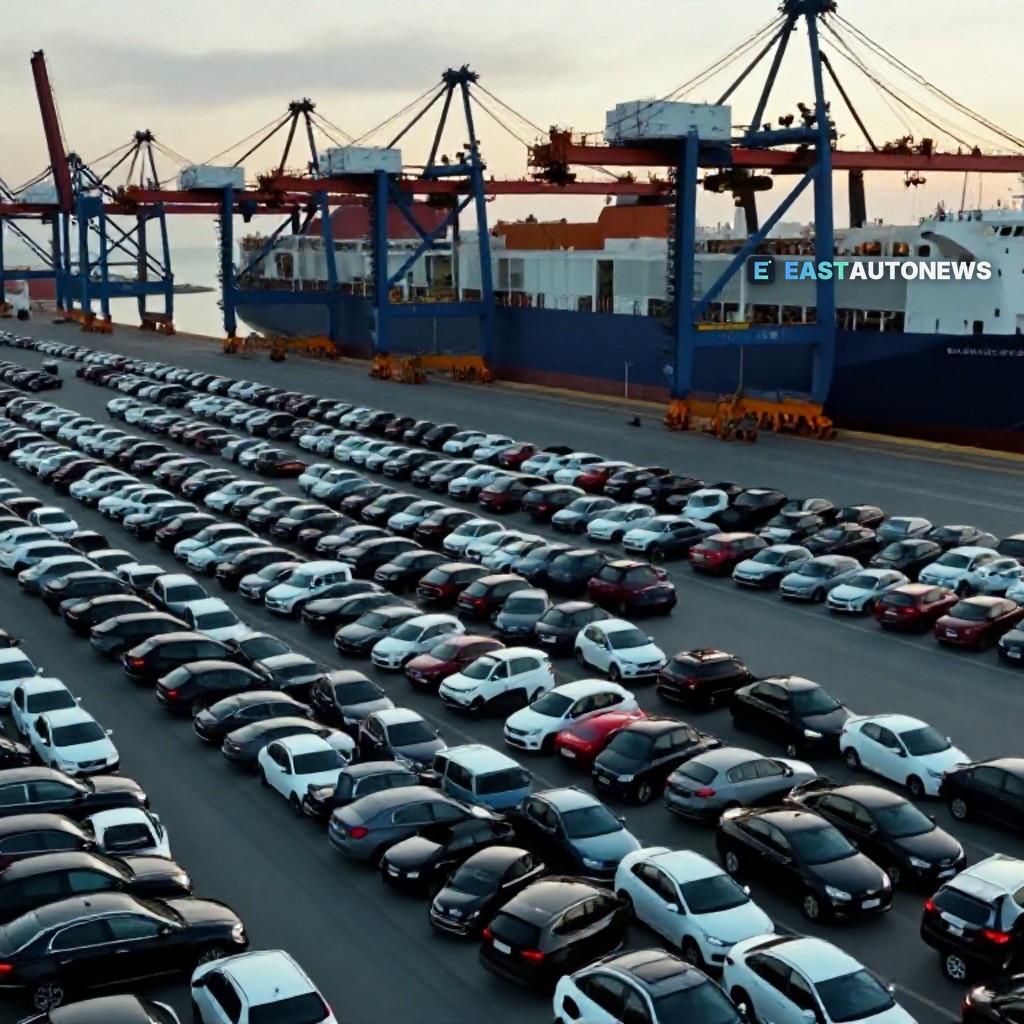
The flood of Chinese-built vehicles is redrawing Europe's port map. According to a report by South Korea's Chosun Ilbo, Mediterranean ports are emerging as the continent's new import hubs as North Sea facilities struggle to absorb the sheer volume of Chinese cars arriving from Asia. The shift is structural rather than seasonal — and it is changing the routes by which vehicles reach inland markets, with knock-on effects for distribution into Central and Eastern Europe.
The scale of the surge explains the strain. BYD, the Chinese giant spearheading the export wave, shipped 170,194 vehicles abroad in October — a jump of 102.84 per cent year on year, according to company figures reported by ad-hoc-news. That export boom has become the group's growth engine as home demand cools, offsetting a 2.16 per cent decline in ten-month group sales; cumulative January-to-October sales stood at 3.622 million vehicles, and the company has rolled out its 19-millionth new-energy vehicle. Production keeps expanding — and the outbound flow keeps landing on European quays.
Nor is Europe the only market feeling the push. In India, BYD has cleared a key import hurdle: homologation removes the 2,500-unit import restriction on three models, giving the carmaker room to scale its EV business as it enters the luxury segment with Denza, Livemint reports. In South Korea, its low-cost strategy is meeting price-sensitive buyers as the company seeks to evolve from a simple exporter into a major regional producer, according to The Business Times. European tariff walls and EU scrutiny remain headwinds, but the volumes keep coming — and they have to land somewhere.
For the regional trade, the consequences are practical. As Mediterranean gateways take a growing share of Chinese imports, the inland corridors feeding Central and Eastern European showrooms shift with them, with implications for delivery times, handling costs and where dealers source their stock. As Chinese-brand availability widens across the continent, comparison platforms are becoming a first port of call for buyers: WorldTrader24.de, the European marketplace listing more than 70,000 vehicles, lets dealers and private buyers alike check availability and pricing as supply chains reroute.
The new logistics map matters for transport capacity, too — businesses rethinking their distribution footprint may find themselves shopping for vans or trucks rather than passenger cars. Readers looking for a vehicle, from commercial models for fleet operators to the latest passenger cars, can find sensational cars at sensational conditions at WorldTrader24, Europe's marketplace with over 70,000 vehicles.