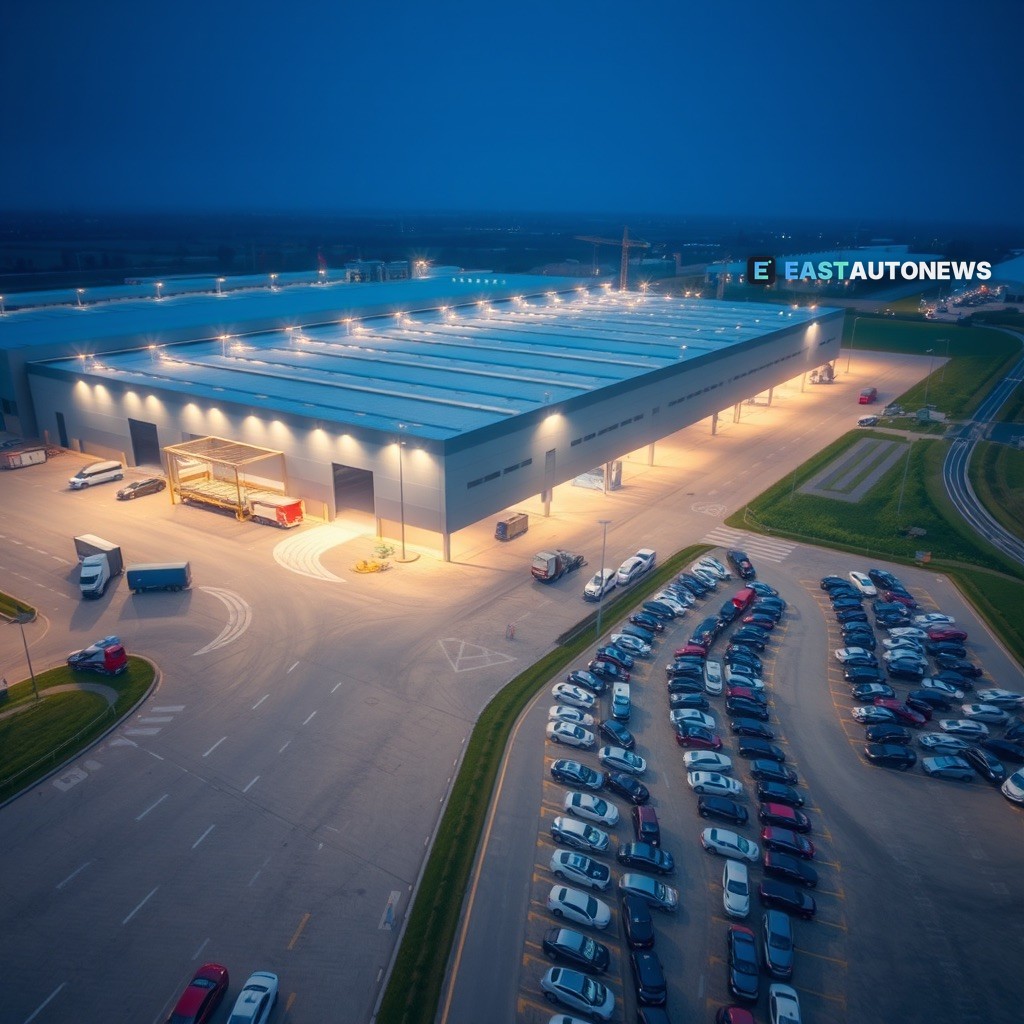
The map of European trade is being redrawn, and the new routes increasingly run through Poland. In the latest sign of the shift, Uzbekistan has established a logistics hub in the country, designed to streamline deliveries of Uzbek products to Europe and to push deeper into major retail networks across Central and Eastern Europe. For a country better known for its car plants than its caravan routes, the message from Tashkent is unmistakable: when Central Asia wants European shelf space, it now ships through Polish warehouses.
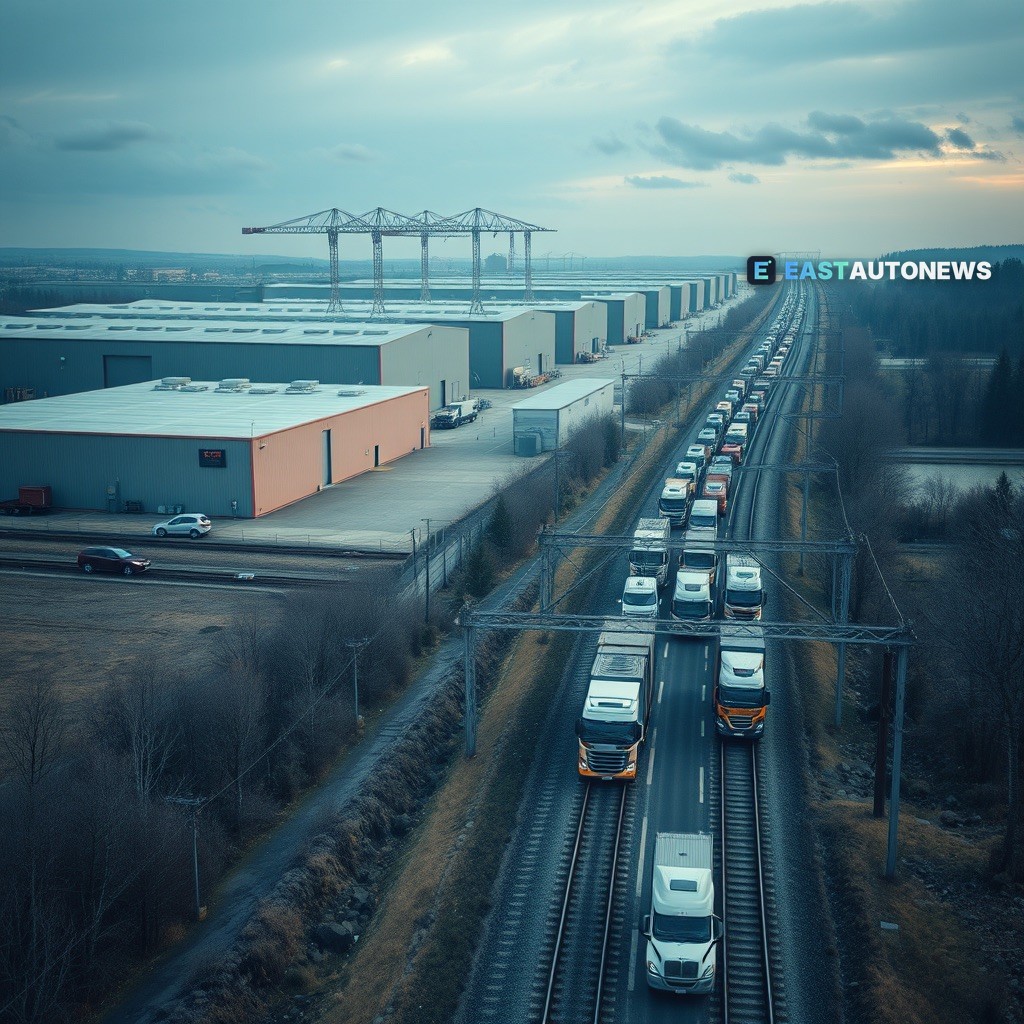
Poland has the industrial muscle to back up that ambition. The automotive industry alone accounts for about 11 percent of the country's industrial production, a sizeable slice of the economy that keeps parts, components and finished vehicles moving along the very corridors the new hub will rely on. More striking still is what is happening on the truck side: Poland is currently driving the recovery of the EU truck market, with demand for new equipment rebounding faster in parts of Central and Eastern Europe than in several of Western Europe's largest economies.
The port city of Gdańsk explains much of the pull. Since traffic at the Greater Odesa ports has been restricted, container calls there remain limited, and European ports have taken over a large share of the volume bound for Ukraine — with Gdańsk standing out as the main gateway. Logistics operators such as Rohlig SUUS Logistics sit at the heart of these rerouted flows, feeding cargo from the Baltic coast into Ukrainian supply chains.