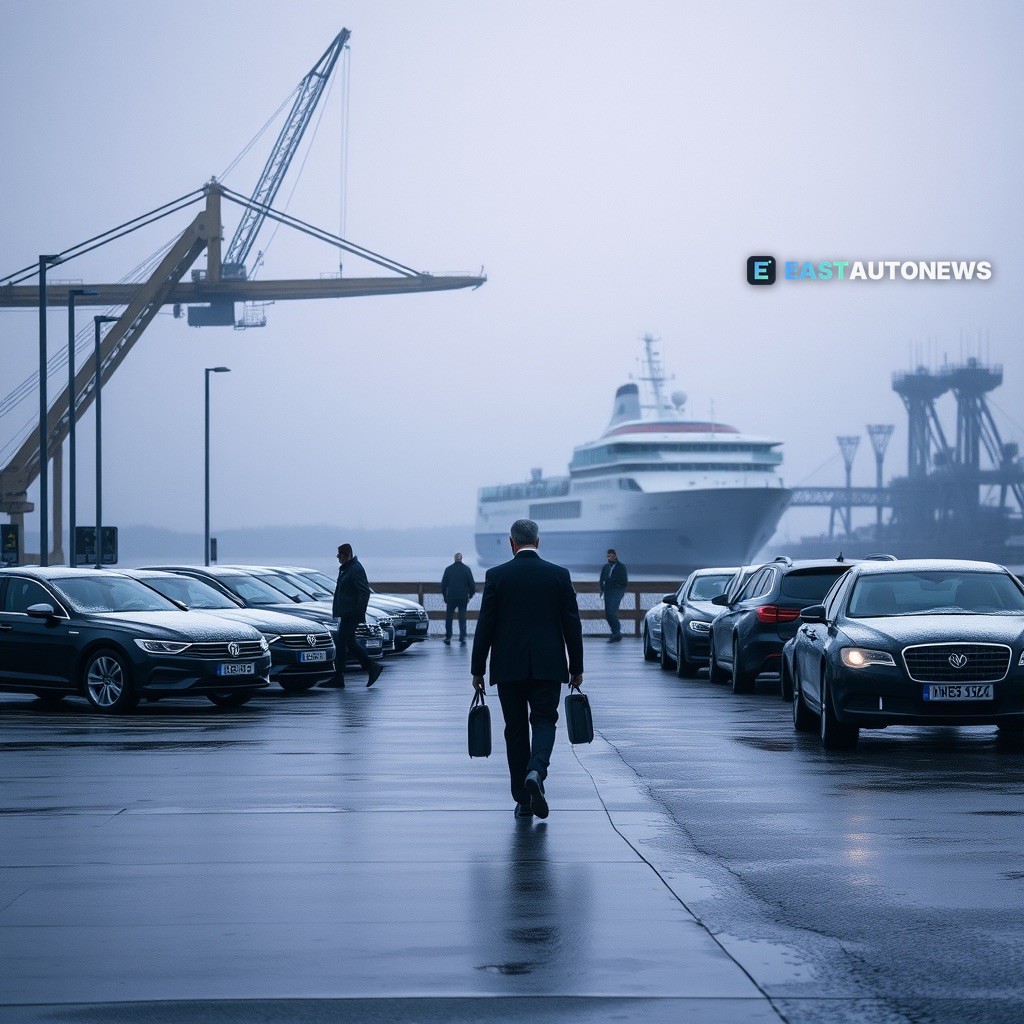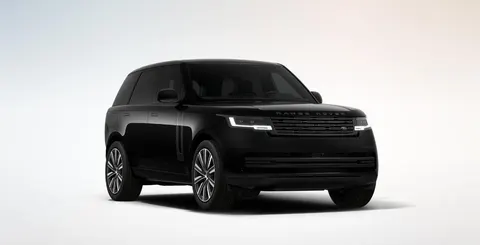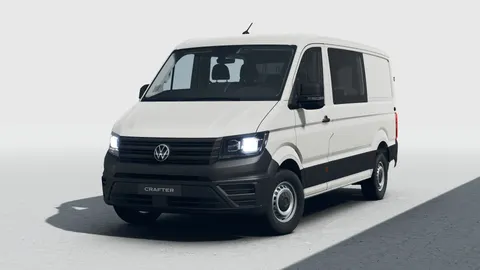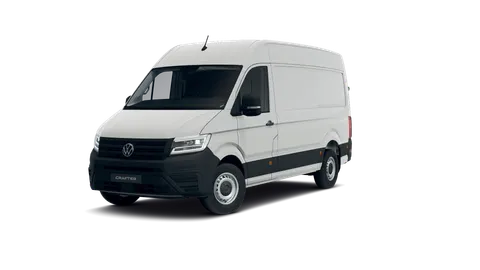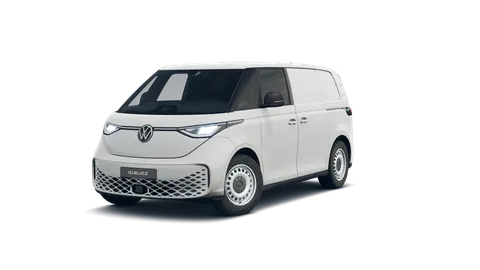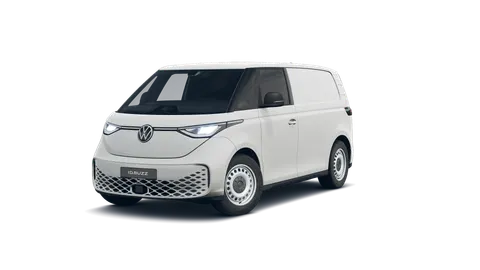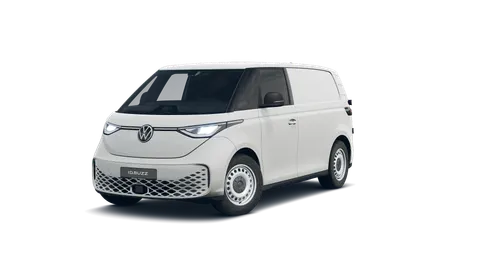
The fear has finally left the showroom. Estonia's new car market, which spent months frozen in anticipation of taxation, has staged an unexpected jump: 16,384 new cars were registered in the first ten months of the year, marking an active recovery that few in the Baltic trade saw coming. The tax stayed on the books — but the panic, it seems, did not. Buyers who once held back are back at the dealers' desks, and Estonia's automotive sector is feeling the thaw.
What makes the rebound striking is the mood surrounding it. Estonia's consumers have actually turned more pessimistic, yet the trade sector — car dealers very much included — posts the strongest confidence reading in the economy at +23, with services at +2.7 and industry at +3.5, all up on September. In plain terms: the people selling cars are more bullish than the people buying them, and the buyers are buying anyway. For a market long defined by caution, that is a quiet but meaningful shift.
There is a curious wrinkle in the wider retail picture, though. September's retail sales growth softened as automotive fuel turnover declined for the first time in nearly two years, according to Statistics Estonia. More new cars rolling out of showrooms, yet less money moving at the pump — a combination that suggests Estonia's consumption engine is running unevenly, and one that trade analysts will be watching closely through the final quarter of the year.