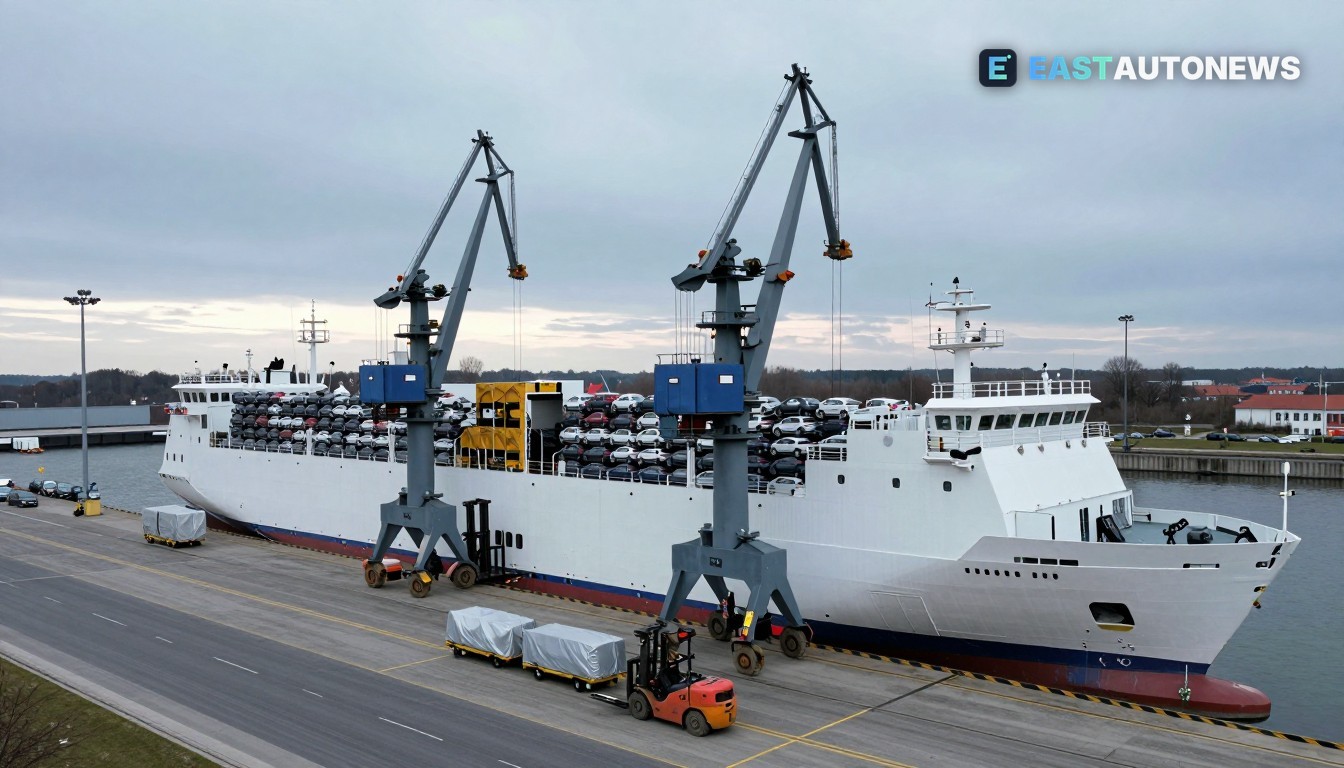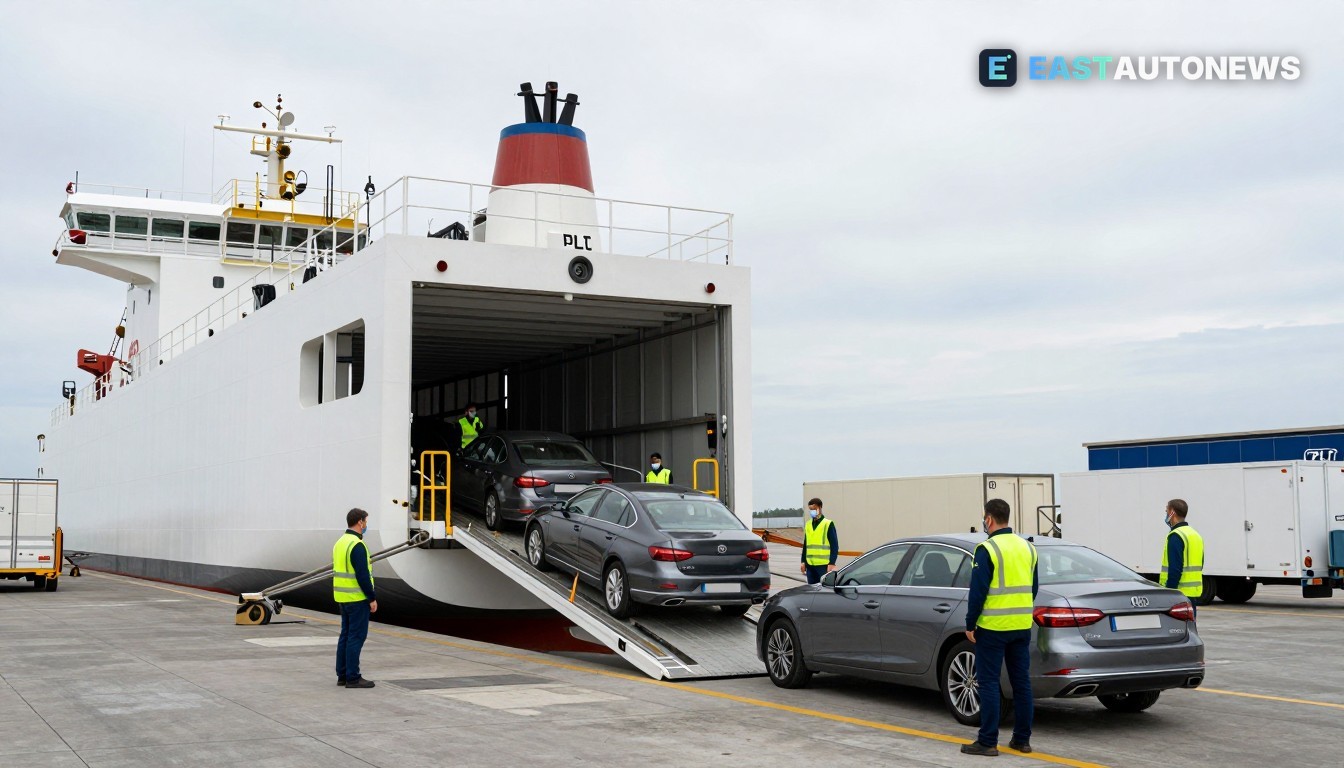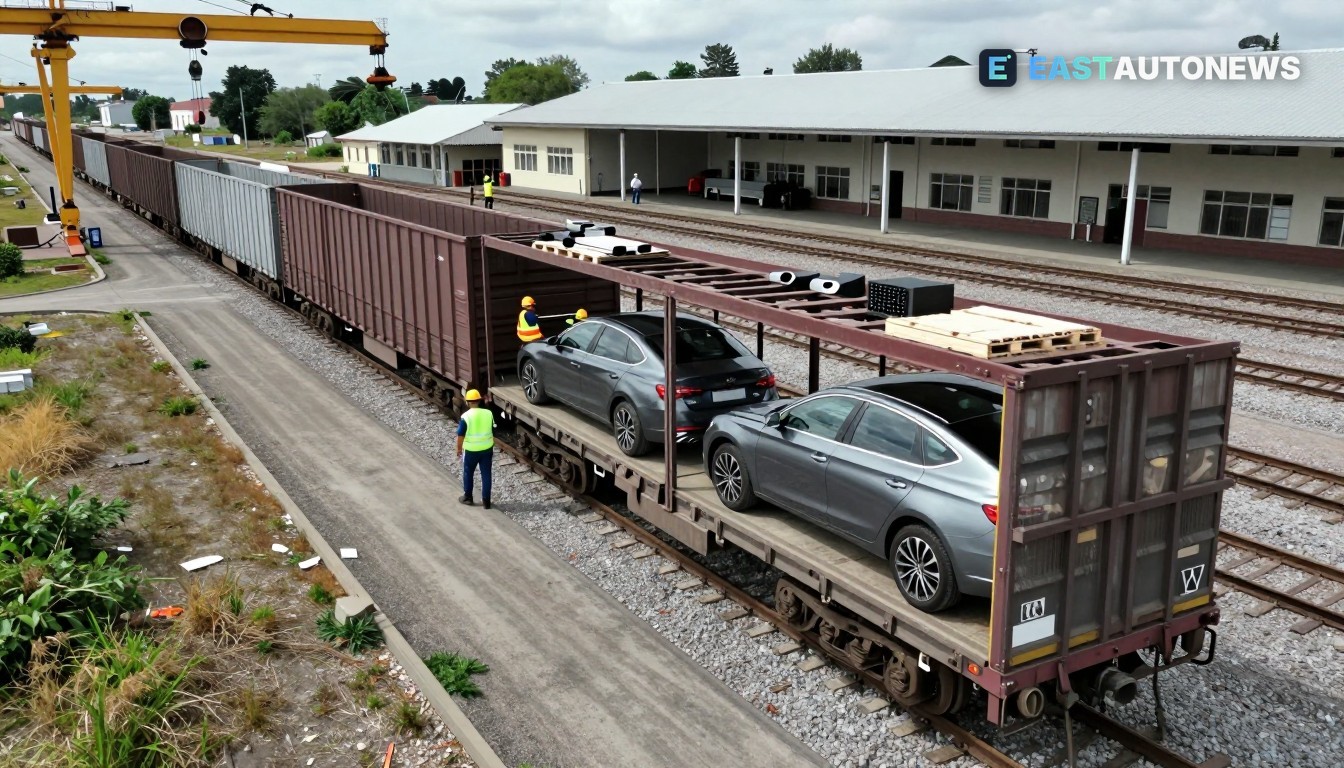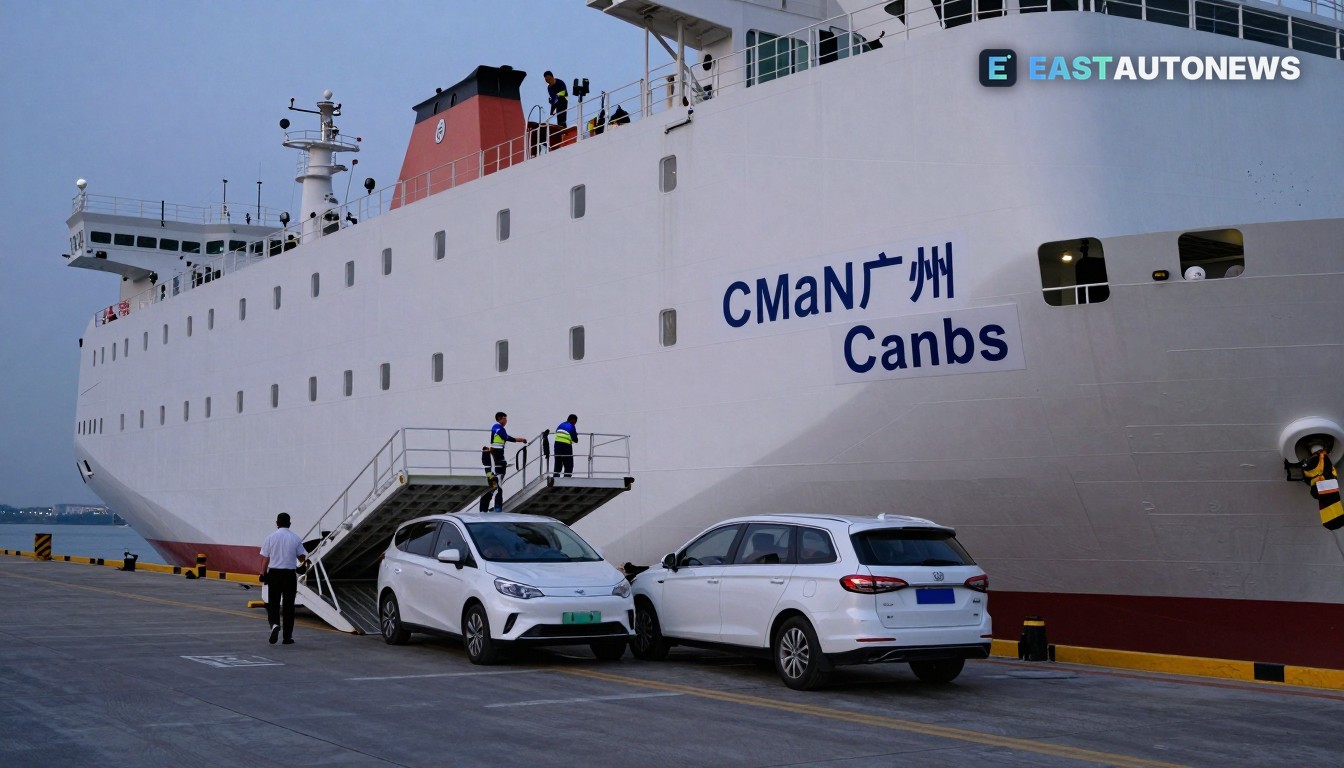
China Merchants Energy Shipping (CMES) has taken delivery of CM Guangzhou, the first of a four‑ship series of 7,800‑CEU pure car and truck carriers (PCTCs) with methanol dual‑fuel capability, the vessel handed over in October and reported by maritime press on Nov. 13, 2026. The ship bunkered biomethanol at Nansha and began export loading operations for Europe, carrying more than 4,000 new‑energy vehicles on its first voyage.
Ship details and fleet strategy
CM Guangzhou is a Deltamarin‑designed 7,800‑CEU PCTC operated by China Merchants RoRo and described by industry outlets as sized for wider berth access and flexible route scheduling compared with very large Ro‑Ro vessels. The vessel is the lead unit of a four‑ship series intended to mix trunk and feeder services for automotive exports. The handover took place at a Chinese yard in October and the ship was active in export operations by early November.
Regional logistics context
The delivery comes amid a surge in newbuilds and green‑fuel car‑carrier orders worldwide: DNV/market trackers reported dozens of alternative‑fuel ship orders in October 2026, with LNG and other low‑carbon propulsion types prominent, and brokers note the car‑carrier orderbook expanded sharply during 2026. Owners ordered an unusually high number of new car carriers in the first nine months of 2026, a factor market analysts say will increase available lift for China’s booming vehicle exports to Europe.
What this means for the market
For Central and Eastern Europe the addition of mid‑sized, berth‑friendly PCTCs such as CM Guangzhou can ease pressures on capacity and routing flexibility. The ship’s 7,800‑CEU size makes it suitable for calls at a wider set of European ports — including Baltic and Adriatic terminals that serve CEE carmakers and importers — and the vessel’s early voyage, loaded with more than 4,000 new‑energy vehicles, signals carriers’ intent to move large volumes of EVs and NEVs onto Europe‑bound sailings. That could moderate short‑term freight and ro‑ro premium spikes on some lanes, though most shipowners’ newbuild deliveries are phased across 2027–2030.
Green‑fuel capability is also relevant for port operators and regulators: methanol‑ready and LNG dual‑fuel ships are increasingly common in the car‑carrier orderbook, which matters for berth infrastructure, bunkering choices and environmental compliance at European ports that handle vehicle imports. Ports competing for Asia–Europe auto flows will need to weigh access to alternative fuels and suitable Ro‑Ro berths when courting liner calls.
New-energy vehicle listings on WorldTrader24 →
Sources: Baird Maritime, Forwarder News, Marvel Solutionz