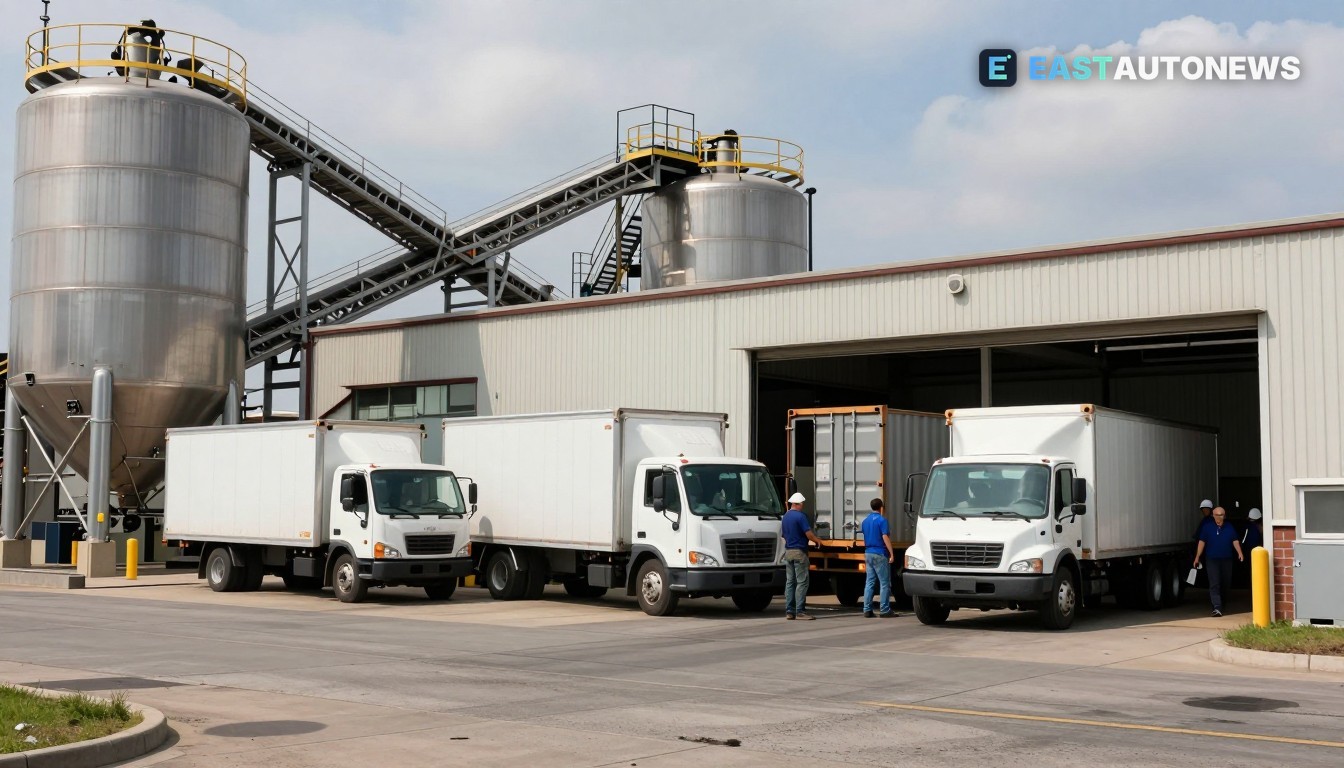
Belgian materials group Umicore said on November 12, 2026 it will invest €450 million to expand the Precious Metals Refining flowsheet at its Hoboken site, a project that will enable cobalt refining and recycling and was recently selected as a strategic project under EU rules.
What Umicore announced
The company’s press release says the €450m decision will increase the flowsheet’s feed flexibility, shorten throughput times for platinum group metals and add capacity to recover “minor and specialty metals” — specifically enabling cobalt to become the 18th metal refined at Hoboken. The statement was published on Nov. 12, 2026.
Umicore also said the investment comes alongside proposed changes to its operating model intended to deliver annualised savings of about €60 million by Q4 2028; the company warned those changes may affect jobs and said they could lead to cuts of up to roughly 350 positions.
Chief Executive Bart Sap was quoted in the release: “Our continued solid performance allows us to reiterate our full‑year 2026 guidance. Yet to stand still is to fall behind.” The company framed the flowsheet expansion as strengthening its long‑term competitive position in recycling and critical raw materials for Europe.
How this affects EV supply chains in Central and Eastern Europe
Although Hoboken is in Belgium, the announcement matters across Europe because Umicore’s refining and recycling output is a feedstock source for battery‑materials supply chains that serve factories across the continent, including CEE. By adding industrial cobalt recovery, the project increases Europe’s domestic capacity to reclaim and re‑use a metal still present in many battery chemistries and in specialty applications — reducing reliance on overseas raw imports and supporting regional battery and cell makers.
Industry commentators and trade trackers noted the decision on Nov. 12 underscores a wider push in Europe to close material loops and secure critical metals locally — a priority reflected in EU funding and strategic‑project status for industrial recycling expansions. Analysts say improved European refining and recycling capacity can relieve some upstream pressure for CEE cell and gigafactory projects that face tight supplies of processed metals.
What this means for the market
Short term, the investment signals increased industrial investment into circular battery raw materials in Europe and should be welcomed by OEMs and battery makers that source recycled feedstock. Over the medium term, enhanced cobalt recovery at Hoboken could modestly reduce Europe’s exposure to supply‑chain shocks for metals used in certain battery chemistries, and support manufacturers in Poland, Hungary, Slovakia and Romania that are expanding cell and pack assembly. However, the accompanying operating‑model changes and the company’s estimate of up to ~350 job reductions underscore the social and transitional trade‑offs of industrial restructuring.
For CEE governments and industry, the takeaways are twofold: securing domestic and regional access to refined metals remains strategic for local EV industrialisation, and Europe’s growing recycling capacity will be an important lever in reshaping the continent’s battery value chain away from primary‑mined imports.
Electric vehicle listings on WorldTrader24 →
Sources: Umicore, ChemEngOnline, CellsDesk