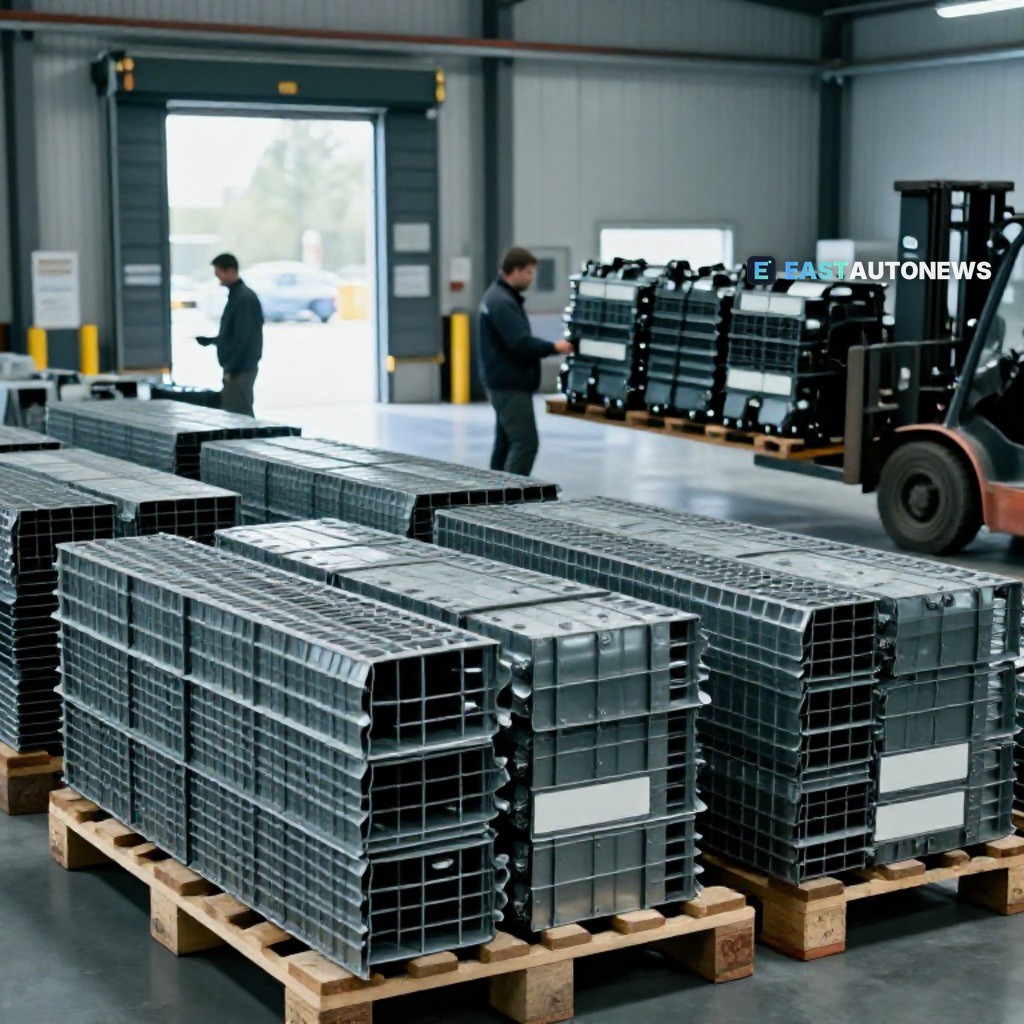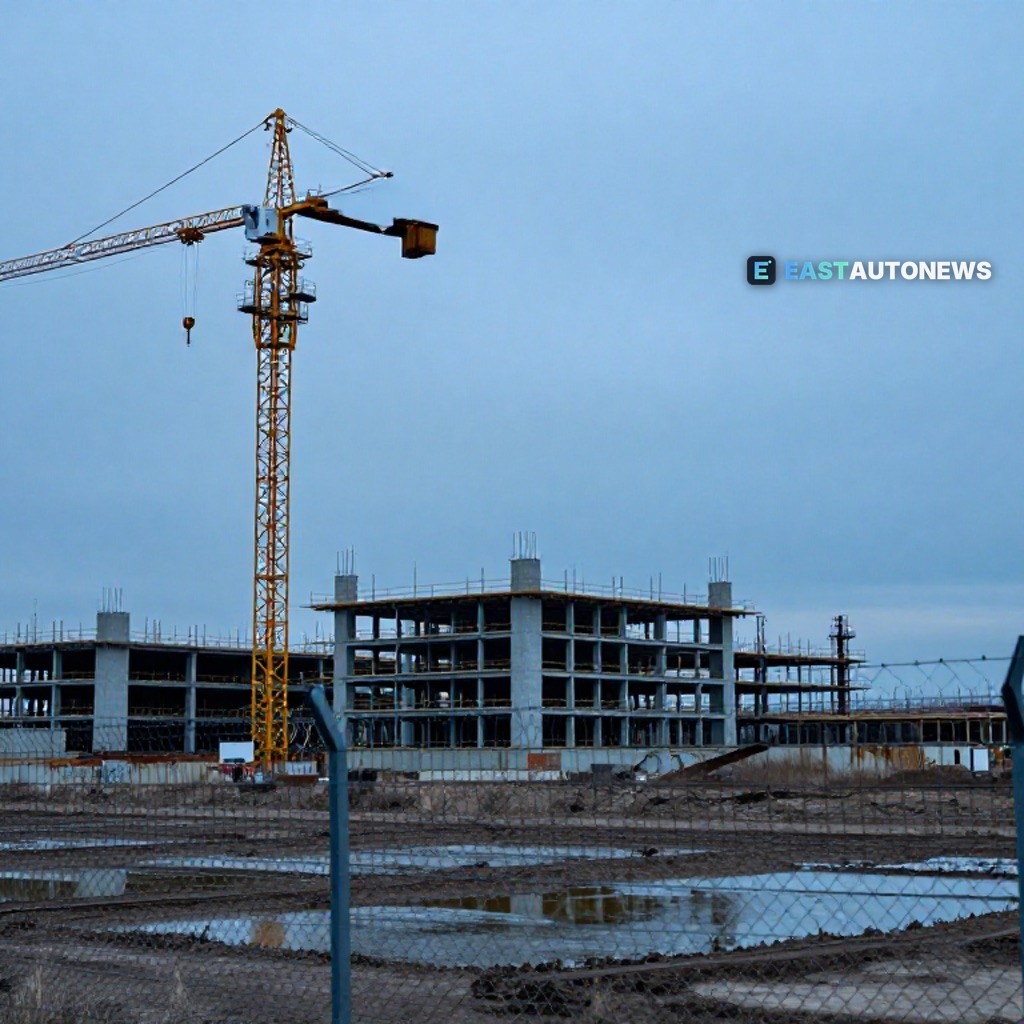
German media reports, aggregated in the latest Automotive Supply Chain Risk Digest, say environmental certification and wastewater issues have delayed CATL's new Hungarian battery plant, forcing the Chinese cell maker to keep supplying European customers with shipments from China. The findings give a concrete cause to earlier reporting that a leaked CATL memo had put supply plans for the Hungarian site under review — and they underline how tightly European EV production still depends on transcontinental cell logistics.
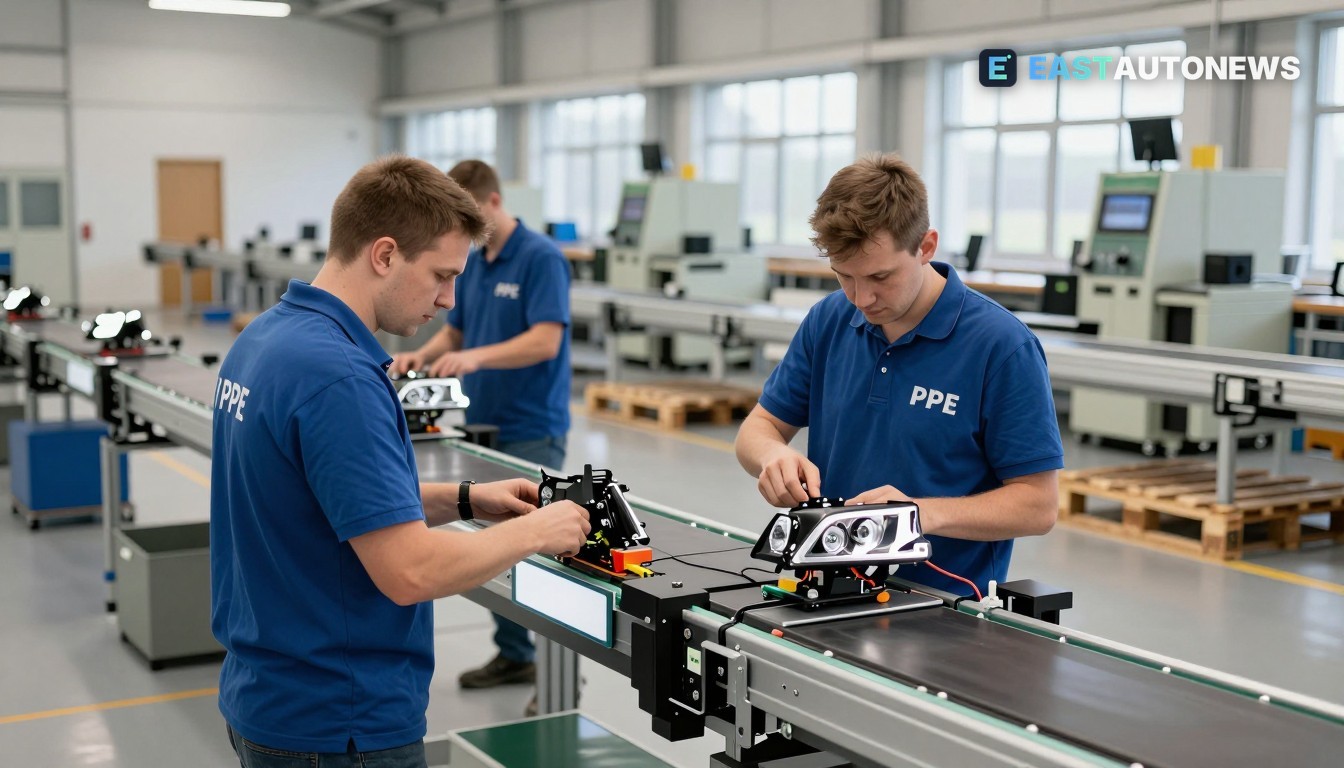
The same reports describe further friction in Europe's supply chains: supplies of wire harnesses were delayed by disruption at specialist Krombe, while the digest's central warning — chip costs and single-source dependencies stalling output — points to a structural weakness that no single carmaker can fix alone. For manufacturers across Central and Eastern Europe, a delayed flagship battery plant means cells travelling thousands of kilometres from China instead of arriving from a regional factory, with longer lead times and higher freight costs the direct consequence.
The timing could hardly be more awkward, because demand for battery-electric cars is accelerating. According to Automotive News, battery-electric vehicles (BEVs) took 34 percent of October registrations across 12 major European markets. In Germany, BEVs reached a 37 percent share as higher fuel prices and a growing choice of affordable models pushed buyers away from combustion engines — momentum that has built even though MEPs recently softened the 2035 car CO2 target to 87.5 percent. The U.K. and France were also strong markets for electrified vehicles.
The mismatch is stark: just as European buyers embrace electric models in growing numbers, the continent's localized battery capacity is arriving later than planned. Until the Hungarian plant clears its environmental hurdles, carmakers will keep paying for cells shipped from China — in freight costs and in supply risk — while wire-harness disruption and chip cost pressures add further uncertainty to production schedules across the region.
For suppliers, the episode is a reminder that in the battery race, permits and wastewater treatment are as decisive as construction schedules. Certification delays can undo months of planning, and single-source dependencies turn every local disruption into a regional problem — which is why diversified cell supply is likely to remain high on European purchasing agendas.
For dealers and buyers, supply bottlenecks of this kind can shift delivery times and prices for new electrified models, making a careful comparison of offers across Europe all the more worthwhile. Readers looking for a vehicle can find sensational cars at sensational conditions at WorldTrader24, Europe's marketplace with over 70,000 vehicles.