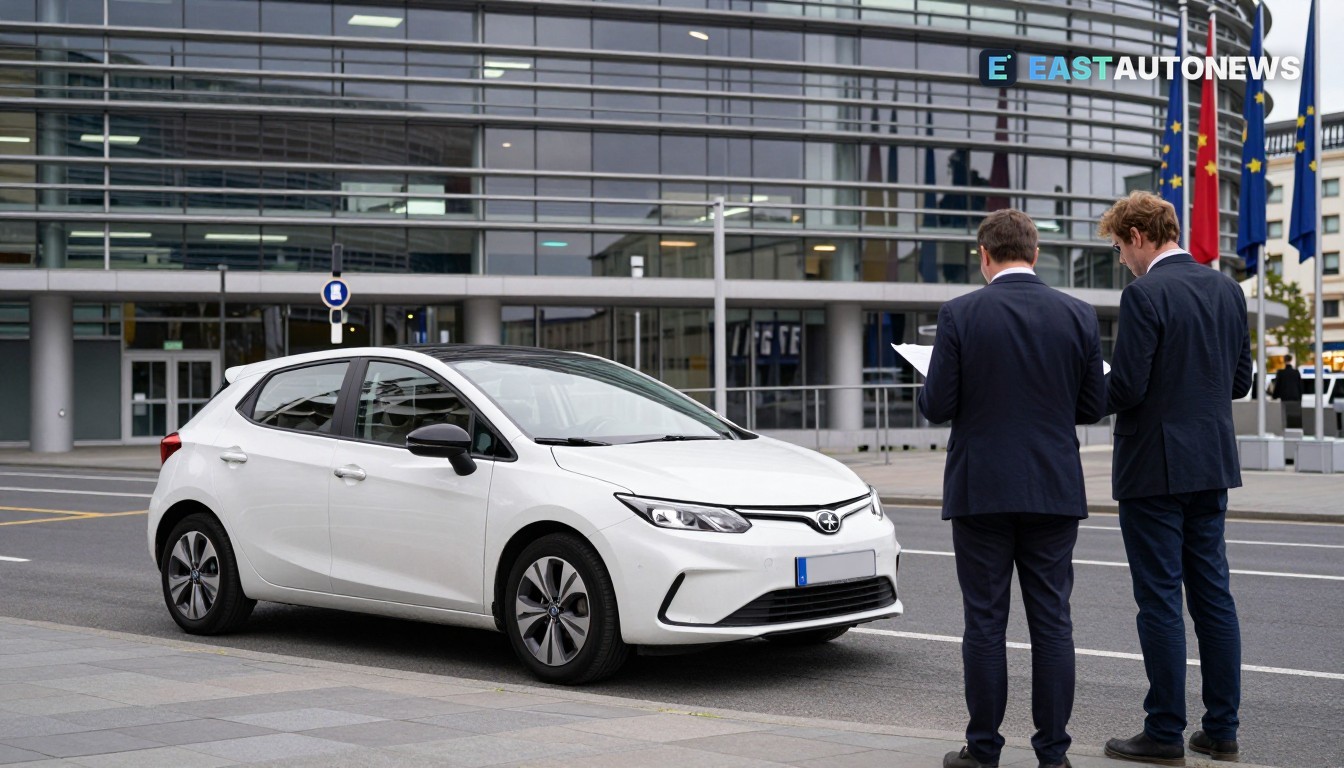
The European Parliament’s Environment, Internal Market and Transport committees endorsed a package of draft automotive reforms on 4–5 November 2026 that would create a new EU category for "small electric vehicles" and attach generous multipliers to EU‑made low‑consumption EVs and vans. The committees adopted the omnibus text by 105 votes in favour, 39 against and 21 abstentions, while the Environment (ENVI) committee separately approved revised CO2 targets by 48 votes to 30 with two abstentions.
Key measures agreed in committee
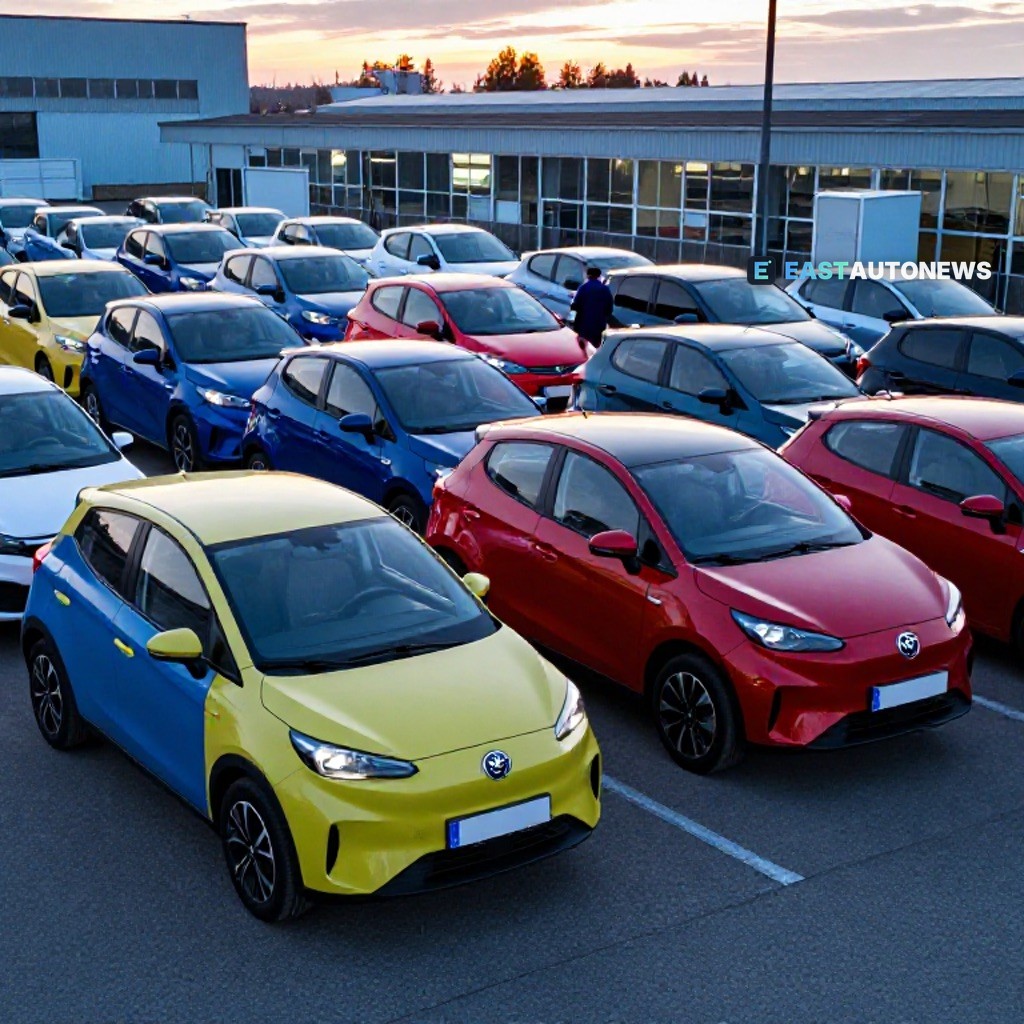
Under the draft, a "small electric vehicle" would be a passenger car of category M1 built in the EU with a maximum length of 4.2 metres. Qualifying small EVs would count as 1.4 vehicles when manufacturers calculate their fleet average CO2 emissions; "highly efficient" EU‑made EVs would receive a 1.2 multiplier. Pure electric vans built in the EU would count as 1.2 vehicles until the end of 2034 and 1.4 from 2035. The ENVI committee’s text also proposes lowering the 2035 passenger‑car fleet CO2 reduction target to 87.5% (from 100%) and the vans target to 80%.
Committees also backed technical and safety changes: passenger cars and vans up to 3.5 tonnes would need child‑presence detection systems that work after a vehicle is switched off or locked, and door handles would be designed to allow mechanical opening in emergencies. The text sets a deadline of 31 December 2027 for the European Commission to adopt smart‑charging interoperability requirements between vehicles, chargers and the grid.
Negotiations and next steps
The committee texts are draft positions. Parliament is expected to vote on a negotiating mandate at the December 2026 plenary before talks with EU governments start; the proposals will require agreement with the Council to become law. The omnibus aims to simplify technical rules and testing procedures, and to provide targeted industrial incentives as part of a broader push to keep vehicle manufacturing competitive in Europe.
What this means for the market
For carmakers and suppliers in Central and Eastern Europe the committee package shifts the incentives landscape. Super‑credits for EU‑built small and very efficient EVs would raise the value of compact, low‑consumption models in manufacturers’ lineups, easing compliance with fleet CO2 targets and improving the economics of producing lower‑priced BEVs in European plants. The relaxation of the 2035 targets for cars (to 87.5%) and vans (to 80%) also gives manufacturers more time to manage the transition and reduces immediate compliance pressure on supply chains.
Suppliers of lightweight materials, electric drivetrains, and charging hardware could see demand re‑profiled towards smaller, more efficient platforms; the 31 December 2027 deadline for smart‑charging technical rules underlines the importance of interoperable charging and vehicle energy management systems for the region’s EV strategy. At the same time, any buyer incentives tied to "EU‑made" definitions will focus investment decisions — and political lobbying — on how value‑content rules are defined under parallel industrial legislation.
Rapporteur Massimiliano Salini (EPP, Italy) said the committee’s agreement "marks a turning point for the European automotive industry" and argued it preserves "technological freedom" while supporting decarbonisation. The vote now moves to the December plenary, where MEPs are expected to seek a negotiating mandate with member states.
Small electric vehicles and EV listings on WorldTrader24 →
Sources: European Parliament, Agence Europe