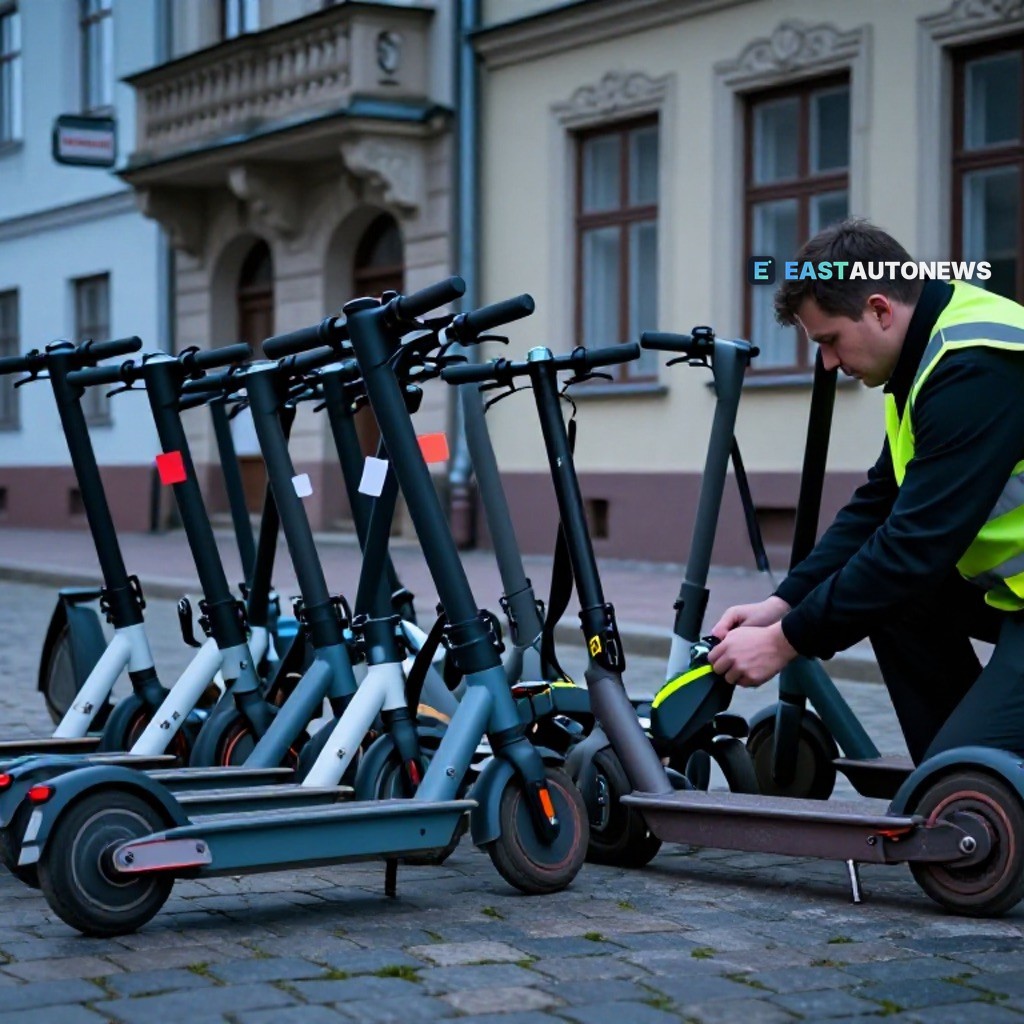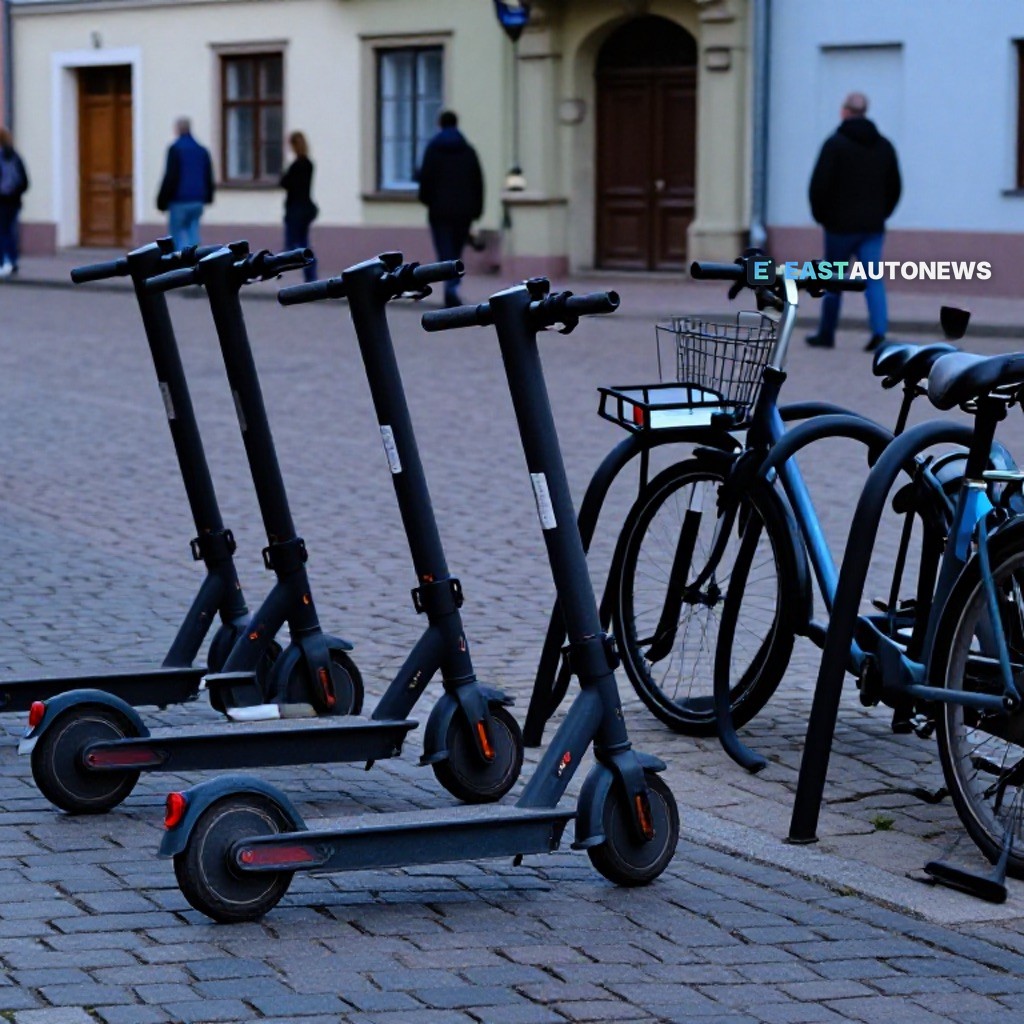
The free ride may be over for Lithuania's e-scooters. The country's Ministry of Transport has moved to tackle what it bluntly calls the "chaos" caused by electric scooters, with the transport minister putting a proposal before the Seimas, Lithuania's parliament, to tighten the rules governing their use. For a mode of transport that has woven itself into everyday urban life with remarkable speed, the message from Vilnius is unambiguous: convenience can no longer come at the cost of order on the street.
The proposal, tabled this month, now enters the parliamentary machinery. Precisely which levers the Seimas will ultimately pull — speed, parking, rider behaviour, insurance — will become clear as the draft advances through the chamber, but the ministry's framing leaves little doubt about the destination: Lithuania wants its streets back under control. For riders, the era of anything-goes scootering appears to be drawing to a close; for the businesses behind the vehicles, a new rulebook means new costs, new constraints — and, potentially, a more predictable market.
For the mobility business, the stakes reach well beyond one small Baltic market. Micromobility operators, insurers and city authorities across Central and Eastern Europe watch national rulebooks closely, because a tightening in one capital rarely stays contained: compliance models, fleet design and even hardware built for one regulatory regime often need rethinking when a neighbour follows suit. E-scooters may sit at the cheap end of electrified transport, but they share batteries, software and supply chains with the wider light-EV industry — and for many European city-dwellers, they are the first taste of electric mobility.
Lithuania's intervention also lands at a moment when Europe's rulemakers are redrawing the map for every kind of vehicle. In Brussels, the European Commission's December 2025 Automotive Package proposed a 90% tailpipe emissions reduction target for new cars by 2035, while European Parliament committees have pushed for simpler automotive rules and fresh incentives for small electric vehicles. The contrast is striking: where Brussels is loosening and simplifying to help Europe's car industry hold off agile Chinese competitors, Vilnius is tightening to bring discipline to the vehicles causing the most immediate friction on its streets. Two wheels or four, the common thread is the same — rules that fit how people actually move.
For now, the ball sits with the Seimas. If lawmakers back the ministry, Lithuania will signal that the anything-goes chapter of the micromobility boom is closed — and that the electrification revolution transforming showrooms must also transform how streets are governed. Operators active in Lithuanian cities, and the investors behind them, will be reading the fine print closely.
From scooters on the pavement to cars on the forecourt, Europe's mobility market is being rewritten — and so are the deals. Readers looking for their next vehicle, electric or otherwise, can find sensational cars at sensational conditions at WorldTrader24, Europe's marketplace with over 70,000 vehicles.