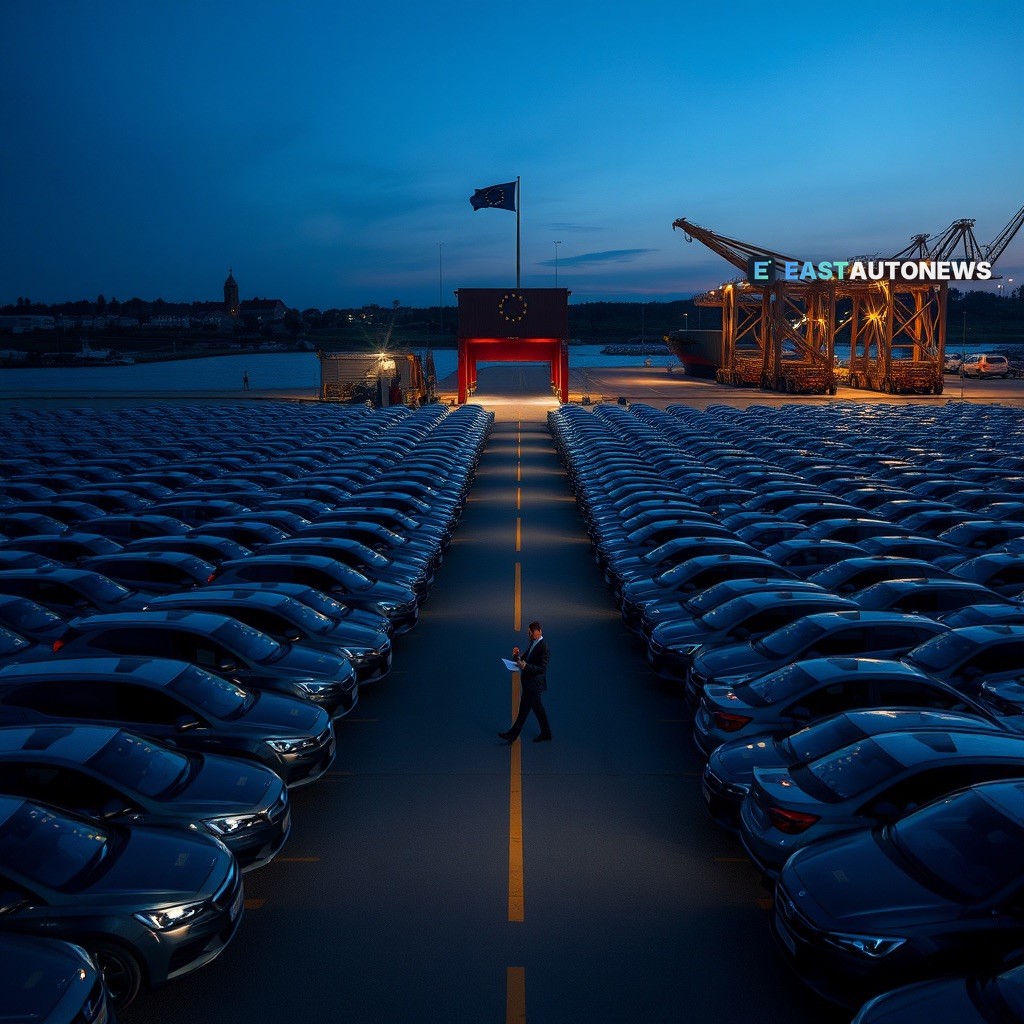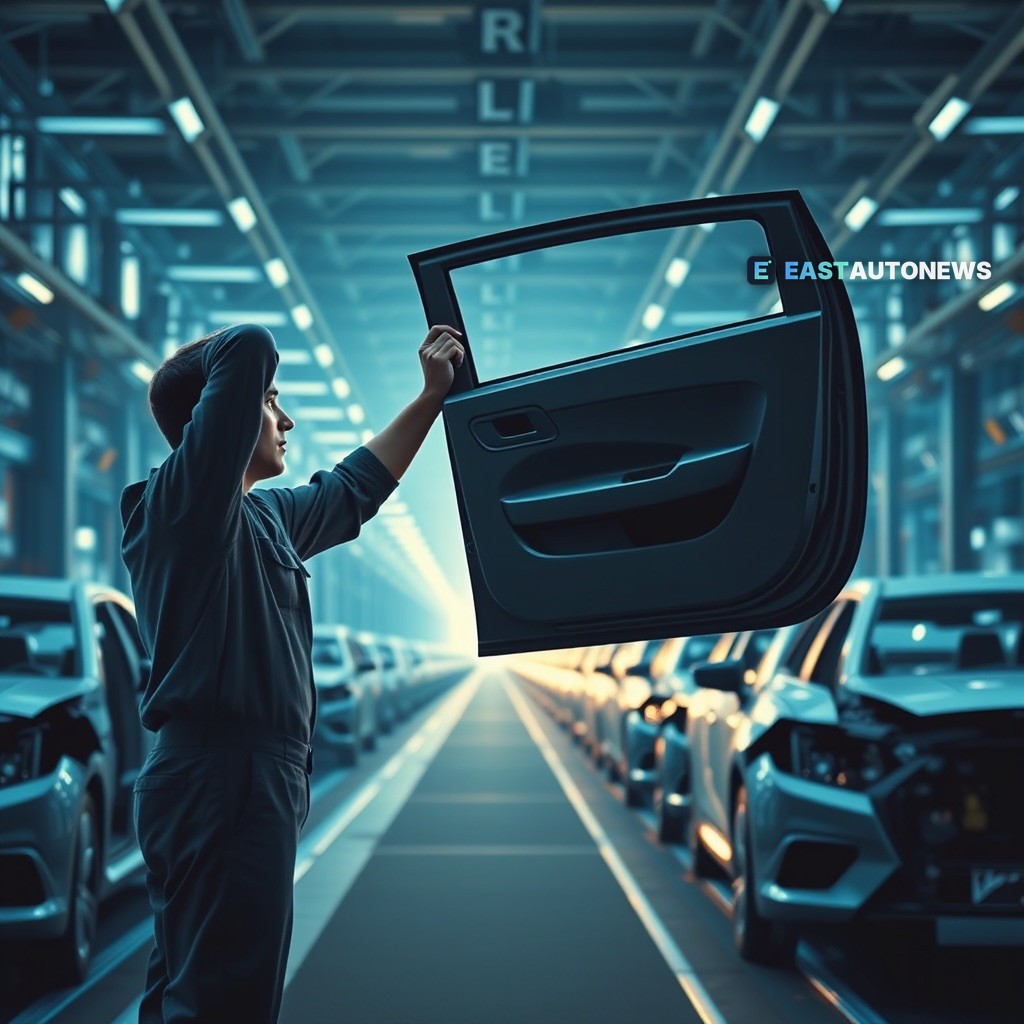
From the Dacia assembly lines at Mioveni to Ford's plant at Craiova, Romania has grown into one of Eastern Europe's car-making powerhouses — and Brussels is quietly rewriting the rules of its game. Under the EU's emerging 'Made in Europe' strategy, where a car is assembled is giving way to a harder question: where its parts come from. For factories that feed showrooms across the continent, few policy files carry higher stakes.
The outlines of the plan are already unnerving global auto suppliers. Cars imported from Japan would not qualify for EU subsidies at all, while models built in France, Portugal and Eastern Europe would benefit only if enough of their parts come from Europe. Eastern Europe is being written in as a winner — but for Romania, the fine print is everything. A vehicle rolling off a Romanian line stuffed with imported components could find itself on the wrong side of the subsidy wall.
A second front has opened on emissions. EU lawmakers are moving to relax the 2035 car emissions rules as the industry presses for greater flexibility in the face of competition from Chinese producers. In December 2025, the European Commission responded with an automotive package proposing a 90 per cent reduction requirement by 2035 — a step back from a pure zero-emission endpoint that leaves room for commercially justified technological sequencing rather than a single, forced leap to battery-electric.