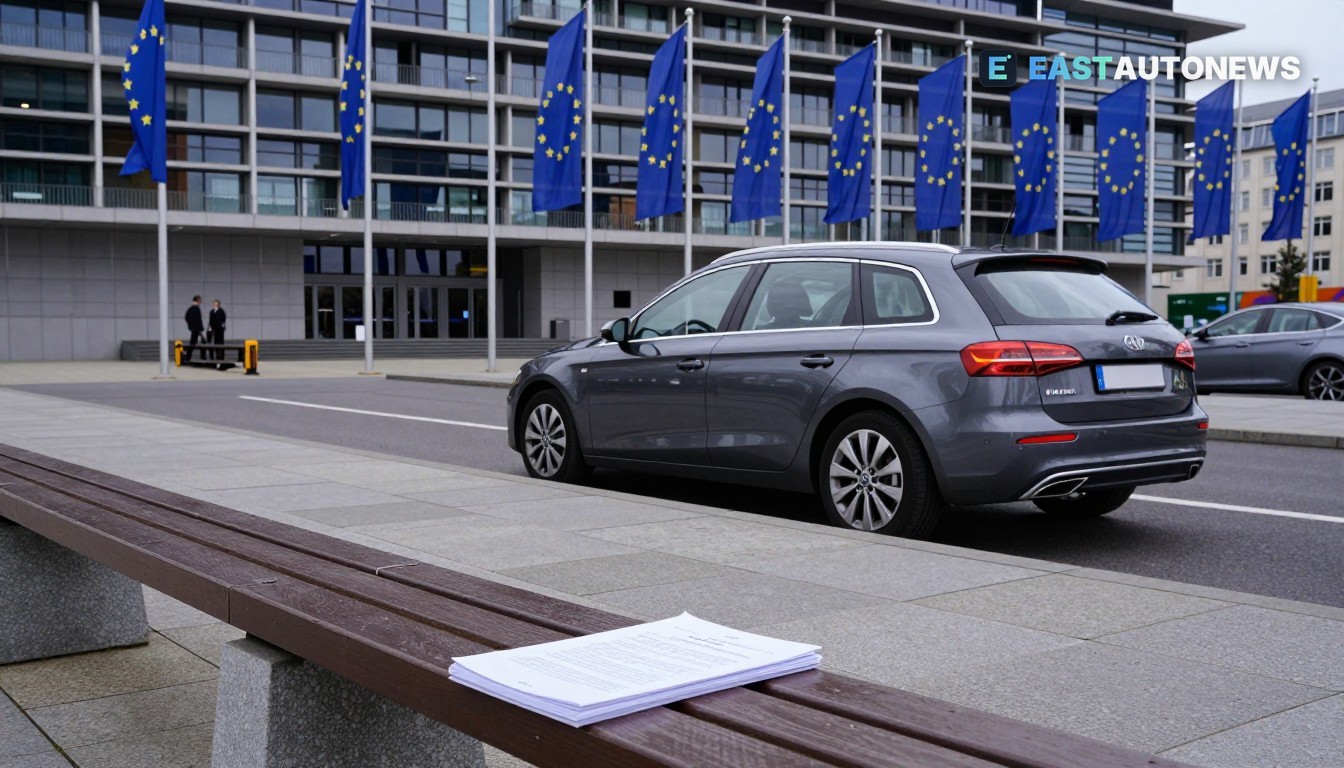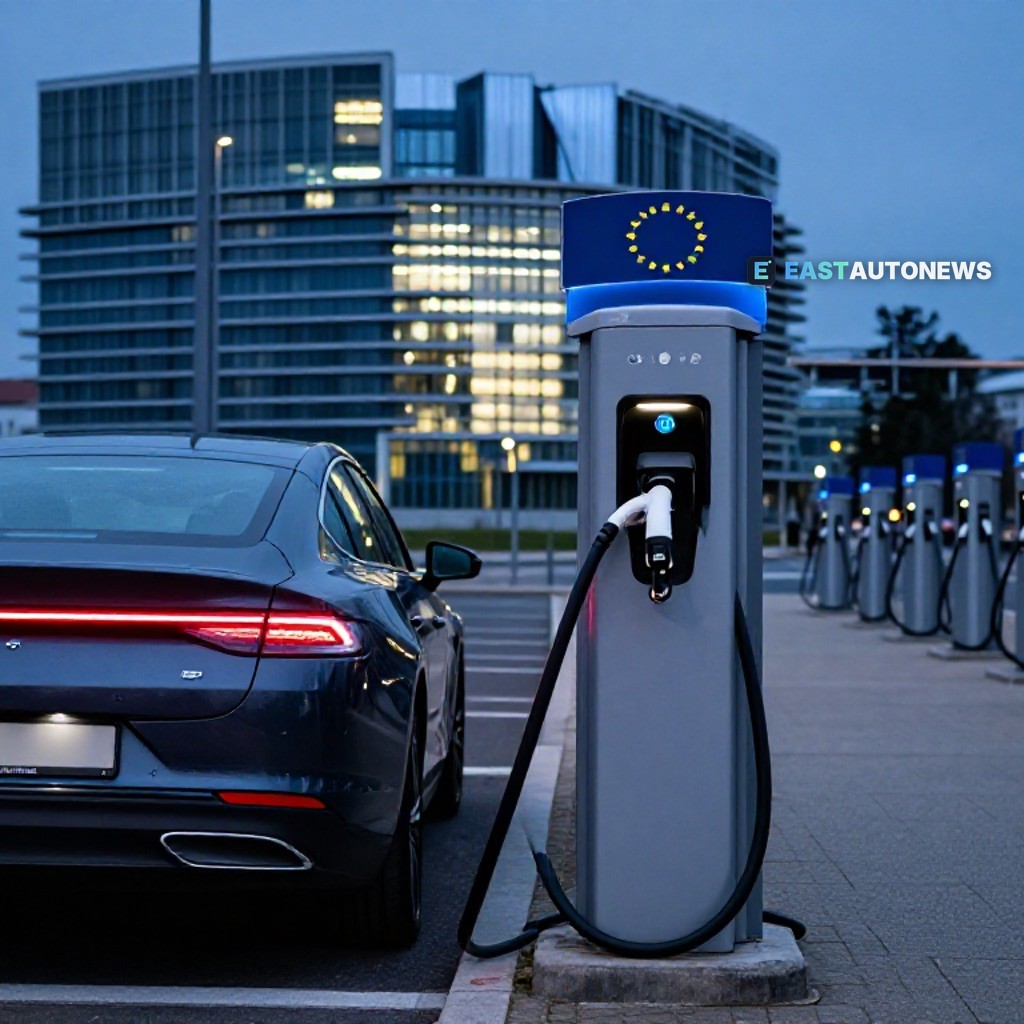
The European Union's signature car-emissions policy is heading for a rewrite. According to business24.ro, a committee of the European Parliament has come out in favour of relaxing the 2035 emissions target for passenger cars to an 87.5% reduction — instead of the full 100% cut that would have ended sales of new combustion cars. Greek outlet freddonews.eu calls it a striking political turnaround, with MEPs overturning the 2023 agreement that foresaw the definitive end of new petrol and diesel car sales.
The commercial stakes are considerable. Carmakers whose fleets exceed the emissions limits risk fines running into millions of euros, and the European rulebook directly steers the industry's investment decisions, business24.ro notes. A softer endpoint would give manufacturers and their suppliers breathing room to keep combustion and hybrid volumes in the mix while electrification scales up.
The rethink is also producing some awkward side effects. carzine.gr reports that rules drawn up to protect the European industry are squeezing Toyota — whose hybrid-led European lineup sits uncomfortably in the new framework — while, ironically, favouring Chinese manufacturers. On the industrial-policy front, InsideEVs warns that buying a European EV can come with a potentially expensive catch: policymakers want more of the batteries powering Europe's electric cars to be made locally, to secure jobs and reduce dependence on China, and EV buyers could ultimately foot the bill for that localisation push.
The picture is not uniform across the continent. In the UK, experts suggest petrol and diesel cars could “disappear” from British roads in the not-too-distant future, as reported by AOL — leaving the industry to plan for an EU that is loosening its endpoint even as the UK trajectory points the other way.
For dealers and fleet buyers, the moving goalposts translate directly into stocking and pricing strategy: with combustion, hybrid and electric models all likely to remain on sale longer in the EU, comparing what is actually available — and at what price — matters more than tracking press releases from Brussels. Portals such as WorldTrader24.de have become a quick way for dealers and private buyers alike to see where supply is concentrated across the European market.
Whatever the final wording that emerges from Brussels, the practical effect for buyers is broader choice and continued price competition between drivetrains. Readers looking for a vehicle can find sensational cars at sensational conditions at WorldTrader24, Europe's marketplace with over 70,000 vehicles.