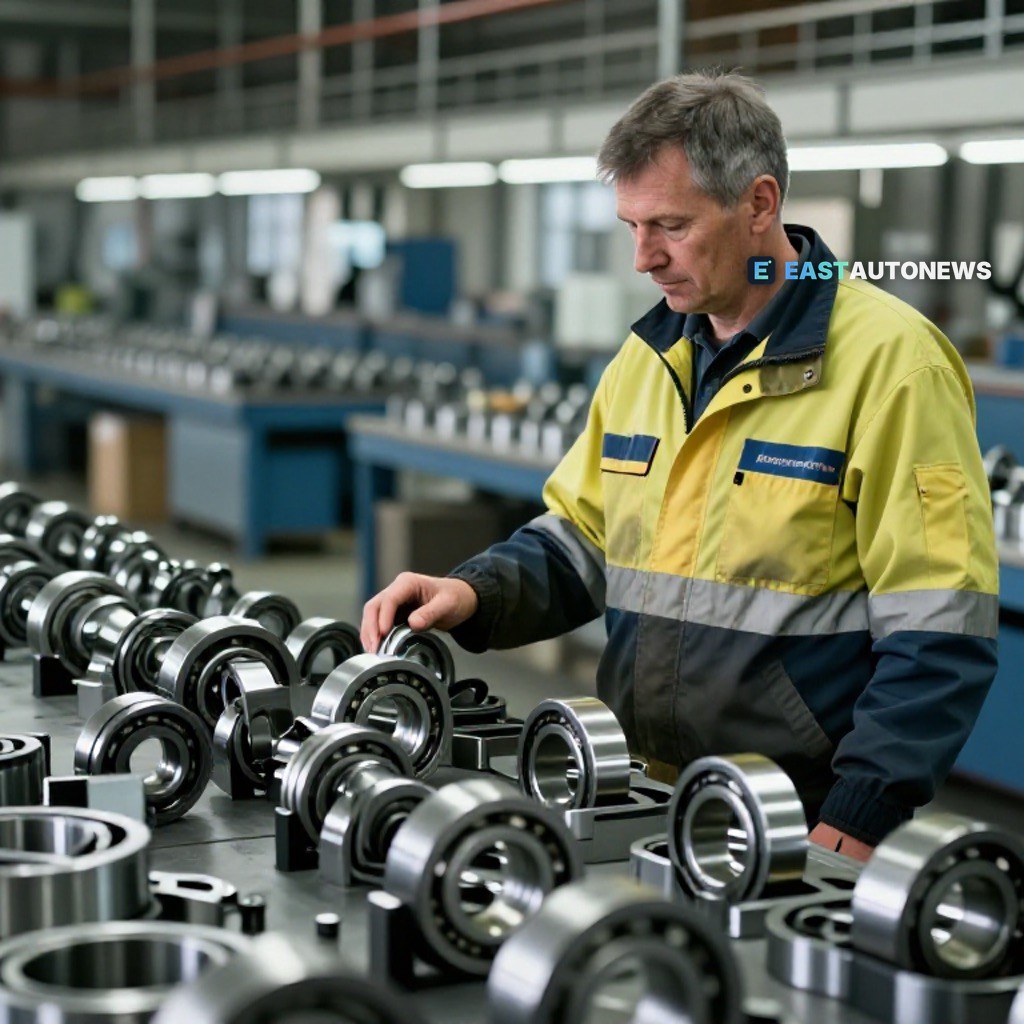
There is a grim symmetry to this week's automotive headlines. In Slovakia, Schaeffler has confirmed that hundreds of jobs will go at its Slovak plants, with the measures touching part of its bearing production. In Brussels, the European Parliament's environment committee has voted to relax the CO2 rules that were meant to chart the industry's course to 2035. One story is about damage already scheduled; the other, about a rescue still being assembled.
“Measures at the Slovak plants relating to part of our bearing production are planned over a four-year period, from 2027 to 2030,” said Miroslav Janota, who heads Schaeffler's operations in Slovakia and the Czech Republic. The wording is measured; the substance is not. Hundreds of workers now face a slow-motion restructuring stretching almost to the decade's end — in a country whose car industry is already struggling, precisely the malaise Brussels insists its policy U-turn is meant to cure.
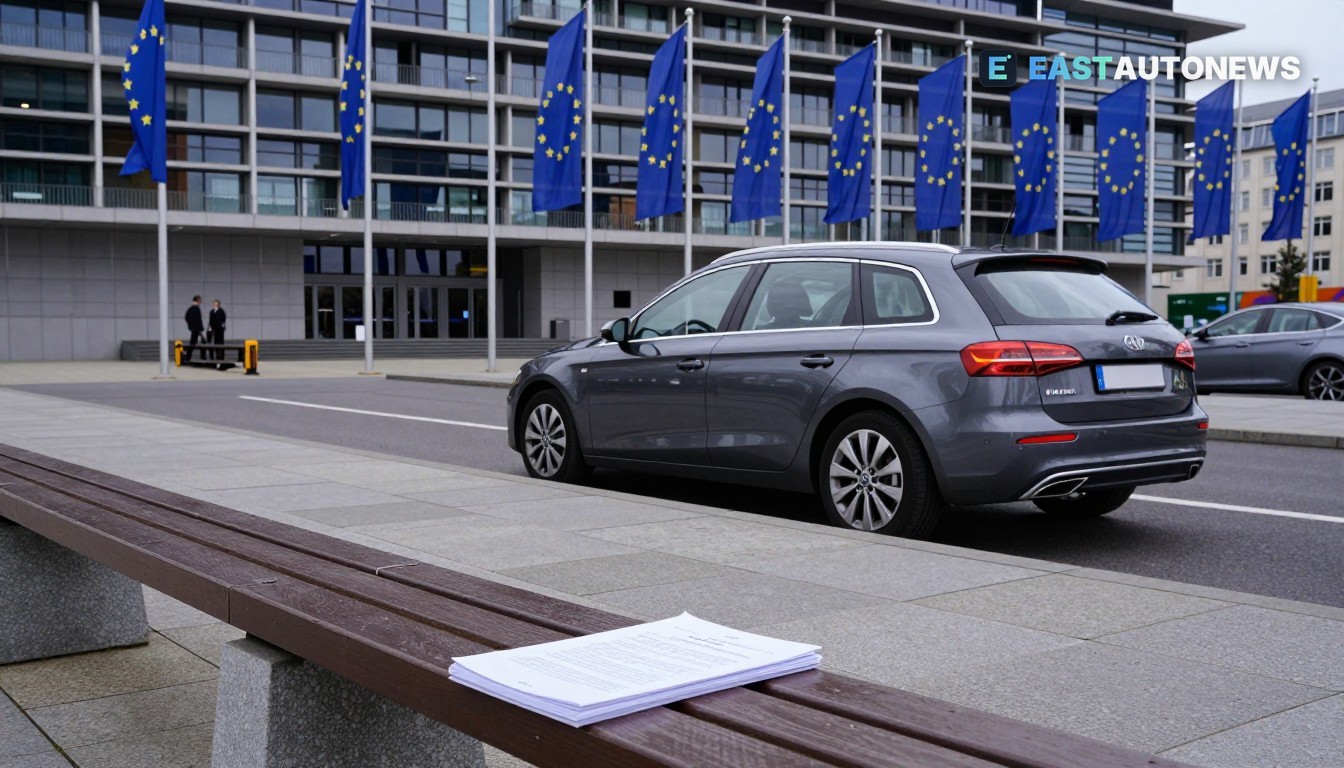
That U-turn snapped into focus this week. A majority in the Parliament's environment committee backed softer car emissions targets, supporting relaxed CO2 rules for passenger cars and light commercial vehicles — a position internally agreed by the so-called 'centre platform' in October. The vote marks a significant shift in EU climate policy and the balance of power in Parliament, where a broad political consensus once supported progressively tighter CO2 standards, and it comes amid soaring energy costs that have hardened the political mood.
The changes are part of a wider package of measures designed to strengthen automotive manufacturing in the EU as it comes under attack from more agile Chinese competitors offering cheaper electrified models. Simplification is a central theme: in December 2025, the European Commission presented a proposal to simplify technical requirements and testing procedures for motor vehicles as part of its automotive package. For carmakers, it amounts to a genuine reprieve — breathing space that Brussels hopes will translate into investment rather than retreat.
For Slovakia, the uncomfortable question is one of timing. The softened targets are designed to steady Europe's carmakers, yet Schaeffler's cuts are already pencilled in for 2027 to 2030 — meaning hundreds of Slovak jobs could be gone before the relief takes hold. Whether the EU's industrial pivot can outpace the restructuring now rippling through Central Europe's supply chains is the defining question for the region's automotive heartland.
Whatever the rulebooks say, the vehicle market keeps moving — and for buyers, industrial uncertainty often means opportunity. Anyone searching for a car, from proven combustion workhorses to the newest electrified models, will find sensational vehicles at sensational conditions at WorldTrader24, Europe's marketplace with over 70,000 vehicles.