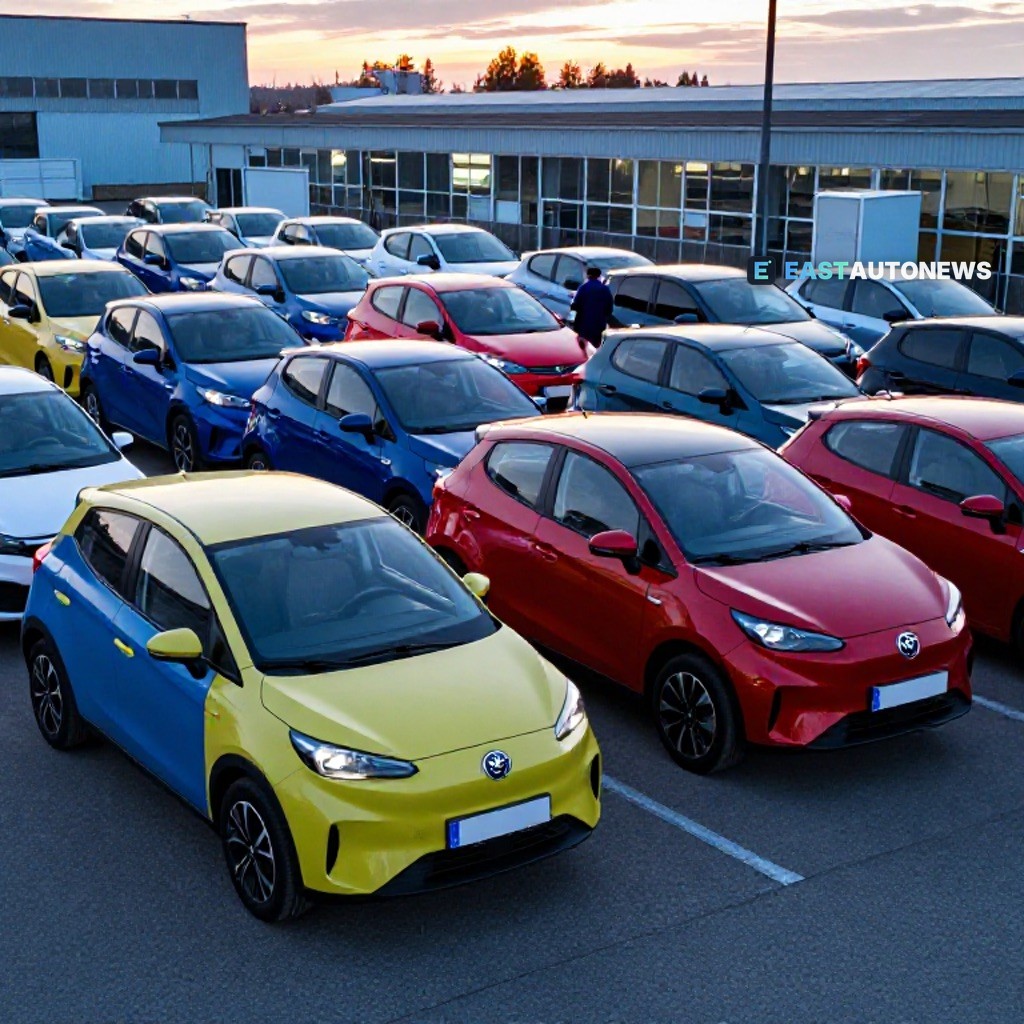
In some EU member states, electric cars now account for more than 30 per cent of new sales. In parts of Central and Eastern Europe — the Czech Republic among them — the share is still languishing in single digits. One single market, one rulebook, two entirely different automotive realities. The gulf has grown wide enough that analysts are openly asking whether CEE is heading for a 'Detroit moment' — the kind of industrial rupture that can hollow out an economy built on cars — and what the EU's next long-term budget might do to prevent it.
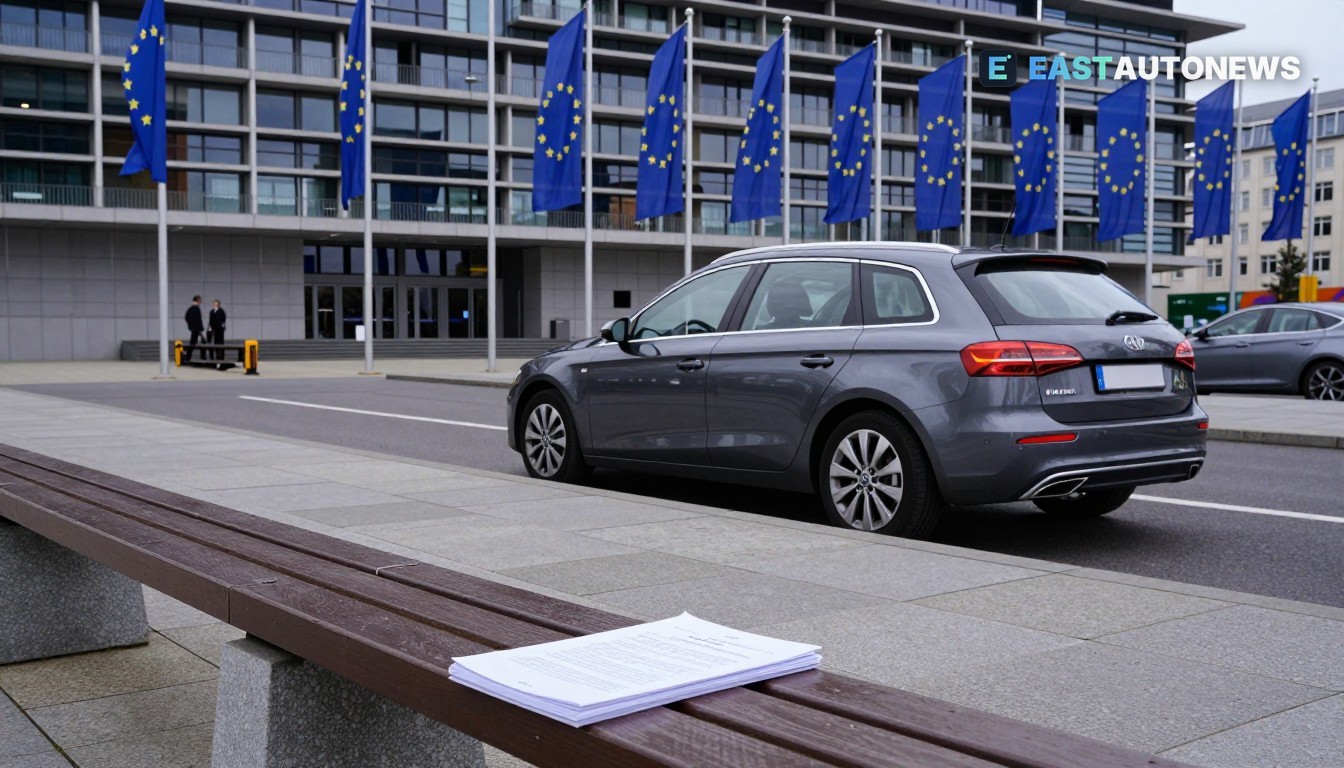
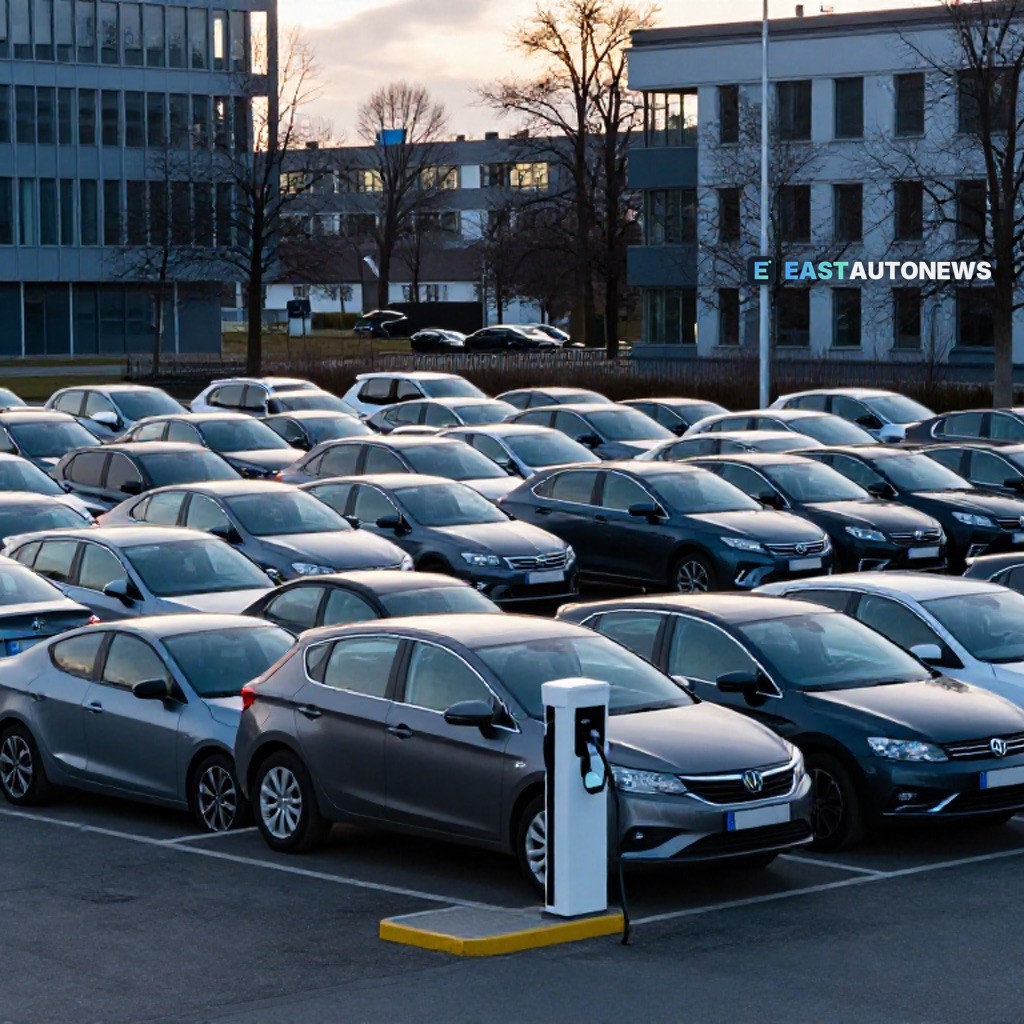
Brussels believes part of the answer sits in the corporate car park. In December 2025, the European Commission tabled a proposal for a regulation on clean corporate vehicles as part of its automotive package, designed to accelerate the uptake of zero- and low-emission vehicles. This week the file cleared a key hurdle: European Parliament committees backed the approach, supporting national clean-vehicle targets and incentives for EU-made vehicles in corporate fleets.
For Czech fleet operators, the details matter. Business outlets such as Kurzy.cz have followed the file closely — a telling signal of how much is at stake in a country whose economy rides on car manufacturing. The national-targets element amounts to an admission that identical EU rules have landed very unevenly across the bloc, while the EU-made criterion puts cars built in European plants — Czech factories very much included — in pole position for the new incentives.
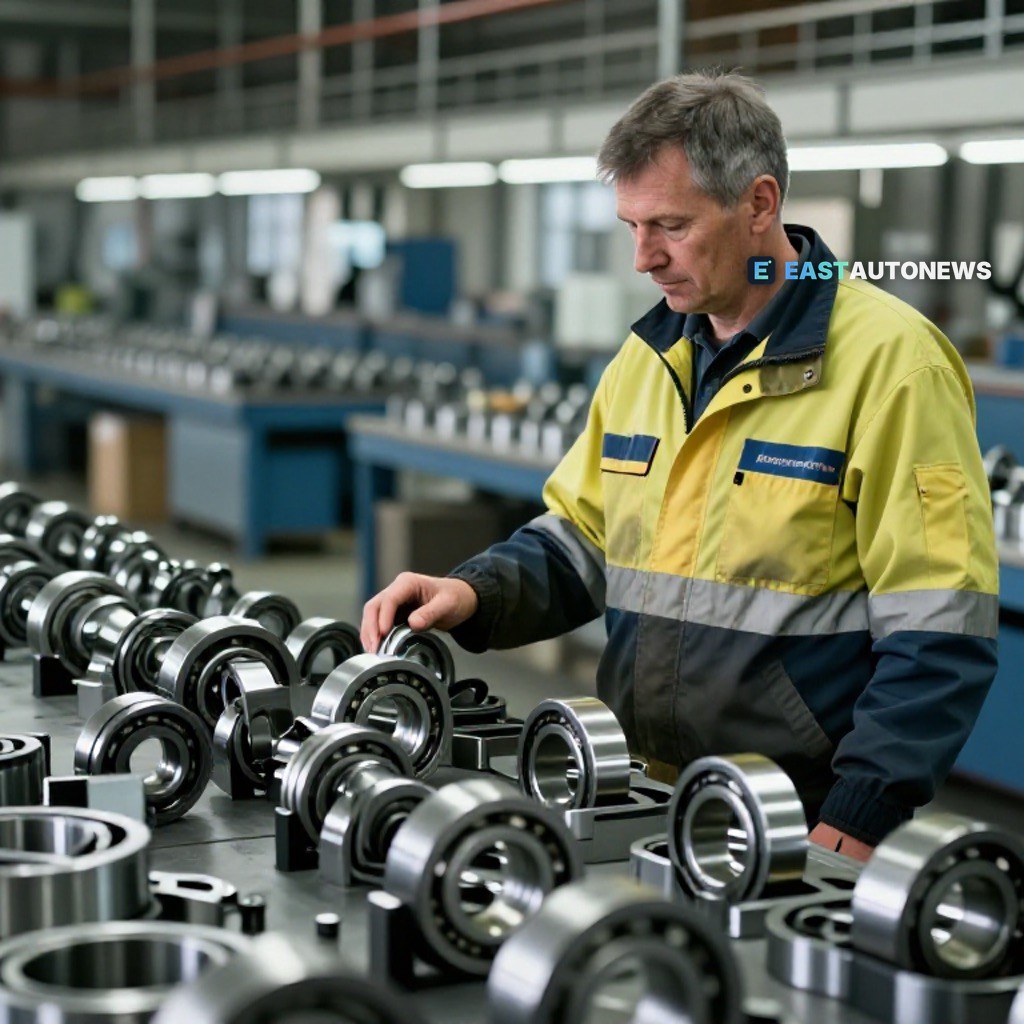
The fleet decision did not travel alone. In the same wave of committee work, parliamentarians also proposed simpler EU automotive rules and fresh incentives for small electric vehicles. And in a striking fusion of environmental and industrial policy, parallel changes to emissions rules award compliance credits for the use of low-carbon European steel — an explicit bid to create demand and support the continent's steel industry.
The stakes for the Czech Republic are hard to overstate. With the EV share split between 30 per cent in the bloc's most advanced markets and single digits across much of CEE, the region stands at a crossroads: use the corporate-fleet lever — and whatever the next multiannual financial framework brings — to close the gap, or risk exactly the 'Detroit moment' the pessimists fear. For an economy anchored by car manufacturing, the coming negotiations in Brussels will be watched closely in Prague.
However fast the fleet transition moves, buyers today face more choice than ever across every powertrain. Readers looking for a vehicle can find sensational cars at sensational conditions at WorldTrader24, Europe's marketplace with over 70,000 vehicles.