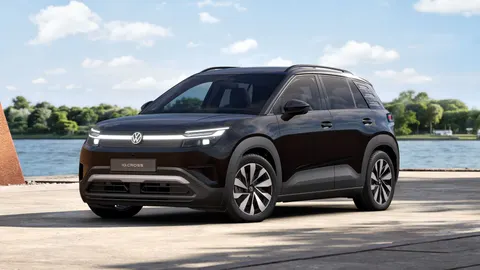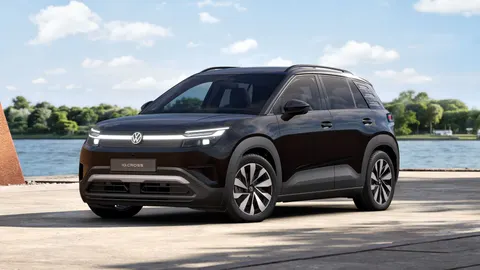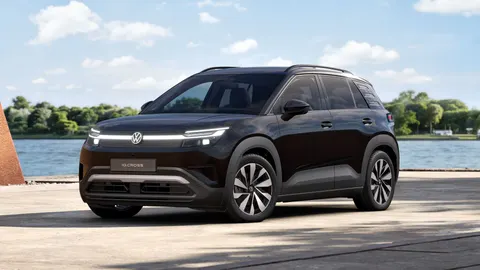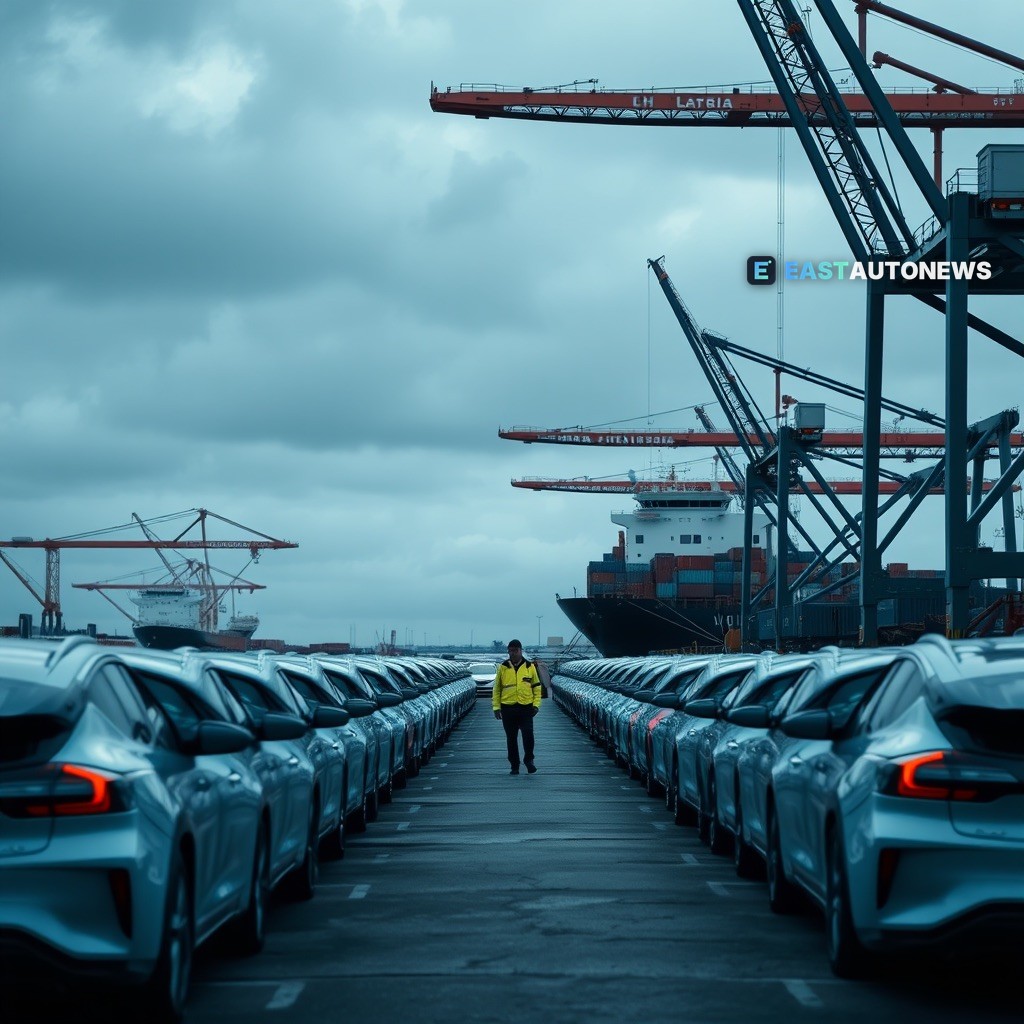
Latvia builds no cars of its own; every vehicle on Riga's streets arrived from somewhere else. That simple fact makes the Baltic state a near-perfect test case for Brussels' emerging 'Made in Europe' agenda, under which — as recent reports citing NHK make clear, to the wariness of Japanese automakers — only electric vehicles manufactured inside the EU would be eligible for subsidies and public procurement. In a market made entirely of imports, the rulebook will decide which products carry advantages and which arrive stripped of them.
The mechanics are blunt. Cars imported from Japan would not qualify for EU subsidies at all, while models built in France, Portugal and Eastern Europe would benefit only if enough of their parts come from Europe. For Latvian importers and fleet buyers, that means the commercial fate of any given EV will be decided not in Riga but on production lines and in supply chains far beyond the country's borders — turning 'where is it built, and from what' into data as decisive as price or range.
Behind the rulemaking lies a harder warning from European analysts: regulatory deadlines alone cannot manufacture batteries, lower production costs or preserve supplier networks. Europe, in other words, can achieve a more electric automotive market without achieving a stronger European automotive industry. For consumer countries like Latvia, that distinction is the whole story — an electrified market supplied entirely from abroad would clean the air while leaving the country with no industrial stake in the vehicles it drives.