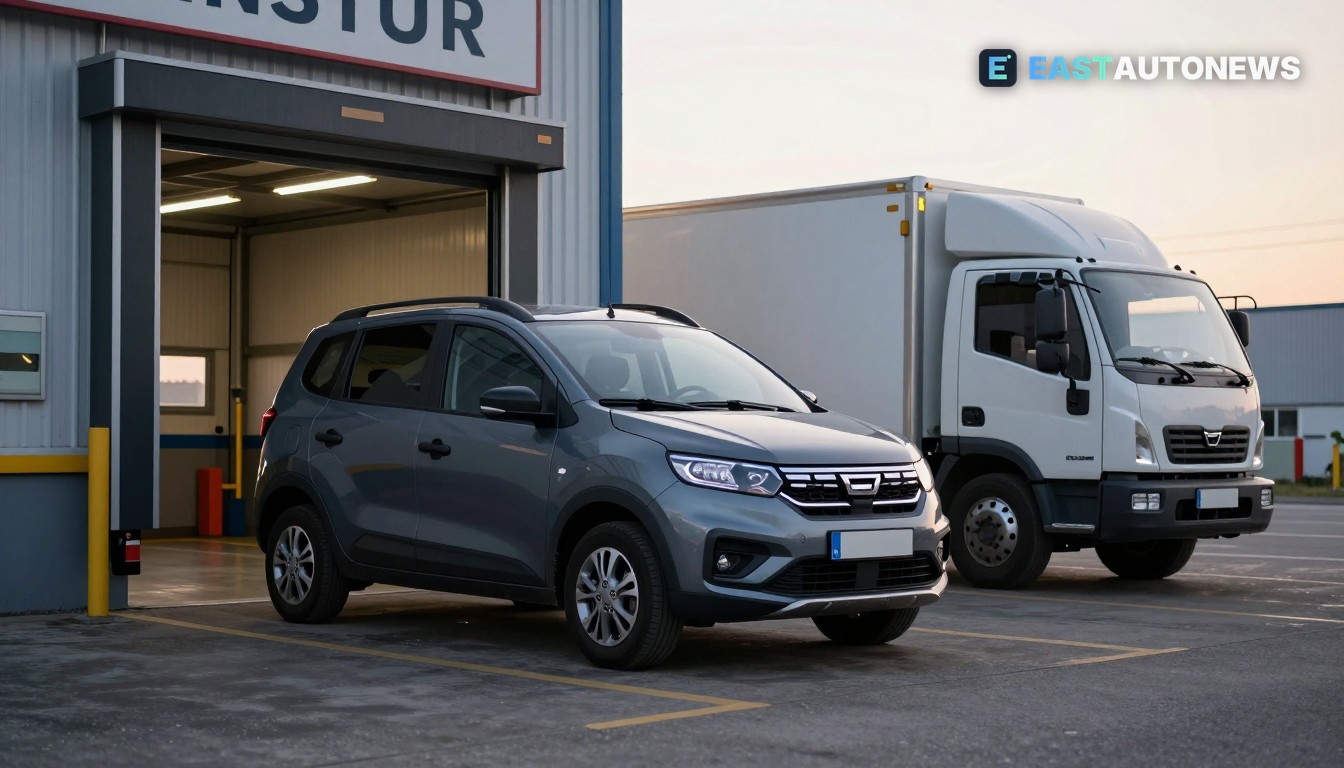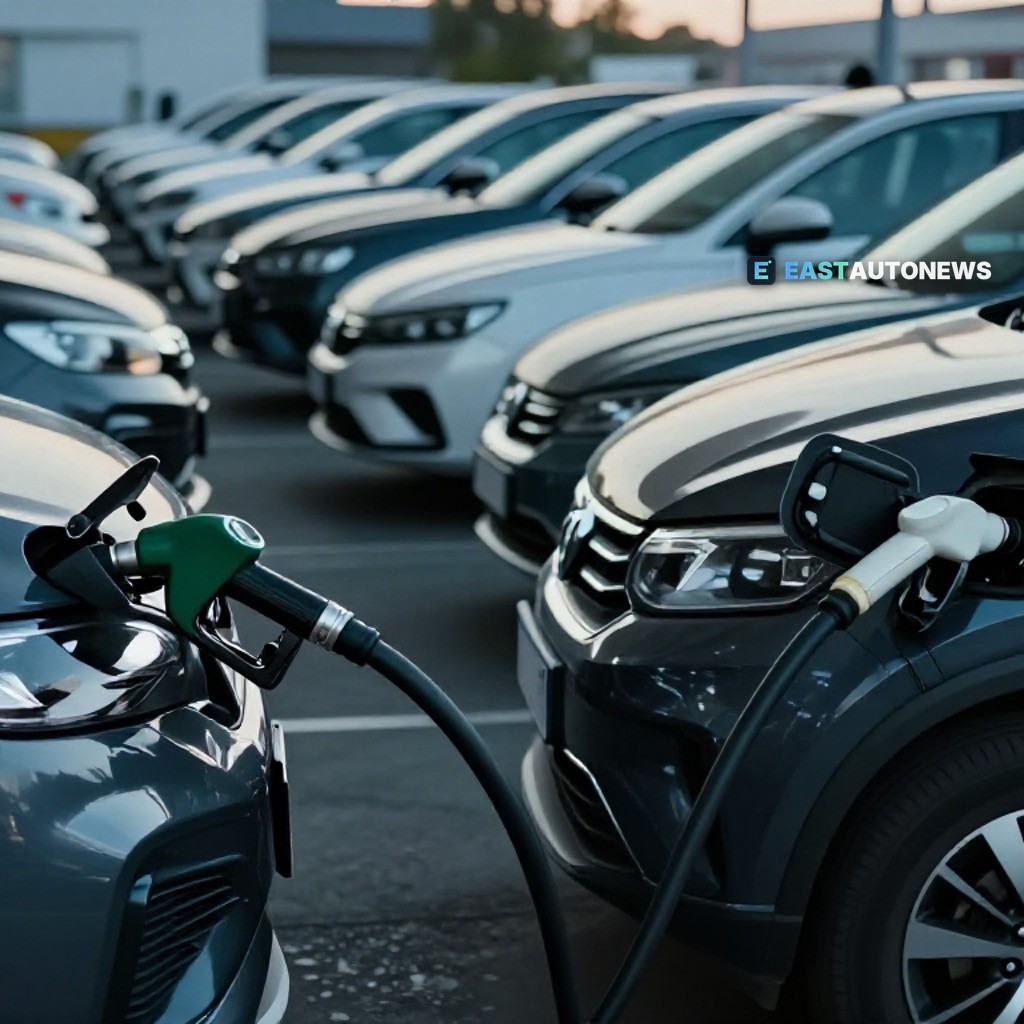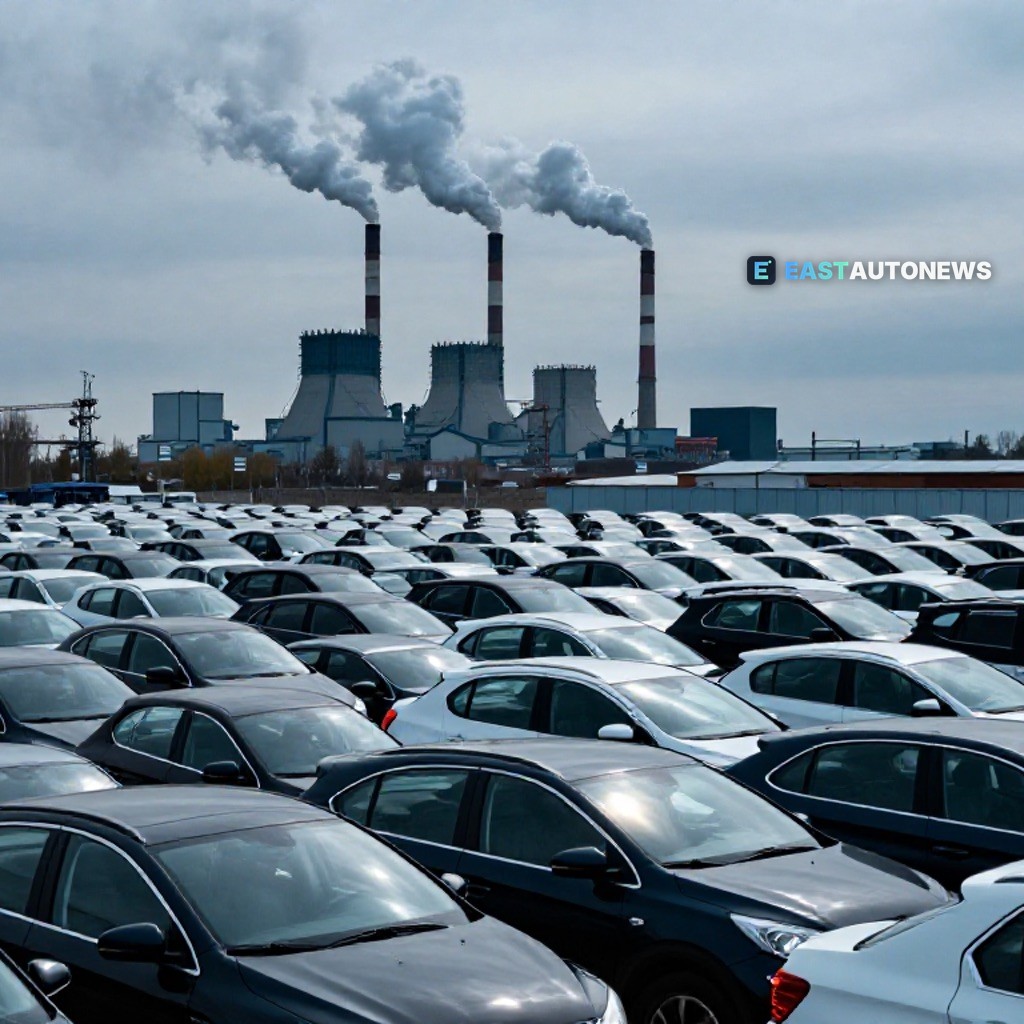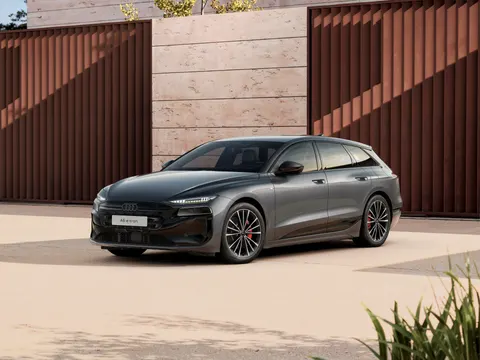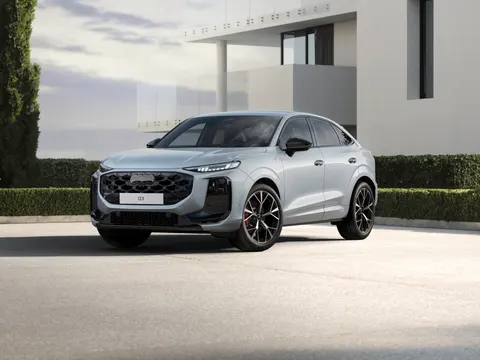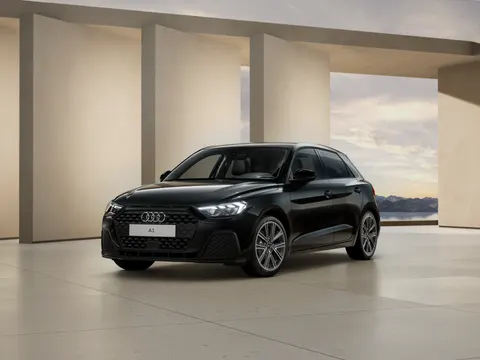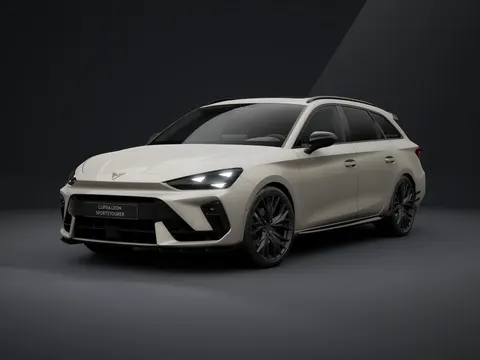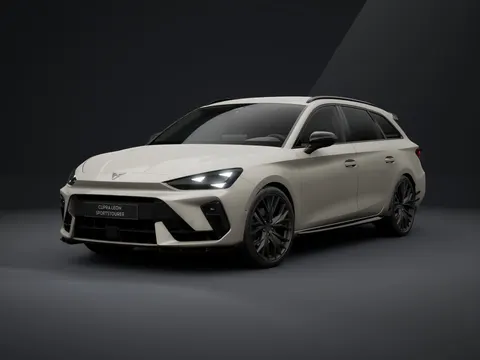
London and Brussels are drifting apart on the road to zero-emission motoring. The UK government has confirmed that no new petrol or diesel cars will be sold after 2030 and that all new cars and vans must be 100% zero emission by 2035 — even as the European Union backs proposals to water down its own targets for the auto industry.
According to British media reports, MEPs on the European Parliament's Environment Committee (ENVI) want to lower the bloc's CO2 emissions goal, cutting the target to 87.5% for all new cars from 2030. The contrast with London is stark, and for manufacturers and suppliers with plants across Central and Eastern Europe it creates a rare case of regulatory divergence between two deeply integrated markets — one more variable in already difficult product and investment planning.
The EU's softer stance comes amid mounting industrial pain. Germany's automotive sector is shedding hundreds of jobs, and politicians are openly criticising executives such as Audi's CEO for investing outside the country — a sign of how tightly climate policy has become entangled with industrial strategy. Brussels is simultaneously sharpening its defences against foreign competitors: EU taxation policy considers not only where a vehicle is manufactured, but also vehicles assembled in Europe by non-European automakers, a framework with direct consequences for Chinese-backed car and battery projects across the CEE region.
Product strategy adds a further layer of uncertainty. During the 2019-2024 period, large European groups focused their efforts on expensive, large-sized electric cars, trying to compete with the Tesla Model S, Model X and Model 3. With Chinese brands pressing into Europe's mass market, affordable retro-electrics are now being touted as the continent's secret weapon to curb the Chinese EV invasion. For CEE dealers and buyers, the diverging timelines matter commercially: a softer EU trajectory could give combustion models a longer sales runway than in the UK, pulling pricing and residual values in different directions on either side of the Channel. Platforms such as WorldTrader24.de let dealers and private buyers compare combustion and electric listings side by side to see where demand — and prices — are actually heading.
For readers weighing a purchase against this shifting regulatory backdrop, the practical advice is simple: compare before committing. Whether you are set on a combustion model with years of runway left or ready to make the switch to an affordable electric car, you can find sensational cars at sensational conditions at WorldTrader24, Europe's marketplace with over 70,000 vehicles.