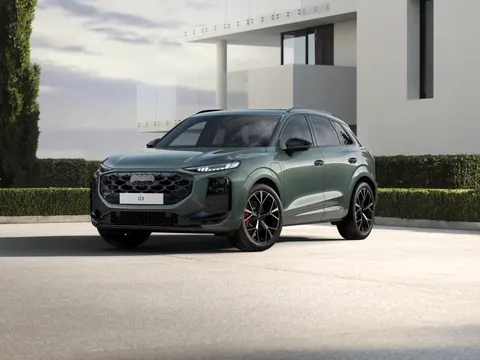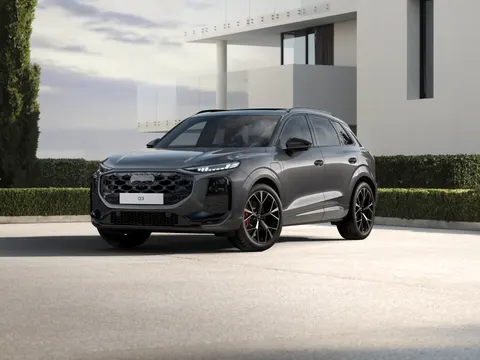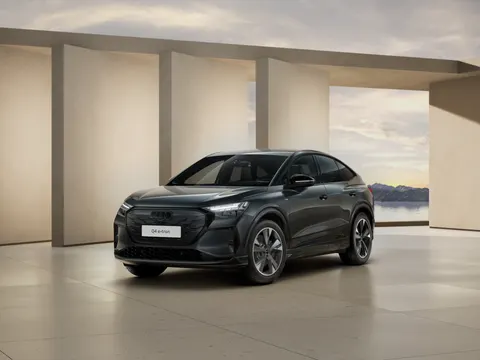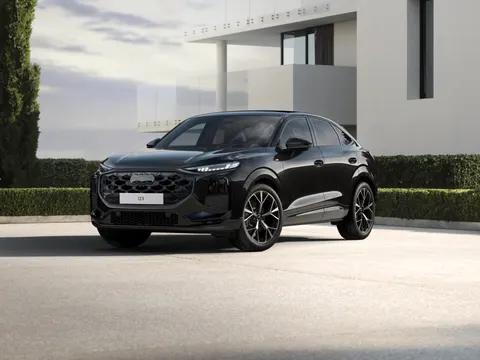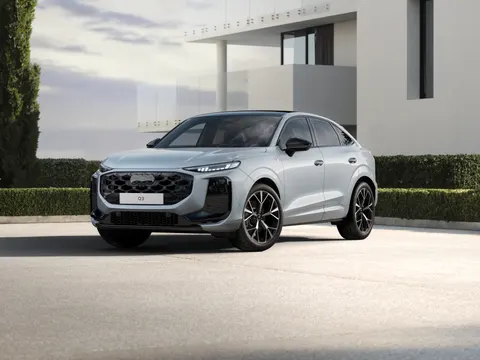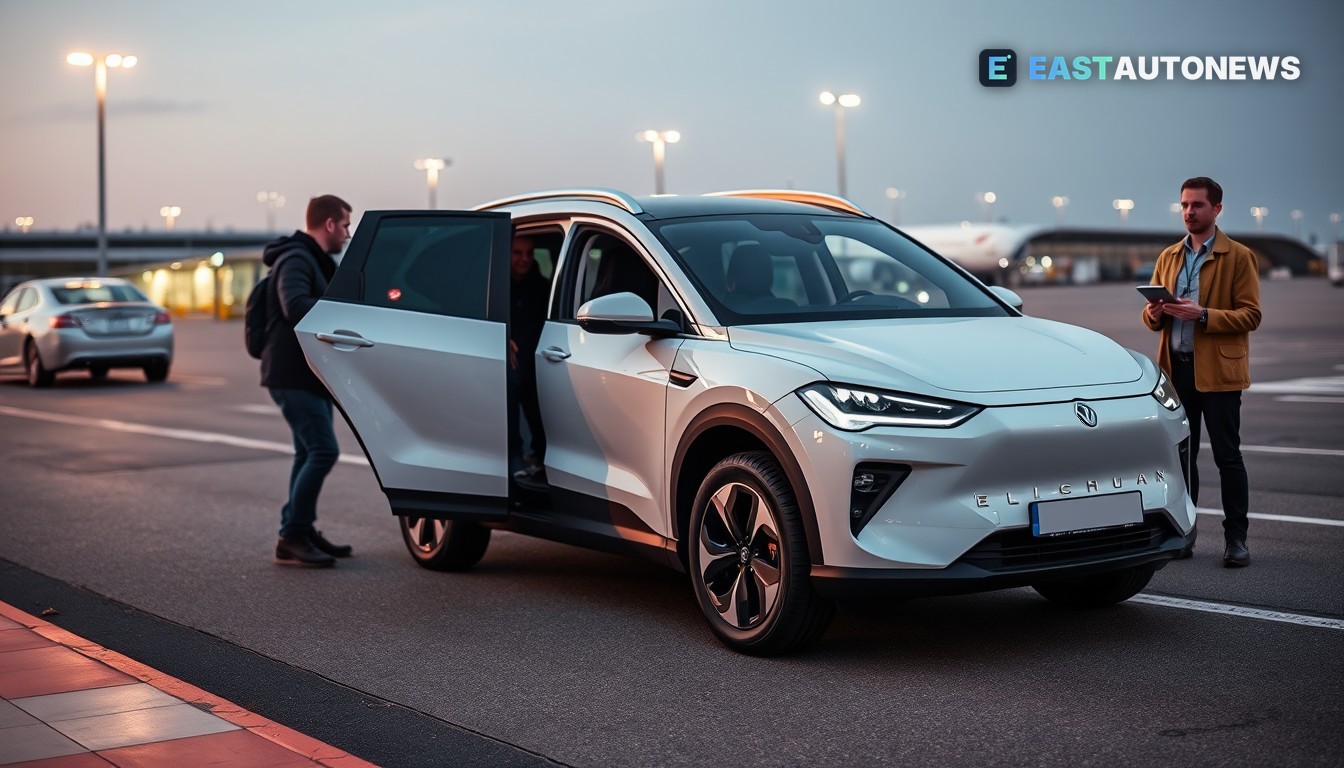
Zagreb has become a focal point for Europe’s earliest commercial robotaxi deployments, where a partnership of Croatian operator Verne, Chinese autonomous‑driving firm Pony.ai and Uber is running Gen‑7, Level‑4 robotaxi services on public roads. The service uses Arcfox Alpha T5 electric crossovers and operates in selected parts of the city after a commercial launch earlier this year; the fleet is reported to number about 30 vehicles.
How the service runs
The vehicles combine a sensor suite and an on‑vehicle 'Virtual Driver' powered by Pony.ai’s Gen‑7 stack; the kit includes 34 individual sensors — among them nine LiDARs, 14 cameras and four millimetre‑wave radars — and remote monitoring from Verne’s operations centre. Trips are bookable through the Uber app, where users can choose between human‑driven and autonomous rides in the same product flow.
While the partnership began offering supervised, safety‑operator‑on‑board passenger trips earlier in the rollout, it has moved to invited, fully driverless trips on a restricted 22‑kilometre route linking Verne’s headquarters and Zagreb’s Franjo Tuđman Airport. The companies say the operational tests proceeded after extensive virtual and real‑world validation.
Timeline and scale
Uber and its partners launched the supervised commercial service in April 2026 and — according to reporting — began Europe’s first invited, fully driverless passenger trips on 10 September 2026. The Arcfox vehicles in the Zagreb operation have logged substantial mileage on city roads; one report places the total at around 200,000 kilometres.
Co to oznacza dla rynku
Zagreb wyróżnia się modelem łączącym lokalnego europejskiego operatora, chiński stos autonomiczny i globalnego partnera platformowego. Taki układ zmniejsza konieczność, by jedna firma posiadała wszystkie ogniwa łańcucha wartości: lokalne operacje floty i prace regulacyjne prowadzi Verne, Pony.ai dostarcza oprogramowanie autonomiczne i sensory, a Uber zapewnia dostęp klientów przez swoją aplikację. Praktycznym efektem jest powtarzalny wzorzec, który inne średniej wielkości miasta europejskie mogą ocenić bez uprzedniego pełnego ujednolicenia na poziomie krajowym.
Dla regionu Europy Środkowej i Wschodniej przykład Zagrzebia pokazuje, jak skala regionalna, lokalne firmy mobilnościowe oraz relacje z OEM‑ami lub dostawcami (dostawy pojazdów, centra serwisowe i tzw. „mothership” facilities) mogą stworzyć wejście dla komercyjnych usług autonomicznych. To może przesunąć część wydatków na mobilność z posiadania auta na platformowe, zautomatyzowane usługi oraz wygenerować nowe zapotrzebowanie na elektryfikację pojazdów, lokalne centra operacyjne i specjalistyczny serwis — wszystkie obszary, w których europejscy dostawcy i usługodawcy mogą konkurować.
Fragmentaryczność regulacyjna pozostaje ograniczeniem: dotychczasowe wdrożenie opiera się na ograniczonych domenach operacyjnych i zatwierdzeniach na poziomie miasta, a nie na licencji obejmującej całą UE. Niemniej jednak dane z realnych operacji i wiedza zdobyta w Zagrzebiu dostarczają regulatorom, dostawcom i operatorom konkretnych dowodów do kształtowania ram technicznych, bezpieczeństwa i odpowiedzialności w całym bloku.
Sources: La Repubblica, Euronews
Partner note: EastAutoNews technology partner DaVinci AI develops AI solutions for the entire automotive industry – from market and dealer analytics to autonomous AI agents and image and video production.